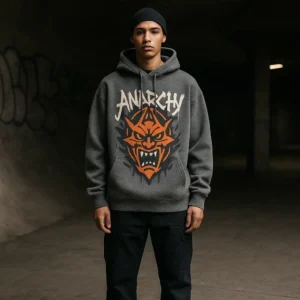
Tracksuits are versatile essentials—used in sports, athleisure, teamwear, and fashion streetwear. Choosing the right custom tracksuit manufacturer is not just about cost. It’s about ensuring consistency between tops and bottoms, fabric performance, decoration durability, and on-time deliveries.
Why Tracksuit Manufacturing Requires Specialists
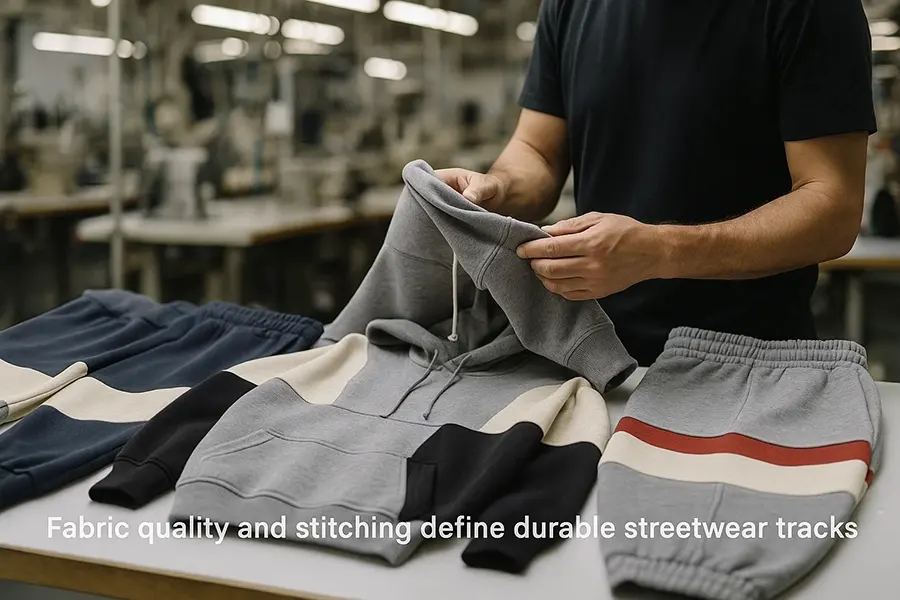
Unlike single-piece garments, tracksuits demand set-level consistency. Both top and bottom must align in GSM, color shade, and stitching quality. General factories may supply uneven dye batches or mismatched trims, undermining brand credibility. A specialist custom tracksuit manufacturer ensures uniformity across sets, scalable production, and structured QC.
The Six-Factor Matrix for Choosing a Tracksuit Factory
When sourcing tracksuits, evaluate factories against six dimensions. These criteria help you safeguard product quality while achieving competitive pricing and scalability.
MOQ & Tiered Pricing
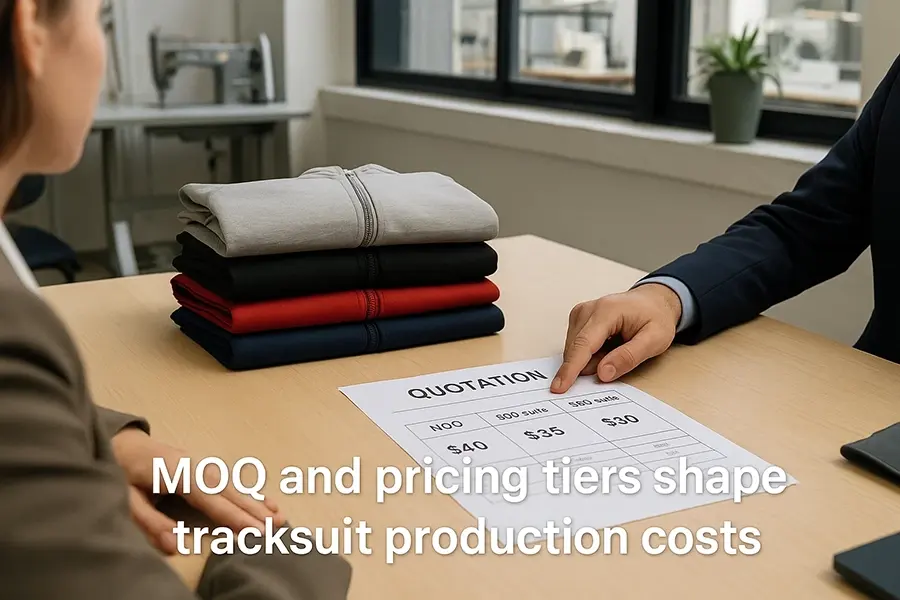
Factories usually offer MOQs of 100–200 sets for startups, with tiered pricing at 300–500+. Confirm whether MOQ is calculated per set or per style. Ask if you can mix sizes and colorways within one bulk order.
Fabric & GSM Consistency (Top & Bottom)
Fabric consistency is vital. Common options:
- Cotton fleece (300–360gsm): soft, breathable, ideal for retail.
- Polyester blends (240–320gsm): durable, wrinkle-resistant, cost-effective.
- Performance fabrics: moisture-wicking, stretch, quick-dry for activewear.
Always confirm that both jacket and pants come from the same fabric batch. If building a lifestyle range, align sourcing with custom tracksuits to ensure cohesive styling across your line.
Decoration Options (Screen, DTG, Embroidery, Panels)
- Screen printing: affordable, ideal for logos.
- DTG: for small-batch creative runs.
- Embroidery: premium finish for team or brand logos.
- Contrast panels & taping: popular in fashion tracksuits.
Check post-wash durability and confirm decoration methods won’t distort across set components. Some brands integrate tracksuits with custom hoodies to expand product appeal while maintaining visual consistency.
Lead Times & Bulk Scaling
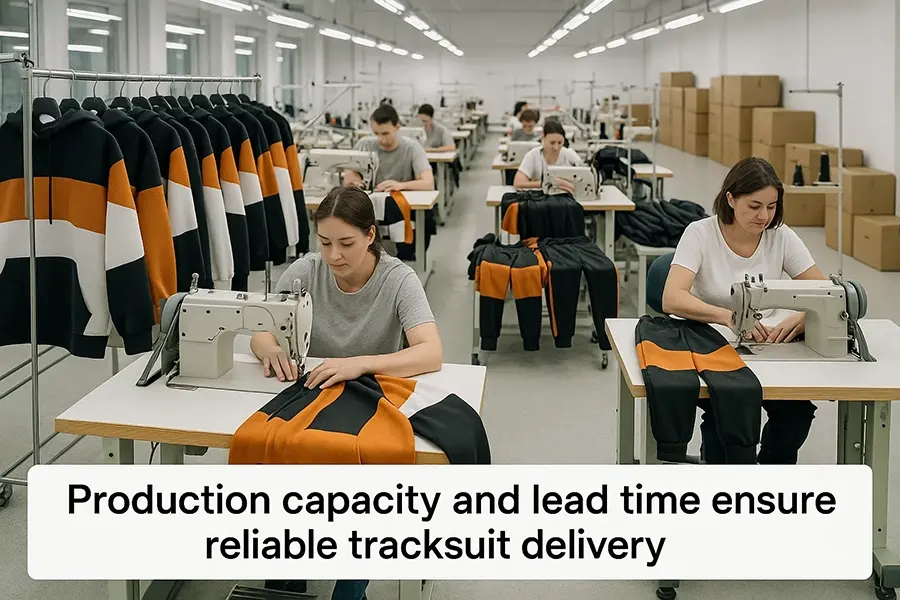
Standard timeline: 7–10 days for samples, 30–40 days for bulk. Sets take longer than single garments due to fabric matching. Confirm scalability if ordering multiple styles in one season.
QC for Sets (Shrinkage, Color Match, Seams)
QC for tracksuits must cover:
- Shrinkage tests ≤5%
- Shade consistency between tops and bottoms
- Seam strength and SPI uniformity
- Ribbing elasticity for cuffs and waistbands
Inline inspections should check both components of the set simultaneously.
Compliance & Certifications
Factories with ISO9001 and BSCI prove process reliability. OEKO-TEX and GRS fabrics are increasingly demanded by buyers prioritizing sustainability.
From Sampling to Bulk: A Buyer’s Timeline
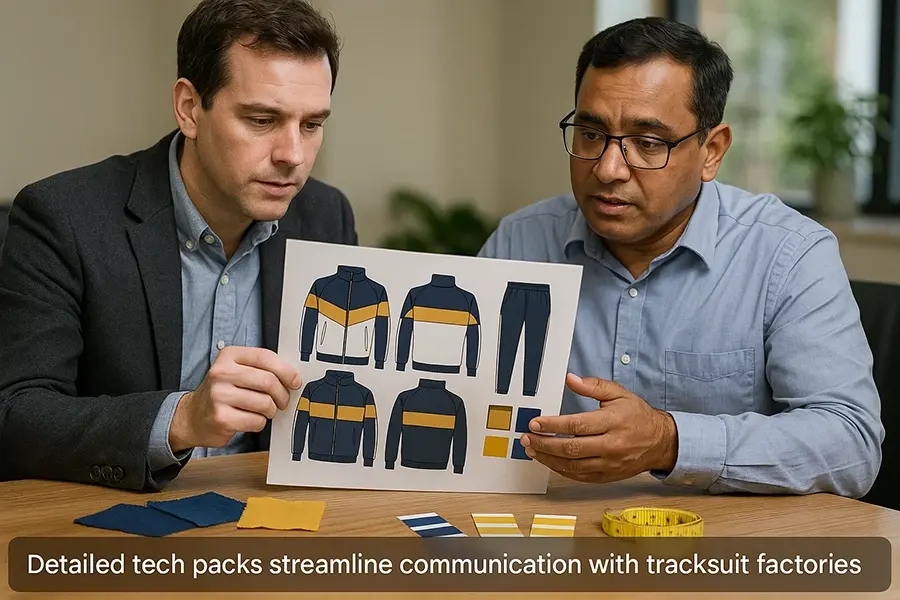
- Week 0–1: Tech pack, BOM, and fabric sourcing
- Week 1–2: Sample development and testing
- Week 2–3: PPS approval
- Week 4–6: Bulk production with inline QC
- Week 6+: Final inspection and shipment
Common Pitfalls in Tracksuit Production
- Top and bottom from different dye lots, leading to shade mismatches
- Overlooking shrinkage, causing fit differences
- Choosing unsuitable decoration methods for stretch fabrics
- Underestimating longer lead times for set production
Scenario Playbook: Startup vs Scaling Brand
Startup: Order 100–200 sets, focus on cotton blends or fleece, and test with 1–2 colorways. Stick to screen print or embroidery for durability.
Scaling brand: Secure fabrics early, expand decoration options (contrast panels, taping), and implement inline QC across multiple SKUs.
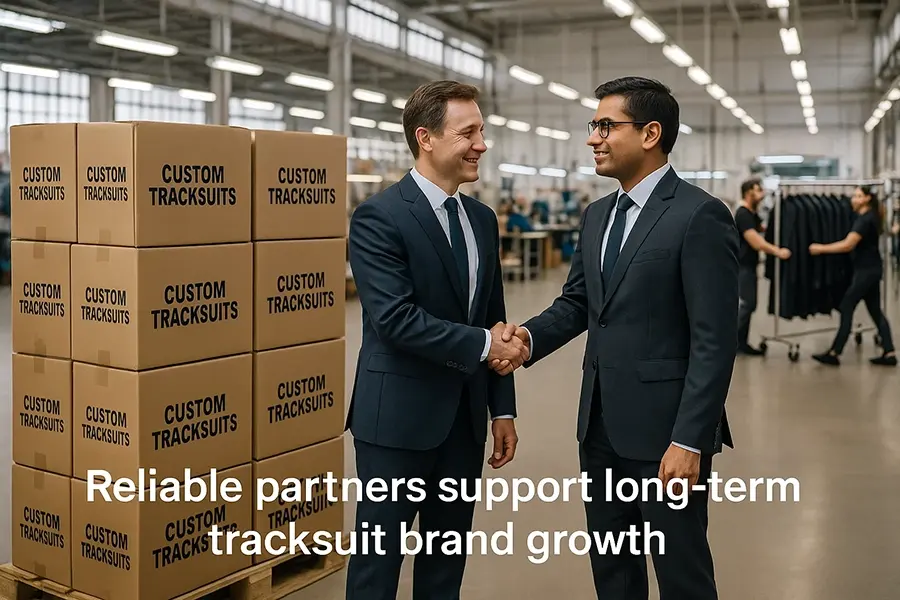
Partnering with the right tracksuit factory ensures consistency, quality, and growth. Explore Mingxing Clothing for end-to-end manufacturing solutions.
Ready to launch your tracksuit line? Contact us today to request samples, compare MOQ tiers, and align production with your launch goals.
FAQs