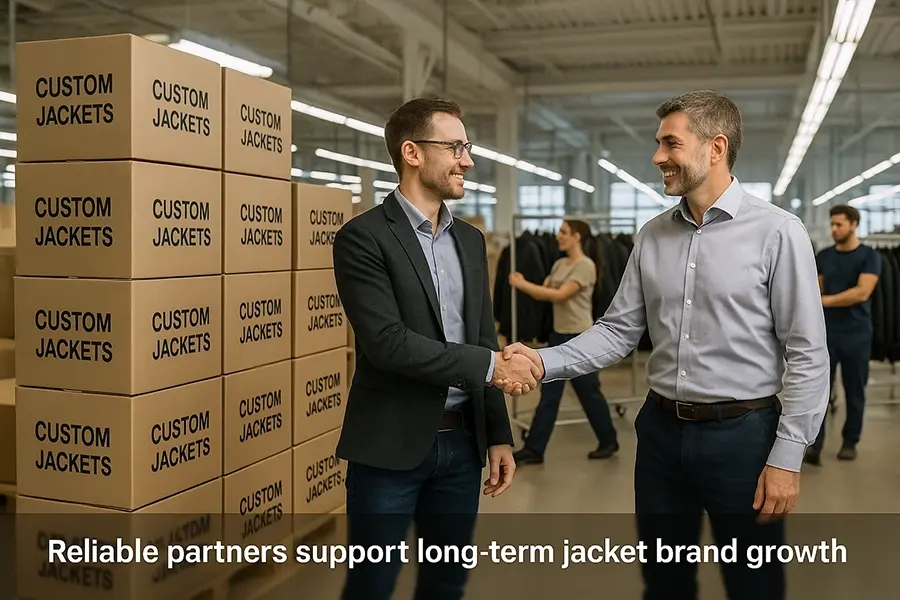
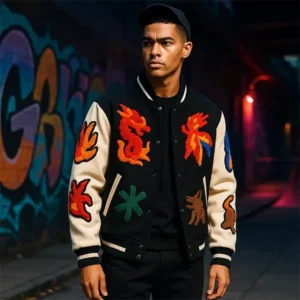
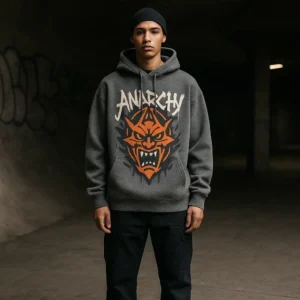
Jackets play a central role in fashion lines—from streetwear bombers to workwear uniforms and technical outerwear. Choosing the right custom jacket manufacturer is about much more than style. The right partner ensures fabric reliability, functional details, consistent QC, and on-time deliveries.
Why Jacket Manufacturing Requires Specialists
Jackets are technically demanding: zippers, lining, quilting, and functional treatments (like waterproofing or wind resistance) all increase complexity. A general apparel factory may struggle to balance design detail with production efficiency. By contrast, a specialist ensures performance testing, reliable sourcing, and consistent workmanship—essential for building consumer trust.
The Six-Factor Matrix for Choosing a Jacket Factory
When evaluating jacket manufacturers, buyers must weigh six critical dimensions. These factors determine not only cost but also long-term scalability and product consistency.
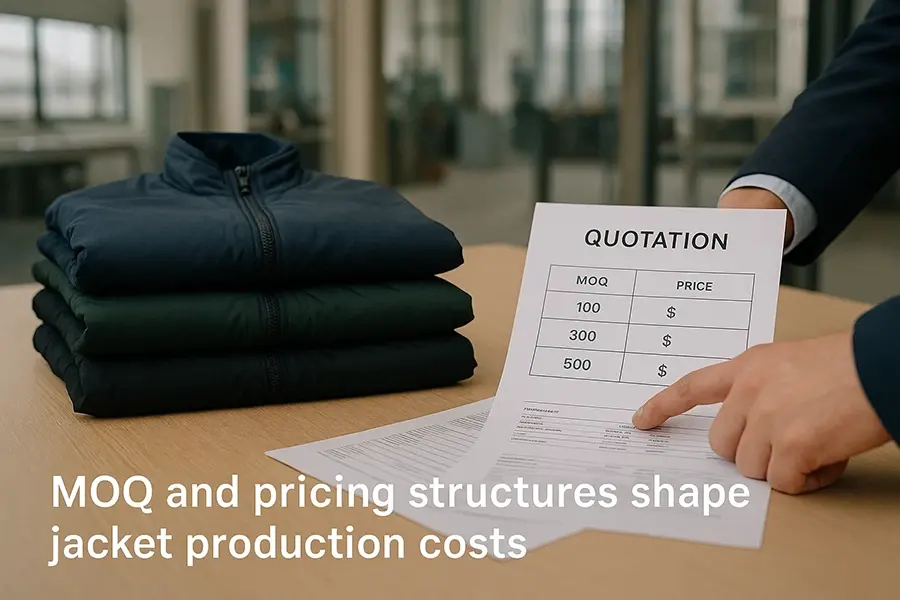
MOQ & Pricing
Typical MOQs range from 100–200 pcs for startups to 500+ for scaling brands. Unit costs drop significantly at 300–500 pcs. Confirm whether multiple styles (e.g., bomber and windbreaker) can share combined fabric MOQs.
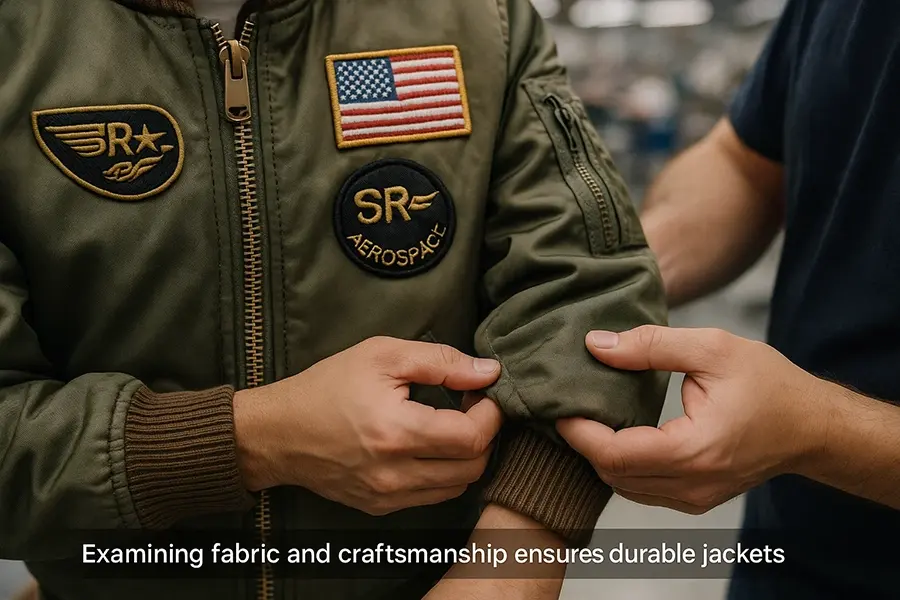
Fabric & Functional Performance
Fabric is central to jacket success:
- Cotton twill & denim: durable, structured.
- Nylon & polyester: lightweight, water-resistant.
- PU or faux leather: fashion-oriented, requires strict QC.
- Quilted linings: add insulation but increase stitching complexity.
Always request lab tests for waterproofing, windproof ratings, shrinkage, and seam strength. If your collection spans categories, align outerwear sourcing with custom jackets to maintain cohesive quality.
Decoration & Customisation Options
- Embroidery: durable, high perceived value.
- Screen/DTF prints: better for fashion-forward branding.
- Heat transfers: suitable for logos and patches.
- Speciality trims: zippers, snaps, and linings define brand identity.
Ensure decoration methods match fabric type (e.g., embroidery on denim, heat transfer on nylon). For collections, some brands align jackets with custom hoodies to create a consistent streetwear look.
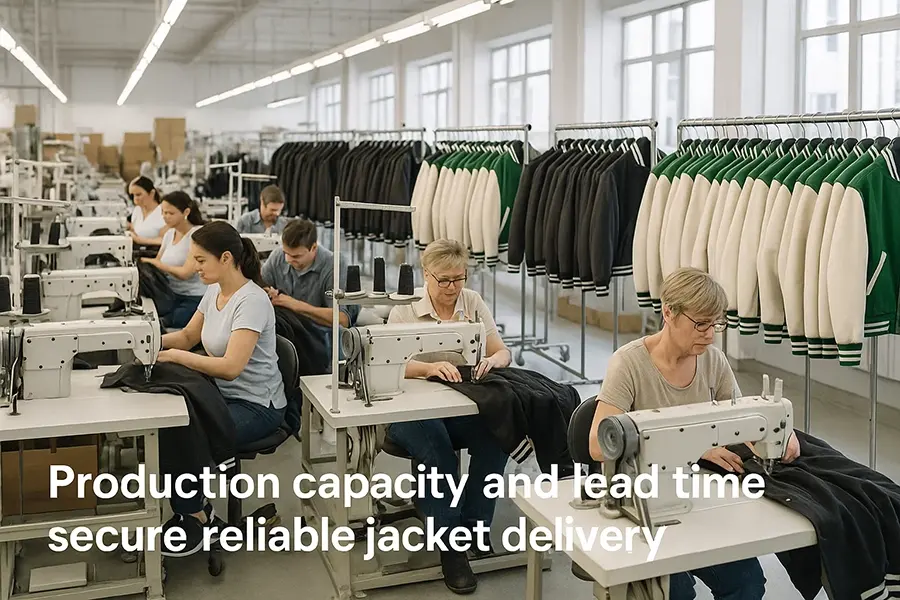
Lead Times & Scalability
Standard jacket production timelines:
- Samples: 7–12 days
- PPS: 10–14 days
- Bulk: 35–50 days
Functional or heavily decorated designs may take longer. Confirm whether the factory can expand capacity for multiple jacket styles in one season.
Quality Control & Testing
Critical QC checkpoints include:
- Seam strength and stitch density (SPI)
- Zipper and snap durability
- Waterproof or windproof tests
- Colorfastness and shrinkage (≤5%)
Specify AQL standards (Major 2.5, Minor 4.0) and conduct inline inspections.
Compliance & Certifications
For retail distribution, ensure ISO9001 and BSCI audits. For fabrics, OEKO-TEX or GRS certifications prove compliance with sustainability standards.
Sampling-to-Bulk: A Buyer’s Timeline
- Week 0–1: Design finalization, fabric sourcing
- Week 1–2: Sample development
- Week 3: Fabric testing (waterproofing, colorfastness)
- Week 4: PPS approval
- Week 5–9: Bulk production with inline QC
- Week 10+: Shipment (air 5–8 days/sea 25–35 days)
Common Pitfalls in Jacket Production
- Ignoring zipper and lining QC, leading to early failures
- Choosing fabrics without waterproof testing
- Underestimating production timelines for complex jackets
- Skipping compliance audits, limiting retail opportunities
Scenario Playbook: Startup vs Scaling Buyer
Startup: Focus on 100–200 pcs, simple fabrics (cotton, nylon), and straightforward trims. Limit SKUs to one or two jacket styles.
Scaling brand: Secure fabric in bulk, expand trims, add functional treatments, and work with factories experienced in seasonal scaling.
Partnering with the right supplier reduces risks and ensures long-term reliability. Explore Mingxing Clothing to discover how we support global brands with comprehensive jacket manufacturing solutions.
Would you be ready to get started? Contact Us today to request samples, compare MOQ tiers, and plan your next outerwear collection.
FAQs