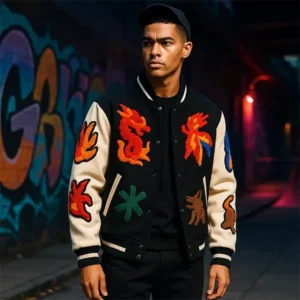
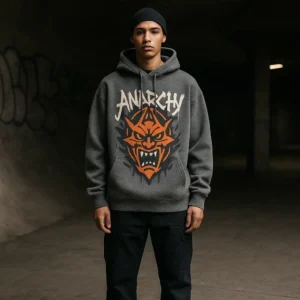
Why T-Shirt Manufacturing Requires Specialists
T-shirts may seem basic, but they involve critical choices: cotton vs. polyester blends, 160–240gsm weight ranges, shrinkage behaviour, and decoration durability. A general factory may cut corners on fabric consistency or fail to handle large-scale printing. A specialised custom T-shirt manufacturer ensures stable fabric sourcing, print-testing, and structured QC to protect your brand.
The Six-Factor Matrix for Choosing a T-Shirt Factory
Selecting a factory requires evaluating six key factors. These criteria help balance cost, quality, and scalability while ensuring your T-shirt line can succeed in the market.
MOQ & Pricing Flexibility
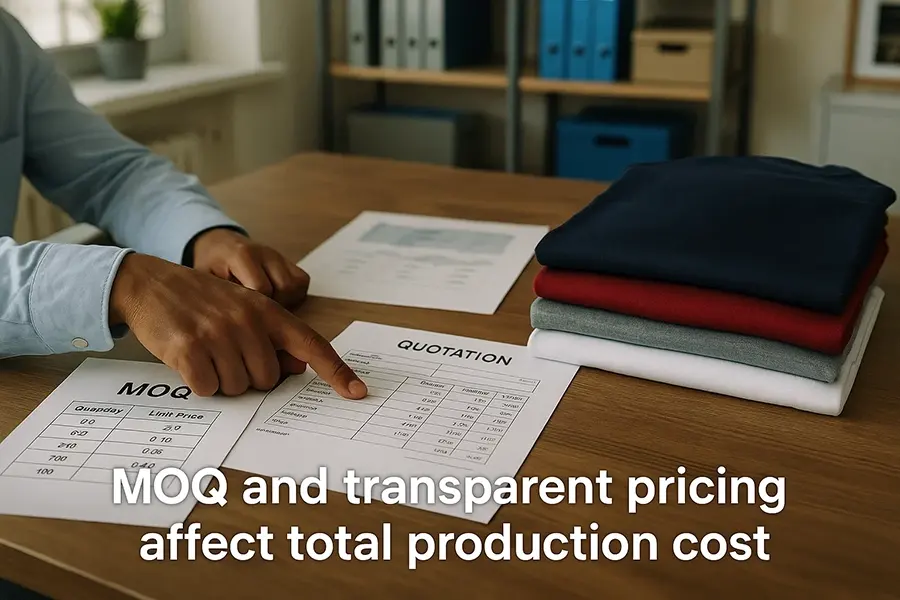
Factories vary widely in MOQ—from 100 pcs for startups to 500+ for wholesalers. Tiered pricing is common: 100–300 pcs for market testing, then larger orders for lower unit costs. Confirm whether colourways can be combined under one MOQ.
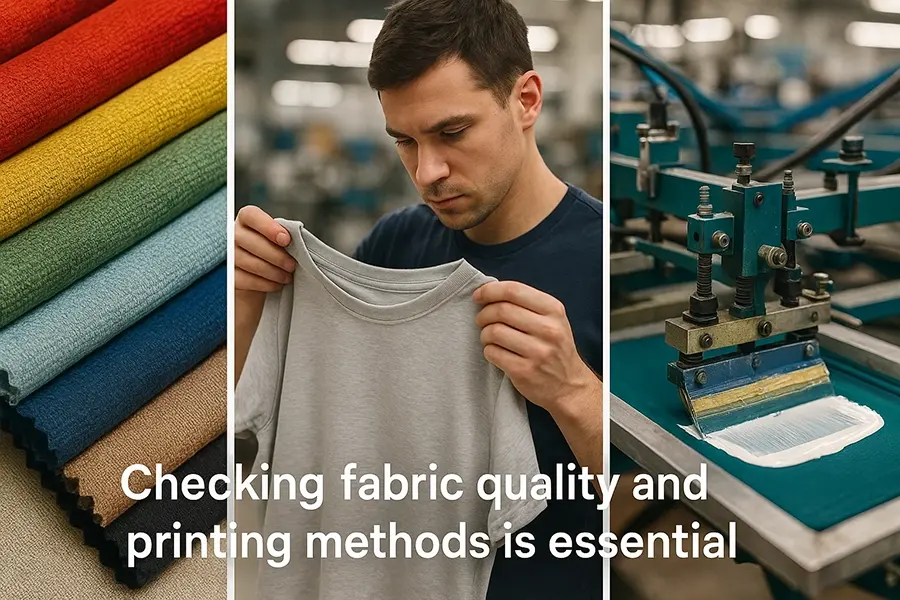
Fabric Choices & Performance (Cotton, Blends, Functional)
Fabric defines comfort and positioning.
- 100% cotton: breathable, soft, high retail appeal.
- Cotton/poly blends: wrinkle-resistant, durable, affordable.
- Functional fabrics: moisture-wicking or quick-dry, ideal for sportswear.
Request shrinkage and colourfastness tests. If your brand includes premium lines, coordinate your sourcing with custom t-shirts for consistency across collections.
Decoration Capabilities (Screen, DTG, Sublimation, Embroidery)
- Screen printing: cost-effective for bulk orders.
- DTG: suitable for small runs with complex graphics.
- Sublimation: best for polyester-based fabrics, vibrant results.
- Embroidery: high perceived value, long-lasting branding.
Always check wash-test results to confirm decoration durability.
Lead Times & Capacity Planning
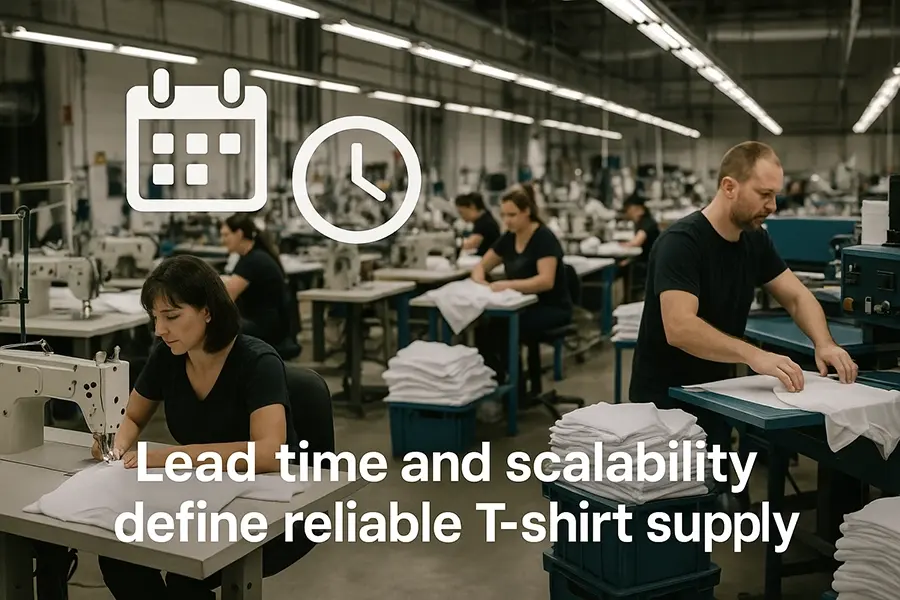
Standard timelines: 5–7 days for samples, 20–35 days for bulk. Peak seasons may extend lead times. Ensure your factory can handle both small-batch and large-scale orders. For scaling up, some buyers align their tops with custom hoodies to maintain consistent brand aesthetics.
Quality Control (AQL, Tests)
Set mid-production and final inspections. Recommended AQL: Major 2.5 / Minor 4.0. Insist on shrinkage ≤5%, colorfastness ≥3–4 grade, and seam durability checks.
Compliance & Certifications (ISO, OEKO-TEX, BSCI)
For retail and B2B buyers, certifications validate reliability. ISO9001 and BSCI audits prove process consistency, while OEKO-TEX ensures fabrics are safe and sustainable.
From Sampling to Bulk Production: A Buyer’s Timeline
- Week 0–1: Confirm design, BOM, and fabric selection
- Week 1–2: Sample development, wash testing
- Week 2–3: PPS approval
- Week 4–6: Bulk production with inline QC
- Week 6+: Shipping and final inspection
Common Pitfalls to Avoid in T-Shirt Production
- Overlooking fabric shrinkage, leading to inconsistent sizing
- Choosing the wrong decoration for the fabric type
- Missing peak season buffers
- Ignoring compliance, blocking retail distribution
Scenario Playbook: Startup vs Bulk Buyer
Startup brands: Choose factories with low MOQs (100–200 pcs), focus on core fits, and validate graphics with DTG or screen printing.
Bulk buyers: Secure fabric in advance, use sublimation or screen printing for cost efficiency, and align QC checks with shipment deadlines.
Partnering with the right manufacturer saves time, reduces risks, and builds trust. Explore Mingxing Clothing for end-to-end apparel production support.
For tailored solutions, contact us today to request samples, compare MOQs, and plan your production schedule with confidence.
FAQs