Buyers often confuse sublimation and heat transfer printing, but the two techniques serve very different purposes. Both are popular for custom clothing, especially in sportswear and promotional apparel. Understanding their differences will help you choose the right method for your designs.
Why Compare Sublimation vs Heat Transfer Printing?
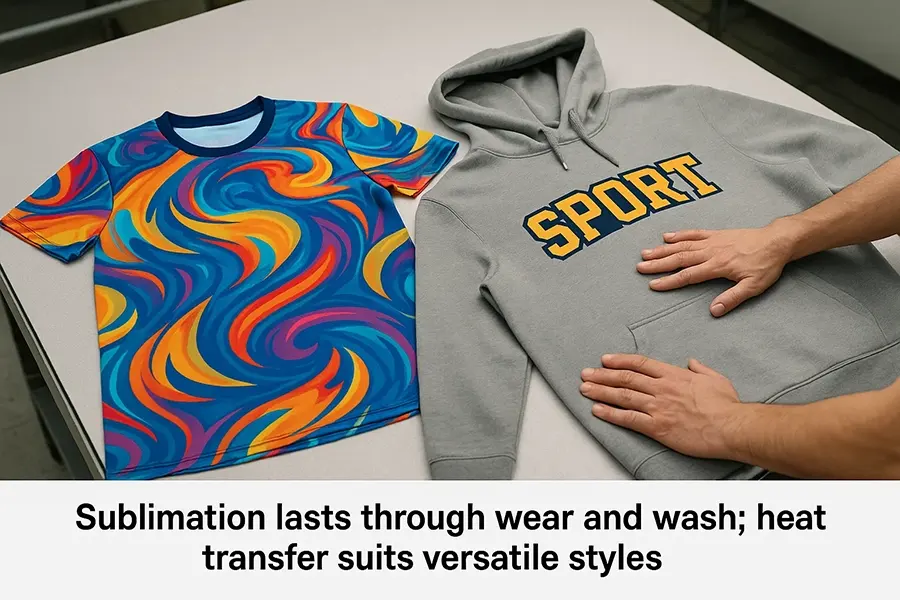
While both methods rely on heat to apply designs, sublimation chemically bonds dye with polyester fibers, while heat transfer applies a design layer on top of the fabric. Knowing which process suits your needs ensures durability and the right look for your collection.
What Is Sublimation Printing?
Sublimation uses heat and pressure to turn dye into a gas, bonding directly with polyester fabric. This creates a permanent, lightweight design that won’t peel or crack.
- Pros: Permanent prints, breathable, lightweight, ideal for sportswear.
- Cons: Limited to polyester fabrics, not suitable for cotton.
- Best For: Performance jerseys, custom t-shirts for sports, and all-over prints.
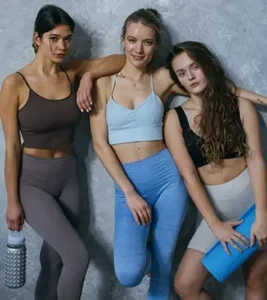
Factories offering custom sublimation printing often recommend it for athletic apparel requiring moisture-wicking properties.
What Is Heat Transfer Printing?
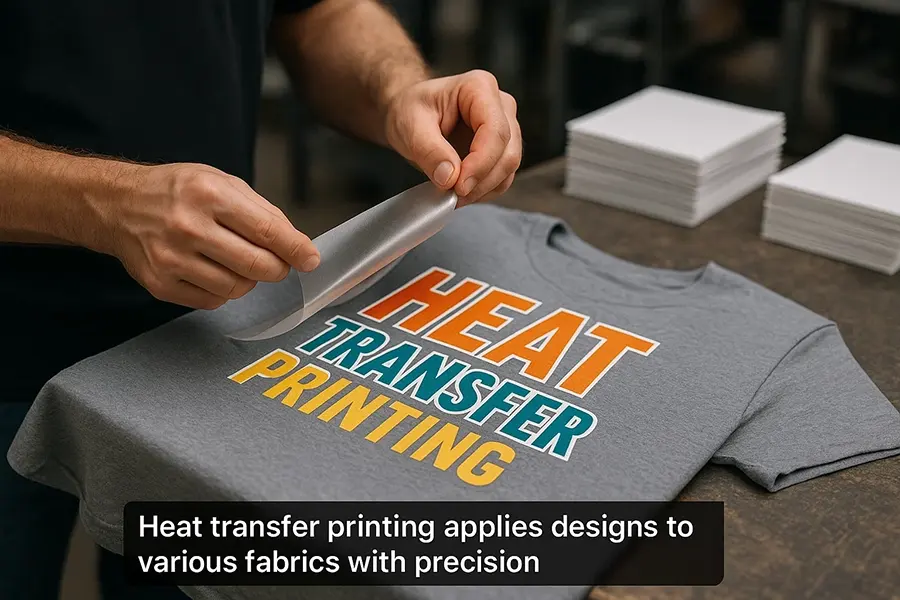
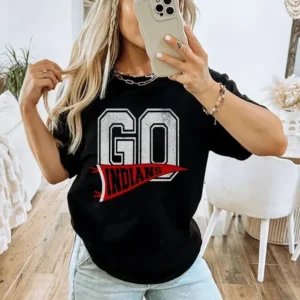
Heat transfer involves pressing a printed design onto fabric using heat and adhesive. Unlike sublimation, it works on multiple fabrics, including cotton and blends.
- Pros: Versatile fabric compatibility, cost-effective for small runs.
- Cons: May peel or crack over time, heavier hand feel than sublimation.
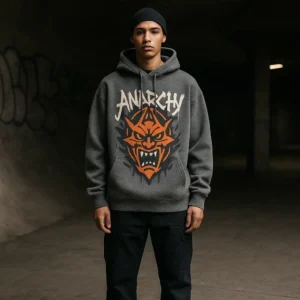
- Best For: Promotional wear, event custom hoodies, and small-scale collections.
Our custom heat transfer printing services help brands run short campaigns without large MOQ commitments.
Startup vs Scaling Brand Scenarios
- Startup: Limited budget, small campaigns → Heat transfer is flexible.
- Scaling Brand: Sportswear expansion → Sublimation ensures durability and brand consistency.
Choosing the right method depends on your fabric and project goals—partner with Mingxing Clothing to explore sublimation and heat transfer solutions for your next collection.
Do you need help selecting the right option? Contact us today to request fabric tests and sample prints.
FAQs