When building a custom clothing line, one of the most important choices is whether to use embroidery vs printing for decoration. Both methods have unique strengths, and selecting the right one can impact your brand image, production cost, and long-term durability.
Why Compare Embroidery vs Printing?
Embroidery and printing often overlap in apparel decoration, but their results differ dramatically. Buyers must decide based on durability, cost, and the type of garment being produced.
What Is Embroidery for Clothing?
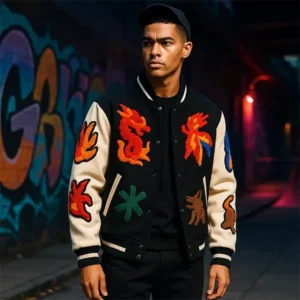
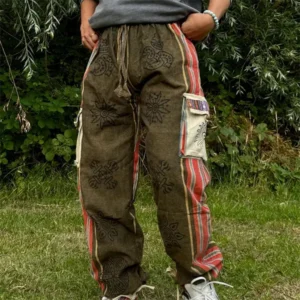
Embroidery uses stitched threads to create logos, text, or patterns directly onto fabric. It is commonly applied to custom jackets and custom hoodies for a premium, textured finish.
- Pros: Highly durable, premium appearance, adds texture.
- Cons: Higher cost per unit, limited detail for complex designs.
- Best For: Logos, uniforms, premium fashion.
Factories offering custom embroidery services typically recommend it for corporate wear, outerwear, and premium branding.
What Is Printing for Clothing?
Printing applies ink or transfers directly onto fabric, allowing for a wide range of designs and vibrant colors. Methods include screen printing, DTG, DTF, and sublimation.
- Pros: Suitable for complex, colorful graphics; scalable at a lower cost.
- Cons: Durability depends on the method; some may crack or fade.
- Best For: Promotional apparel, custom t-shirts, fashion streetwear.
Our custom printing services cover multiple techniques for different fabrics and order sizes.
tartup vs Scaling Brand Scenarios
- Startup: May prefer printing to test designs with lower cost.
- Scaling Brand: Often invests in embroidery for durability and an elevated brand image.
Embroidery and printing both serve vital roles in custom clothing decoration. The key is to match the method with your product type and brand positioning. Explore solutions with Mingxing Clothing to see which method fits your next collection.
Looking to compare costs and samples? Contact us to get guidance and test decoration methods before production.
FAQs