Clothing production lead time is influenced by factors such as fabric sourcing, sample approvals, production complexity, factory scheduling, and shipping. Even small delays in one stage can affect the entire production schedule.
This guide explains the factors that have the greatest impact on lead time and shows how experienced custom clothing manufacturers help brands improve planning and delivery reliability.
10 Key Factors That Affect Clothing Production Lead Time
Several production stages influence the overall lead time. Some are controlled by manufacturers, while others depend on buyer decisions.
1. Fabric Availability
Production cannot begin until all required fabrics are available.
Stock fabrics are generally ready much faster than custom-developed materials, while special dyeing or weaving processes may require additional time.
2. Product Type and Construction Complexity
Garment complexity has a direct impact on production schedules.
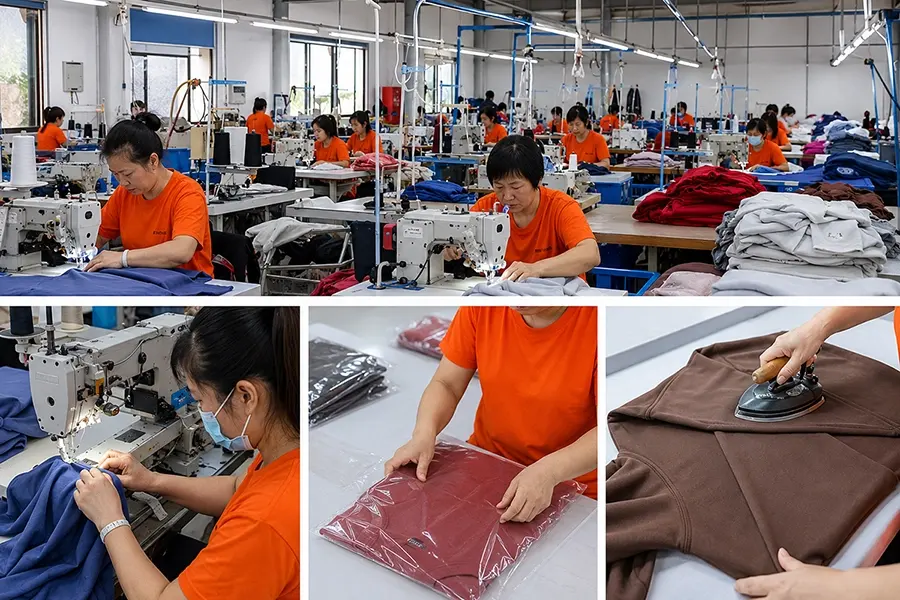
Basic products usually require fewer production steps, while structured garments involve additional sewing, fitting, and finishing processes.
Generally, the more construction details a garment includes, the longer production will take.
3. Sample Development and Approval
Before bulk production begins, manufacturers typically create samples for review.
Multiple sample revisions, delayed feedback, or specification changes can significantly extend overall lead time because production cannot proceed until the sample is approved.
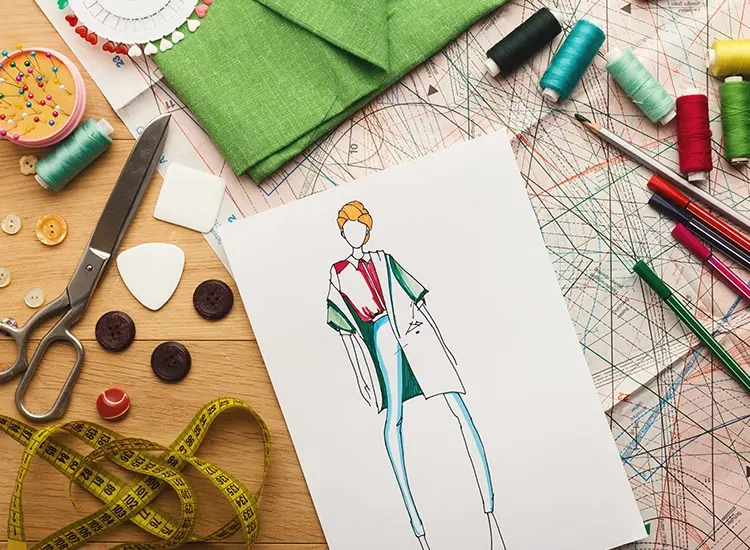
4. Tech Pack Quality
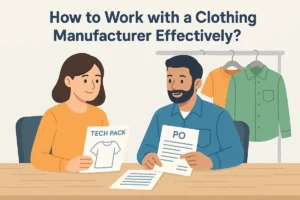
Clear and detailed tech packs reduce communication time and minimise production errors.
Incomplete specifications often result in repeated confirmations and additional sampling rounds.
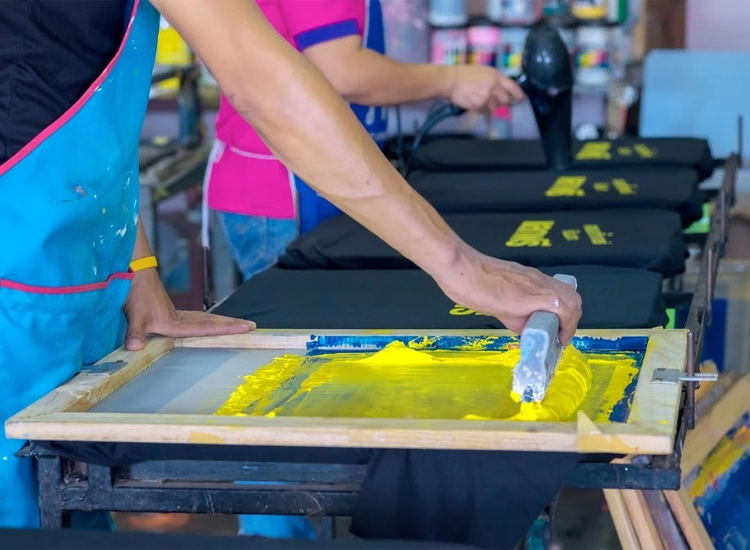
5. Printing and Embroidery
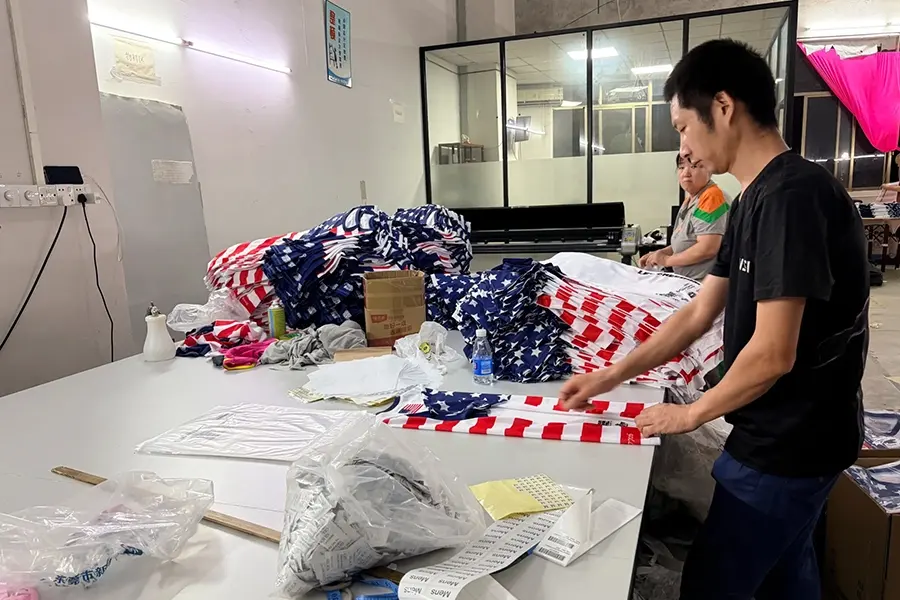
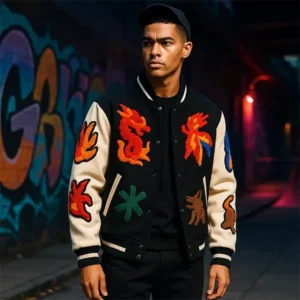
Screen printing, embroidery, puff printing, rhinestones, and other decorative techniques require extra production steps.
More complex decoration generally increases production time.
6. Custom Accessories
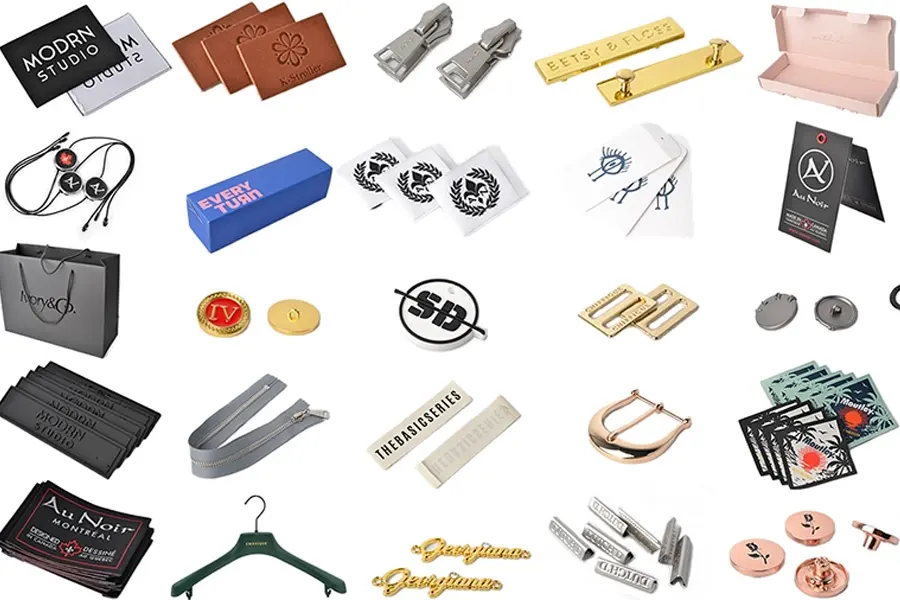
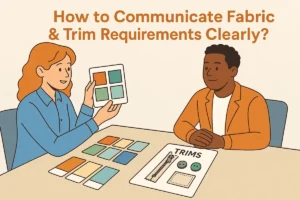
Custom labels, woven patches, buttons, zippers, hangtags, and packaging materials may require separate sourcing before production can begin.
7. Factory Production Schedule
Factory workload changes throughout the year.
Peak production seasons, major holidays, and large existing orders may extend waiting times before production starts.
8. Quality Inspection
Quality inspections help ensure consistent production standards, but also require additional processing time before shipment.
9. Packaging Requirements
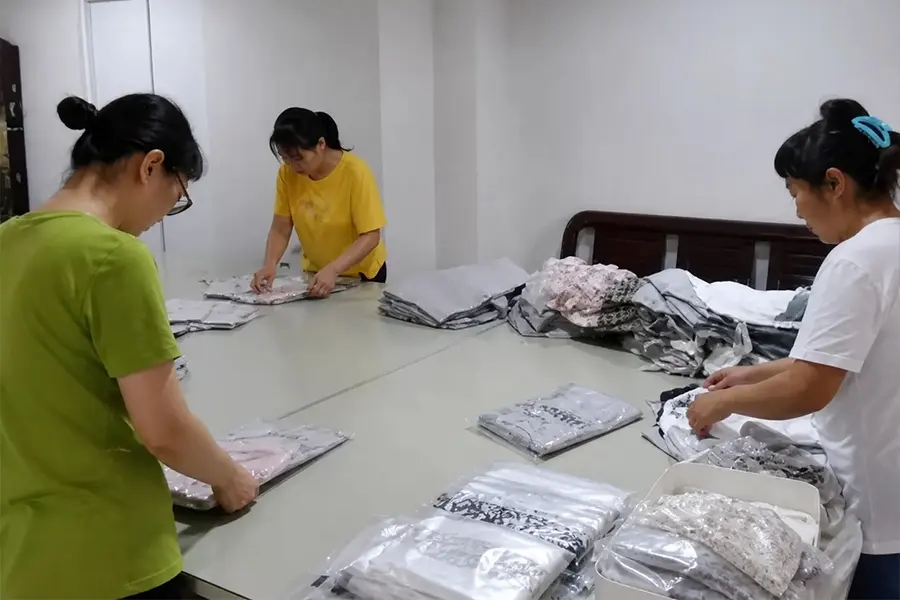
Special folding methods, branded packaging, barcode labelling, and retail-ready presentation may increase preparation time before shipment.
10. Shipping Preparation
Export documentation, customs paperwork, booking transportation, and warehouse scheduling all influence the final delivery timeline.
Which Factors Usually Cause the Longest Delays?
Not every production stage affects lead time equally. In most clothing projects, a few key factors account for the majority of production delays.
Focusing on these high-impact factors during project planning can significantly improve production efficiency and delivery accuracy.
Typical Clothing Production Timeline
Understanding how production time is distributed helps buyers plan projects more accurately.
Actual timelines vary depending on product complexity and project requirements.
What Can Buyers Do to Reduce Lead Time?
Although some production stages depend on factory operations, buyers can influence several important factors before production begins.
Preparing product information early and responding quickly during sampling are two of the most effective ways to reduce unnecessary delays.
Buyer Planning Tips
Planning is one of the easiest ways to improve delivery reliability.
Starting earlier provides additional time for revisions, production scheduling, and unexpected delays.
Final Note
Many production delays can be avoided through better planning rather than faster manufacturing.
Preparing complete product information, approving samples promptly, and communicating production schedules early all contribute to shorter and more predictable lead times.
If you’re planning a custom clothing project, contact Mingxing Clothing to discuss your production timeline before sampling begins.
FAQ