⚠️ Why So Many Brands Struggle with First-Time Production
Working with a garment manufacturer isn’t just about sending a sketch and placing an order.
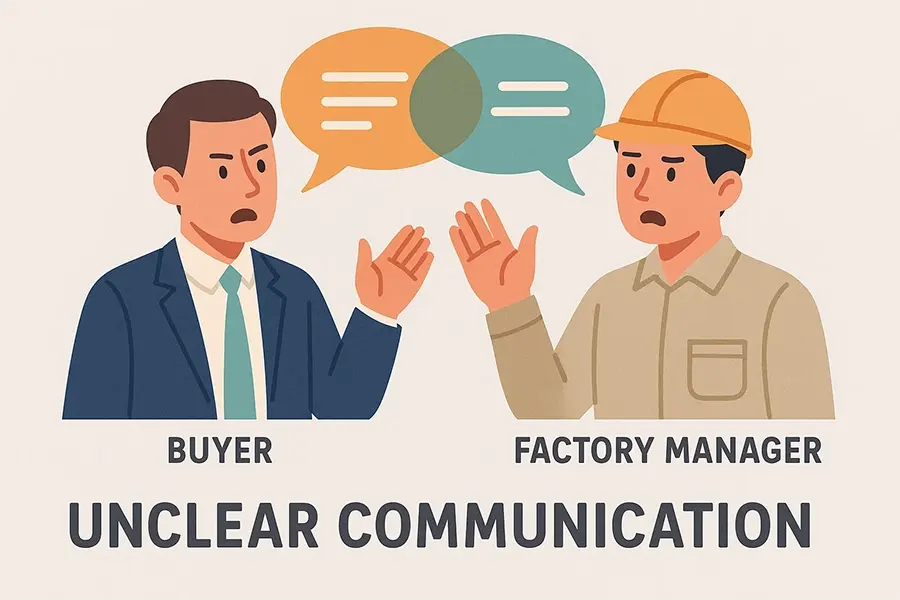
It involves clear specs, timeline alignment, and mutual understanding—and mistakes happen when expectations don’t match execution.
📢 Buyer quote: “We assumed the factory knew what we wanted. They made it—but totally off-brand. That’s on us.”
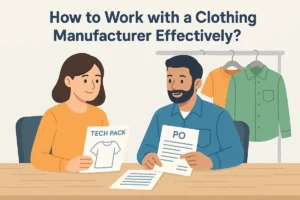
📖 Related: How to Work with a Clothing Manufacturer Effectively?
✅ 10 Costly Mistakes to Avoid When Working with Manufacturers
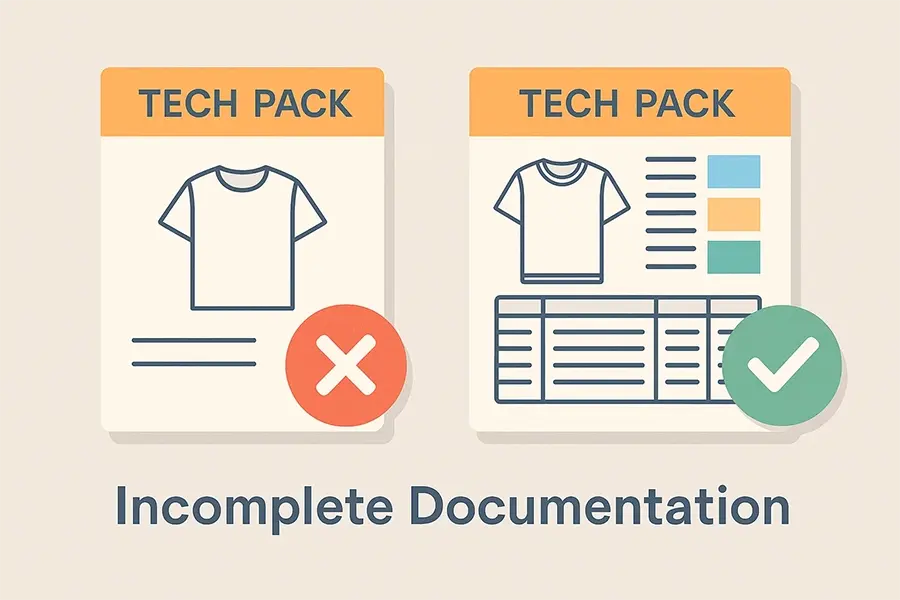
1. Not Preparing a Proper Tech Pack
Without a detailed tech pack, you leave the factory guessing. This leads to fit issues, wrong trims, or missed details.
📖 Related: How to Send a Tech Pack to Your Clothing Manufacturer?
2. Ignoring Sample Revisions Before Bulk
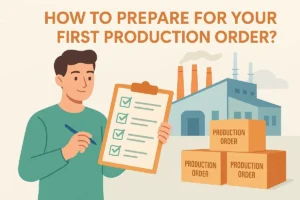
Skipping revision rounds to “save time” often causes expensive rework in production. Always approve a pre-production sample.
📖 Related: How to Handle Sample Revisions with Clothing Manufacturers?
3. Not Confirming All Specs in Writing
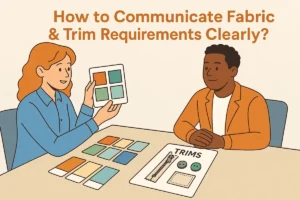
Verbal confirmation isn’t enough. Fabric GSM, color codes, packaging—everything should be documented in writing.
4. Changing Design Too Late in the Process
Mid-production design changes disrupt flow, increase cost, and delay shipping. Lock specs early and avoid “last-minute tweaks.”
4. Changing Design Too Late in the Process
Mid-production design changes disrupt flow, increase cost, and delay shipping. Lock specs early and avoid “last-minute tweaks.”
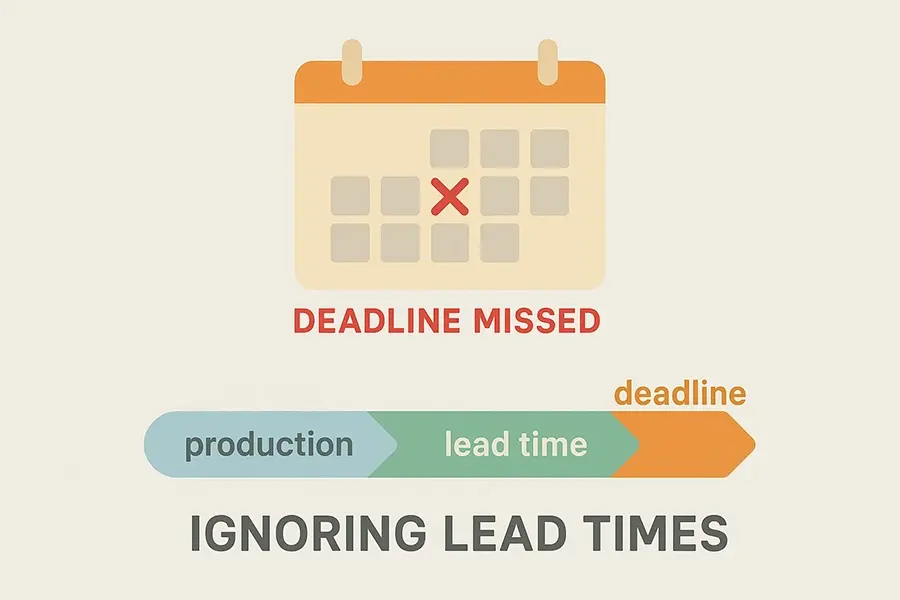
5. Underestimating Lead Time
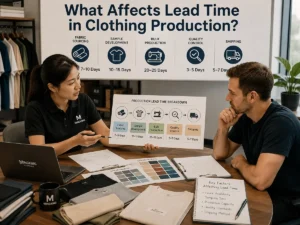
Expecting a 2-week delivery for bulk orders is unrealistic. Include time for sourcing, sampling, QC, and logistics.
📖 Related: What Affects Lead Time in Clothing Production?
6. Focusing Only on Price, Not Fit or Service
Cheaper isn’t always better. If stitching, fit, or fabric quality is off, returns and lost reputation cost more.
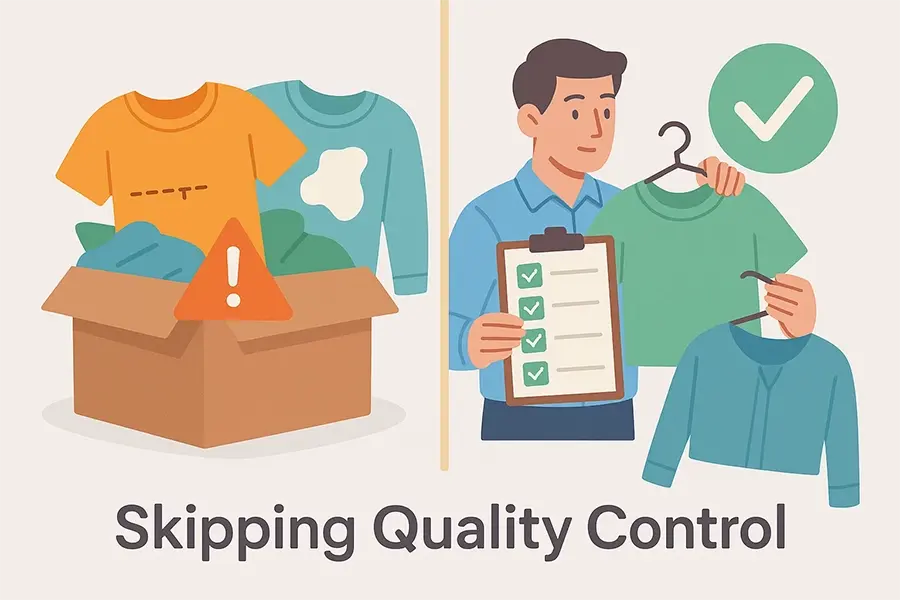
7. Not Discussing Quality Control Early
Assume nothing. Always ask how QC is done—inline checks, final inspection, defect policy.
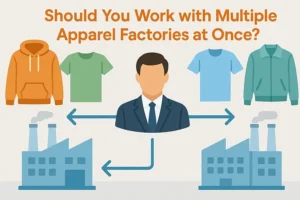
📖 Related: Should You Work with Multiple Factories at Once?
8. Misunderstanding MOQ Requirements
Ordering below factory MOQ without confirmation can lead to refusal, extra charges, or wrong materials being used.
📖 Related: MOQ Negotiation Tips for Custom Apparel Orders
9. Assuming the Factory Understands Your Brand Style
Factories follow specs, not intuition. If you want your “oversized hoodie” to fit like Zara, you must clarify exactly how.
10. Failing to Document Order Terms Clearly
Lack of a clear PO (Purchase Order) or confirmation email = miscommunication risk. Confirm quantity, cost, ship date, and payment terms.
📖 Related: What to Ask Before Choosing a Clothing Manufacturer?
✅ How to Avoid These Mistakes (Smart Buyer Habits)
📖 Related: How to Work with a Clothing Manufacturer Effectively?
📩 Call to Action
Worried about first-time factory mistakes?
🎁 Download our Apparel Production Risk Checklist to guide your workflow and avoid common errors.
📧 Request Now
🙋♀️ FAQs: Avoiding Factory Collaboration Mistakes