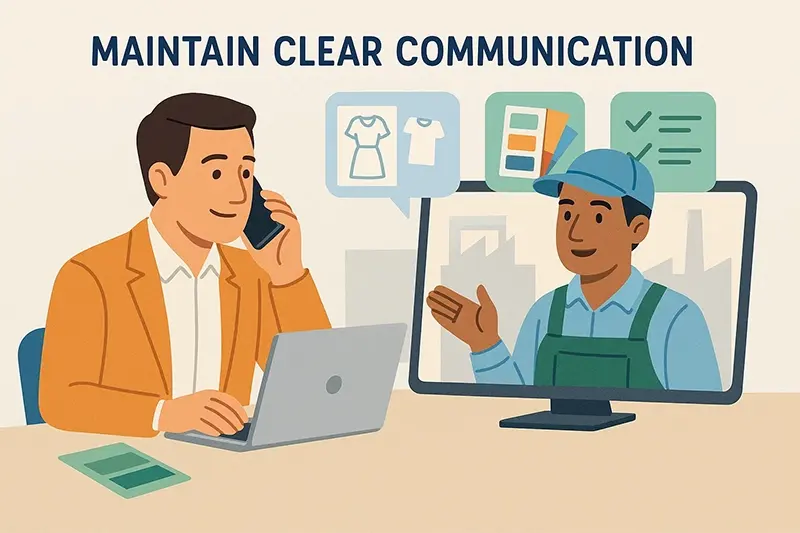
Many new buyers focus on getting the lowest price when sourcing a factory. But price is only one piece of the puzzle. What truly determines production success is effective communication—how clearly you explain your product vision, how well you manage feedback, and how quickly both sides align on the same goals. Miscommunication leads to delays, defects, and broken trust—none of which can be fixed by a cheaper quote.
🪜 7 Key Phases in Working with a Manufacturer
If you want to avoid costly misunderstandings, it’s crucial to understand each stage of collaboration and what’s expected of you along the way.
🔹 1. Inquiry & First Contact
Introduce your brand, product category, expected quantity, and timeline.
📢 Buyer quote: “We emailed several suppliers but got no clear response. Maybe we weren’t specific enough.”
✅ Tip: Include a few reference images and explain your expectations up front.
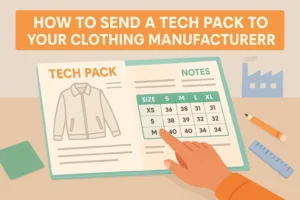
🔹 2. Tech Pack & Product Info Sharing
This step sets the foundation for accurate costing and sample making.
Don’t say: “Make it like this photo.”
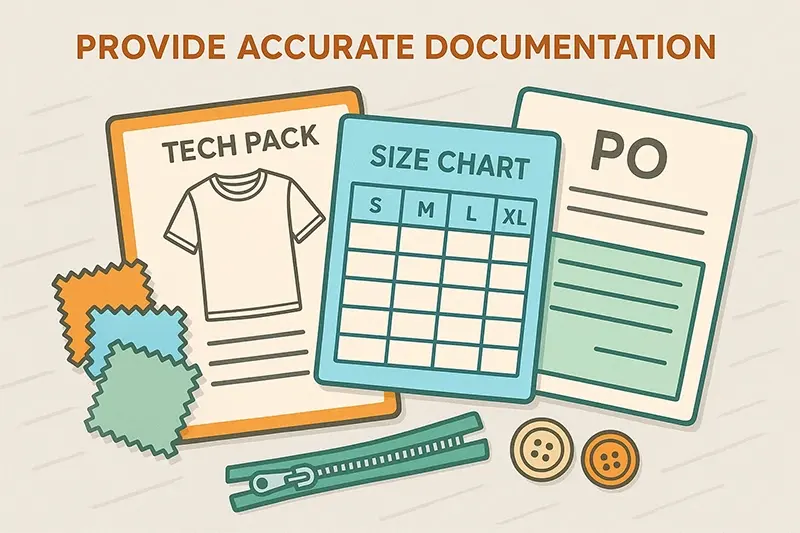
Instead: “Please refer to our tech pack with full-size specs, Pantone colours, and print placements.”
📖 Related: [How to Send a Tech Pack to Your Clothing Manufacturer]
🔹 3. Sampling & Revisions
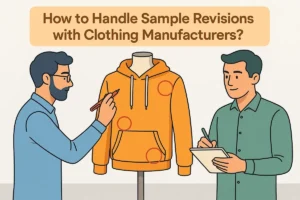
Sampling isn’t just about the product—it’s about testing communication. Use annotations, numbered revisions, and file versioning to reduce friction.
📖 Related: [How to Handle Sample Revisions with Clothing Manufacturers]
🔹 4. MOQ & Pricing Negotiation
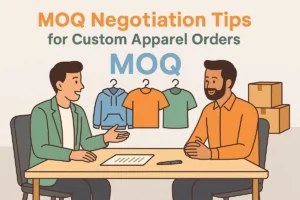
Be transparent about your needs and budget. Instead of just asking for a lower MOQ, share your brand goals and product roadmap to demonstrate your commitment to the partnership.
🧠 Pro Tip: Factories are more likely to offer flexible terms to buyers who show long-term potential.
📖 Read: MOQ Negotiation Tips for Custom Apparel Orders
🔹 5. Confirming Lead Time & Production Plan
Request a clear timeline that includes every step, from material sourcing to sewing, finishing, and shipping.
📖 Related: What Affects Lead Time in Garment Production?
🔹 6. Bulk Production Tracking
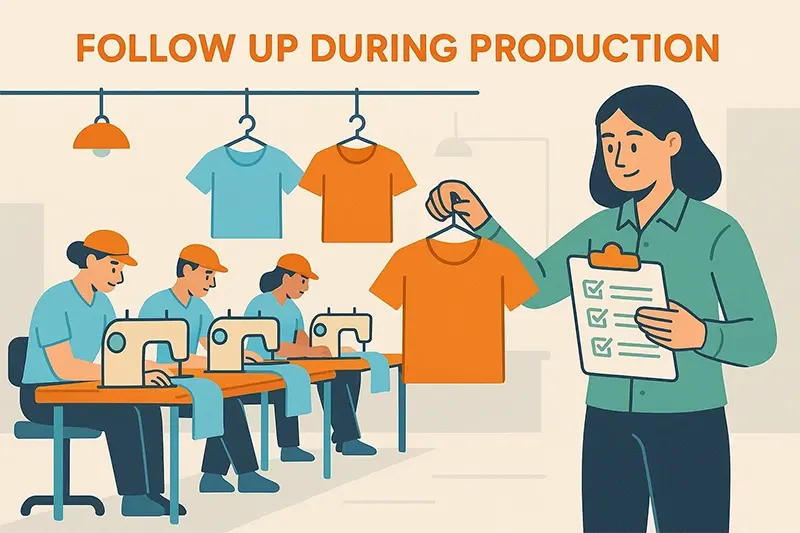
Even after confirming, stay in the loop. Ask for milestone updates with photo proofs. Many delays can be avoided with weekly communication.
🔹 7. Delivery & Post-Production Review
Ensure labelling, folding, and packaging follow your original approval. After delivery, review the results and provide feedback to improve future orders.
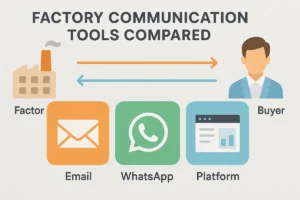
✉️ Communication Tools: Email, WhatsApp, or Platforms?
Each tool serves a purpose—smart buyers know when to use which.
🧠 Manufacturer’s Perspective: How to Be a Great Client
“Buyers who prepare clear instructions and reply quickly always get better outcomes.”
Factories are more than vendors—they’re collaborators. When you:
- Respond within 24 hours
- Provide detailed, consistent feedback
- Respect lead time realities
- You build a relationship that leads to smoother workflows, lower error rates, and future priority treatment.
🤝 Long-Term Relationships Lead to Better Results
Your second and third orders are where efficiency risks in. Long-term clients benefit from:
- Sample priority
- Lower MOQs
- Better fabric sourcing options
- Stable pricing in peak seasons
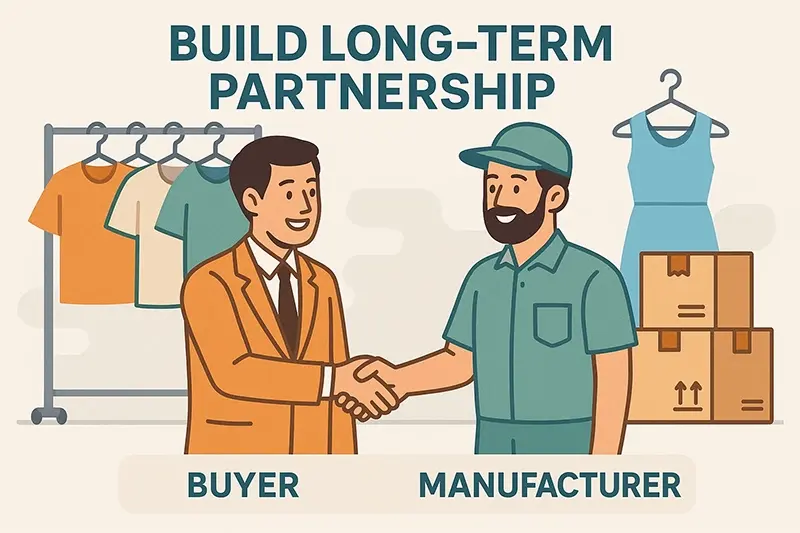
Treat your manufacturer like a partner, and they’ll treat your product like their own.
🙋♀️ FAQs: Working with a Clothing Manufacturer