🔍 Why Sample Revisions Happen (and Why It’s Normal)
No factory ever gets the first sample perfect. Sample revisions are a standard part of the production process, even for experienced buyers.
The goal of sampling is alignment—ensuring that both the buyer and the manufacturer share the same expectations before bulk production begins.
📢 Buyer quote: “We thought they messed up our hoodie sample, but later realised we didn’t specify the cuff measurement. Feedback matters.”
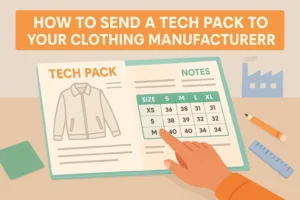
📖 Related: How to Send a Tech Pack to Your Clothing Manufacturer?
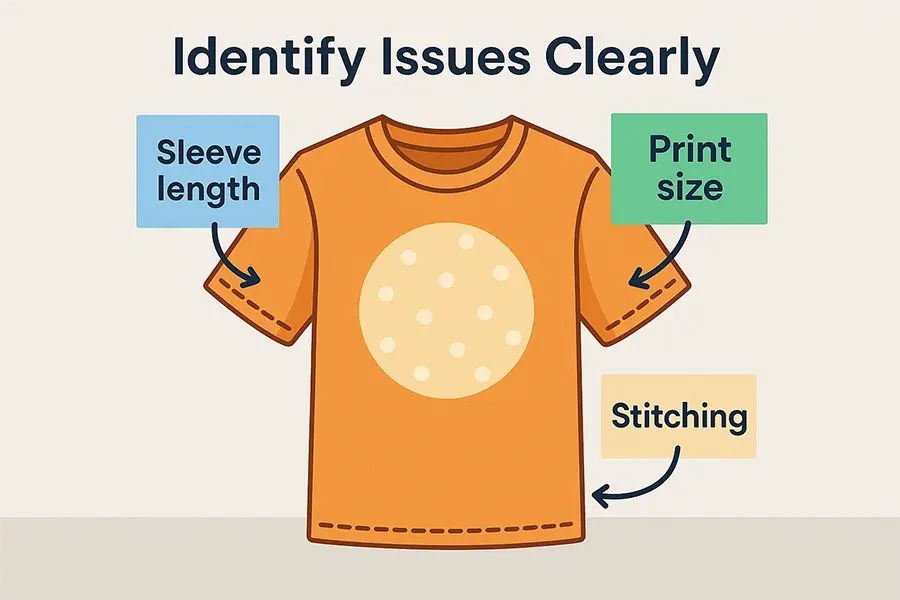
⚠️ 3 Common Types of Sample Issues
1. Incorrect Measurements or Fit
Even small errors in sleeve length, body width, or rise height can make the product unusable. Factories may misinterpret specs if unclear.
2. Fabric or Colour Deviations
Wrong fabric weight, different dye lot shades, or substitute trims may appear in samples—especially if your BOM is vague.
3. Construction, Stitching, or Finish Issues
Loose threads, seam misalignment, and wrong stitch type—all common if the tech pack lacks visual cues or stitching notes.
📖 Related: MOQ Negotiation Tips for Custom Apparel Orders
🧭 How to Give Clear & Actionable Feedback (with Examples)
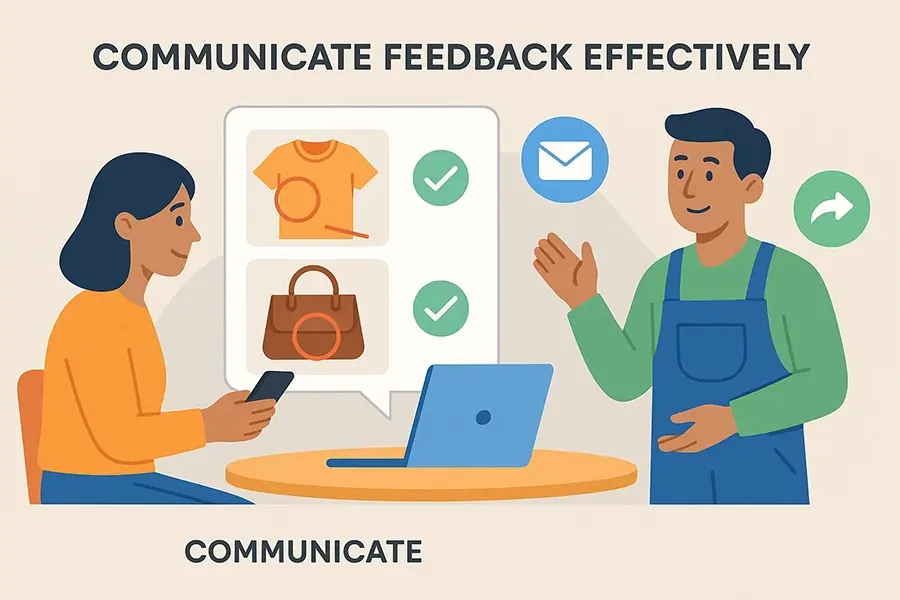
Vague feedback leads to confusion. Specific feedback saves time and money.
✅ Best Practices for Feedback:
- Use annotated PDFs with arrows and notes
- Reference the tech pack version in every comment
- Use consistent file names (e.g., Hoodie_SampleV2_Notes.pdf)
- Confirm feedback summary in writing
📖 Related: How to Work with a Clothing Manufacturer Effectively?
🛠 Tools & Tips for Sample Revision Tracking
🧠 Tip: Keep 1 email thread per style, label samples clearly, and confirm sample receipt date & revision history.
🧵 Manufacturer’s Perspective: What Makes Feedback Useful?
“We don’t mind revising, but we need clarity. A red pen markup is 10x better than long paragraphs.”
Factories appreciate buyers who:
- Consolidate feedback instead of sending it piece by piece
- Mark visuals instead of vague descriptions
- Confirm changes before jumping to the next round
- Stay polite, even under pressure
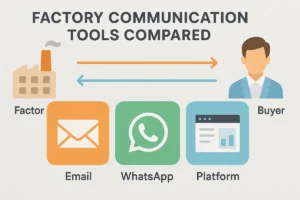
📖 Related: Apparel Factory Communication Tools Compared: Email, WhatsApp, or Platforms?
✅ Final Approval: When to Say “Yes” and Move to Production
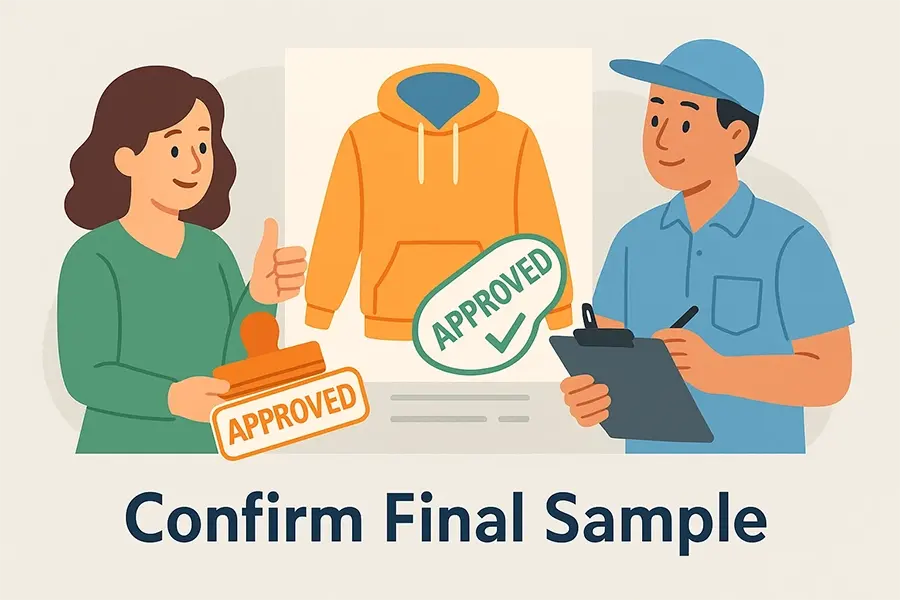
A perfect sample doesn’t exist—but a production-ready sample does. You’re ready to approve when:
- All critical specs match your tech pack
- Fabric, stitching, trims, labels match BOM
- Fit is consistent and predictable across sizes
- The sample has been checked under real-world conditions (wash test, fit test)
🎯 Confirm final approval in writing, using phrases like:
“Approved for bulk with no changes” or
“Approved with note: neck label will be printed, not sewn.”
📩 Call to Action
Want to make your next sample round smooth and mistake-free?
🎁 Download our Sample Feedback Template and Sample Tracking Sheet now.
📧 Request Now
🙋♀️ FAQs: Sample Revisions & Approval