How to Choose Fabric for Your Clothing Brand
Choosing the right fabric is one of the most important decisions in apparel development.
Fabric influences far more than how a garment feels. It affects product quality, customer satisfaction, production costs, retail pricing, and even brand positioning.
Many new clothing brands focus heavily on designs and logos while overlooking fabric selection. However, the same design can feel completely different depending on the fabric used.
Whether you’re developing T-shirts, hoodies, sportswear, or fashion apparel, understanding how to choose fabric can help you create products that align with your brand goals and customer expectations.
This guide explains how clothing brands can evaluate fabric options and make better material decisions before production begins.
Why Fabric Selection Matters
Fabric is often the foundation of a garment.
The material you choose influences:
- Comfort and wearability
- Product durability
- Garment appearance
- Production costs
- Retail pricing
- Customer satisfaction
- Brand positioning
For example, a premium streetwear brand may prioritise heavyweight cotton fabrics, while a performance sportswear brand may focus on lightweight polyester blends with moisture-wicking properties.
The right fabric should support both the product and the brand strategy behind it.
Start With Your Product Category
Before comparing fabric types, start by identifying what product you plan to manufacture.
Different apparel categories often require different fabric characteristics.
| Product Type | Common Fabric Choices |
|---|---|
| T-shirts | Jersey, Cotton, Cotton Blends |
| Hoodies | French Terry, Fleece |
| Sportswear | Polyester, Performance Blends |
| Polo Shirts | Pique |
| Streetwear | Heavyweight Cotton, French Terry |
| Fashion Apparel | Rayon, Viscose, Modal, Tencel |
Choosing fabric based on the intended product category is usually more effective than choosing based on fibre content alone.

Understand the Most Common Fabric Types
Most custom apparel projects use a relatively small group of fabric categories.
The table below outlines some of the most common fabrics used in apparel manufacturing.
| Fabric Type | Common Uses | Key Advantages |
|---|---|---|
| Cotton | T-shirts, Casualwear | Soft, breathable, comfortable |
| Polyester | Sportswear, Activewear | Durable, moisture-wicking |
| Cotton/Poly Blend | Everyday Apparel | Balance of comfort and durability |
| French Terry | Hoodies, Sweatshirts | Comfortable, versatile |
| Fleece | Hoodies, Outerwear | Warm, soft |
| Modal | Premium Basics | Smooth, lightweight |
| Pique | Polo Shirts | Textured appearance |
| Rayon/Viscose | Fashion Apparel | Soft drape and comfort |
The best fabric is not necessarily the most expensive option. The best fabric is the one that supports your product goals, customer expectations, and brand positioning.
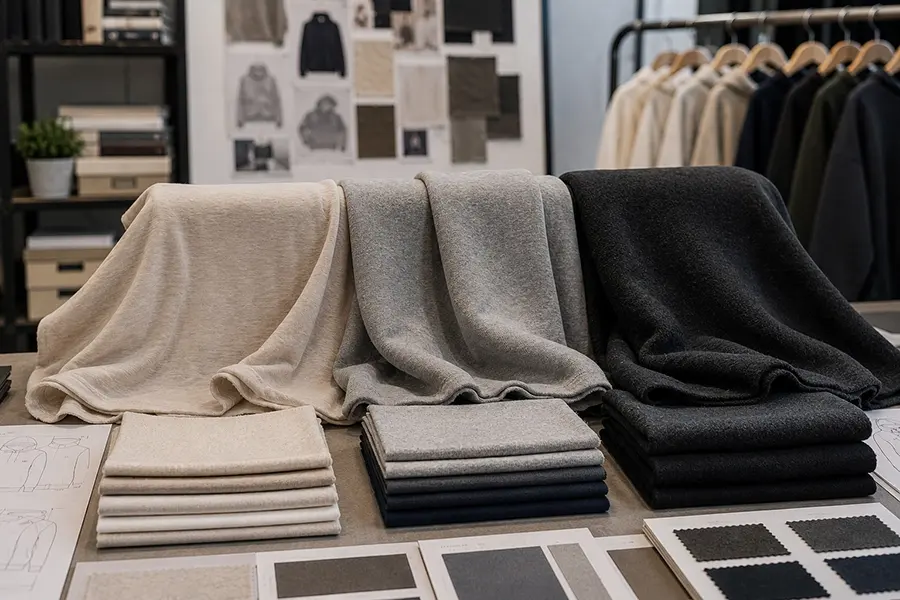
Consider Fabric Weight (GSM)
Fabric weight plays a major role in how a garment feels and performs.
GSM stands for grams per square meter and is commonly used to measure fabric weight.
Typical GSM ranges include:
| Product Type | Common GSM Range |
|---|---|
| Lightweight T-shirts | 140–180 GSM |
| Standard T-shirts | 180–220 GSM |
| Premium T-shirts | 220–280 GSM |
| Lightweight Hoodies | 240–320 GSM |
| Heavyweight Hoodies | 320–450 GSM |
Higher GSM does not automatically mean better quality.
A lightweight sportswear fabric may perform better than a heavyweight cotton fabric depending on the intended use.
The ideal fabric GSM should match the product category, target customer, and brand positioning.
Match Fabric to Your Brand Positioning
Fabric selection should support your overall brand strategy.
Different market segments often require different material choices.
| Brand Positioning | Common Fabric Choices |
|---|---|
| Budget Brands | Polyester, Cotton Blends, Standard Jersey |
| Mid-Market Brands | Combed Cotton, French Terry, Higher Quality Jersey |
| Premium Brands | Modal, Tencel, Organic Cotton, Premium French Terry |
Budget-oriented brands often focus on controlling production costs while maintaining acceptable quality standards.
Mid-market brands usually balance comfort, appearance, and affordability.
Premium brands often prioritise customer experience, fabric performance, and perceived value.
The fabric you choose should support the price point and market position you want your products to achieve.
Common Fabric Selection Mistakes
Many apparel brands make avoidable mistakes during the fabric selection process.
Some of the most common include:
- Choosing fabric based only on price
- Ignoring GSM and fabric weight
- Following trends without considering functionality
- Forgetting target customer preferences
- Selecting fabrics before defining product positioning
Fabric decisions should always balance cost, performance, appearance, and customer expectations.
Brands that focus only on one factor often encounter quality or positioning problems later.
How Manufacturers Can Help You Choose Fabric
Many brands assume they must choose fabrics entirely on their own.
In reality, experienced manufacturers often play an important role in fabric selection and custom clothing development.
A clothing manufacturer can help:
- Recommend suitable fabric options
- Balance quality and cost
- Source alternative materials
- Suggest appropriate GSM ranges
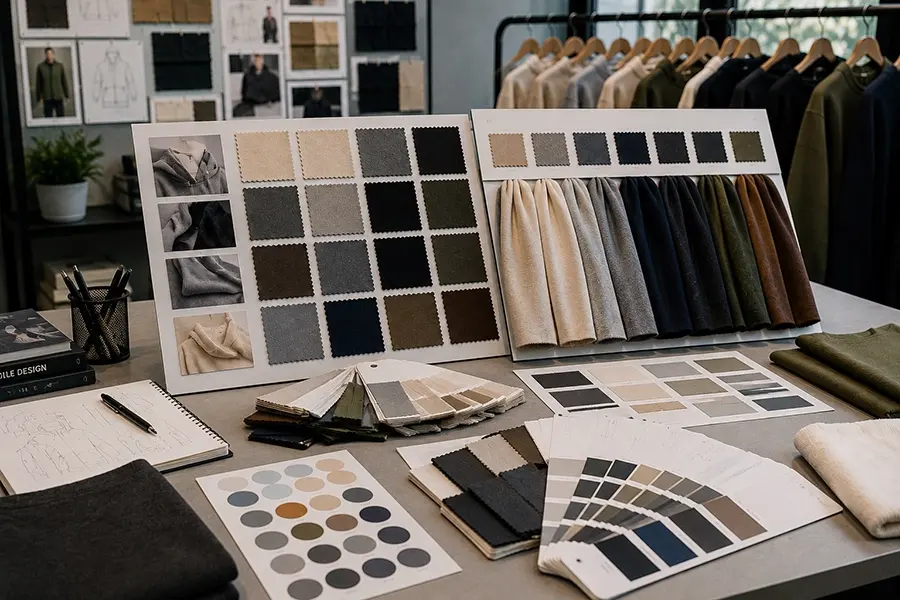
- Provide fabric swatches
- Improve product performance
Working with manufacturers early in the development process can reduce costly mistakes and accelerate product development.
Fabric Selection Checklist
Before choosing a fabric, ask yourself the following questions:
- What product am I creating?
- Who is my target customer?
- What retail price am I targeting?
- What level of quality do I want to achieve?
- What performance features are required?
- What is my production budget?
- Which fabric best supports my brand positioning?
Answering these questions before development begins can make fabric selection significantly easier.
Ready to Choose the Right Fabric for Your Next Project?
The right fabric can improve product quality, strengthen brand positioning, and create a better customer experience.
Rather than selecting materials based solely on trends or price, successful apparel brands evaluate fabrics based on product goals, customer expectations, and long-term business strategy.
If you need help selecting fabrics for your next apparel project, contact Mingxing Clothing to discuss fabric options, sample development, and manufacturing solutions.
FAQs
What Is the Best Fabric for a Clothing Brand?
There is no single best fabric. The ideal choice depends on the product type, target customer, budget, and brand positioning.
How Do I Choose Fabric for a New Clothing Brand?
Start by defining your product category, target market, and target retail price. Then evaluate fabrics that support those goals.
Is Cotton Better Than Polyester?
Neither is universally better. Cotton is known for comfort and breathability, while polyester offers durability and performance advantages.
What GSM Is Best for T-shirts?
Most T-shirts fall between 180 and 280 GSM, depending on the desired weight, style, and target market.
Can Manufacturers Recommend Fabrics?
Yes. Experienced manufacturers often help brands evaluate fabrics, source materials, and choose options that balance quality, performance, and cost.
Share With
Related Articles


Hot Products