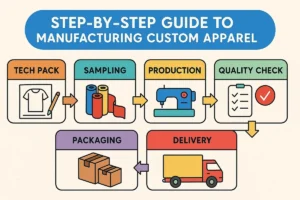
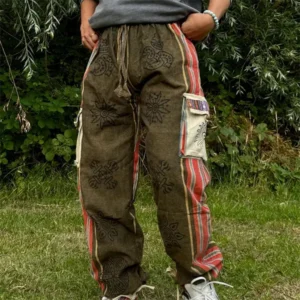
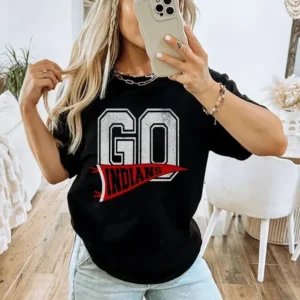
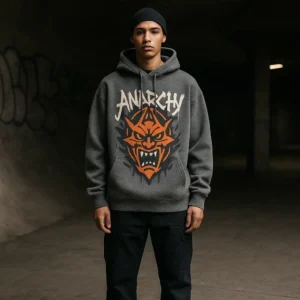
From your first sketch to receiving finished garments, custom clothing production involves a detailed, step-by-step process that ensures product quality and brand consistency. For fashion brands and B2B buyers, understanding this workflow helps reduce mistakes, manage timelines, and improve supplier collaboration.
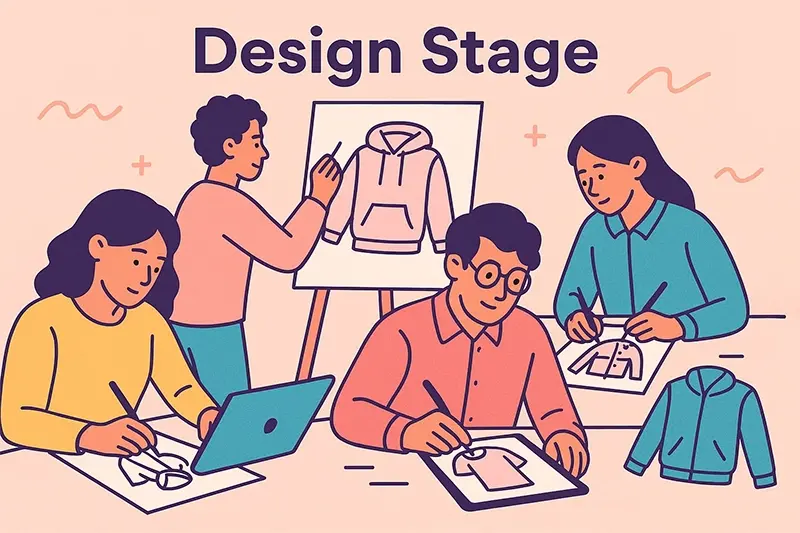
1️⃣ Design & Tech Pack Development
Everything begins with your design idea. But manufacturers don’t work from ideas — they need tech packs.
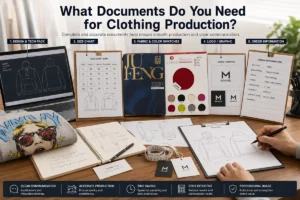
A tech pack includes measurements, materials, stitching instructions, colour references, and artwork files. It serves as your clothing blueprint, ensuring the factory produces exactly what you expect.
🔗 Related: How to Create a Tech Pack for OEM Clothing
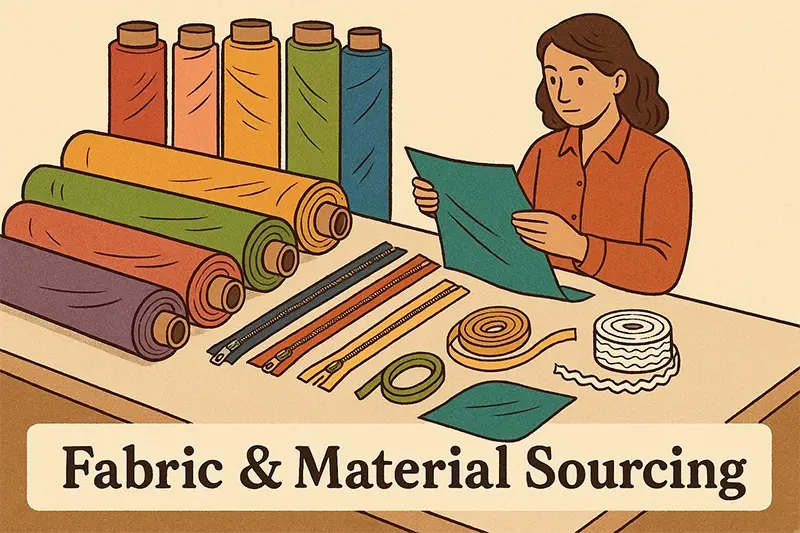
2️⃣ Fabric & Material Selection
After submitting the tech pack, you can choose from the available fabrics and trims. Good manufacturers offer sourcing support based on your needs (organic, recycled, cotton blends, etc.).
You can either:
- Send your fabric swatches.
- Ask the factory to recommend materials.
- Approve fabric lab dips before bulk production.
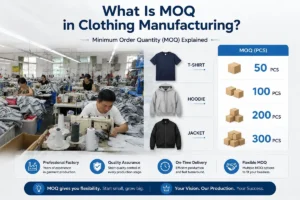
Pro tip: Clarify MOQ per fabric type early to avoid mismatches later.
3️⃣ Sample Development & Approval
Before mass production, a sample garment is created based on your tech pack. This sample allows you to:
- Check sizing accuracy
- Evaluate stitching and quality
- Confirm colour accuracy and print placement
You can request up to 2–3 revisions if needed. Once you approve the final sample, bulk production can begin.
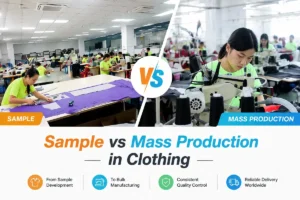
🔗 Related: What’s the Difference Between Samples and Mass Production?
4️⃣ Bulk Production Begins
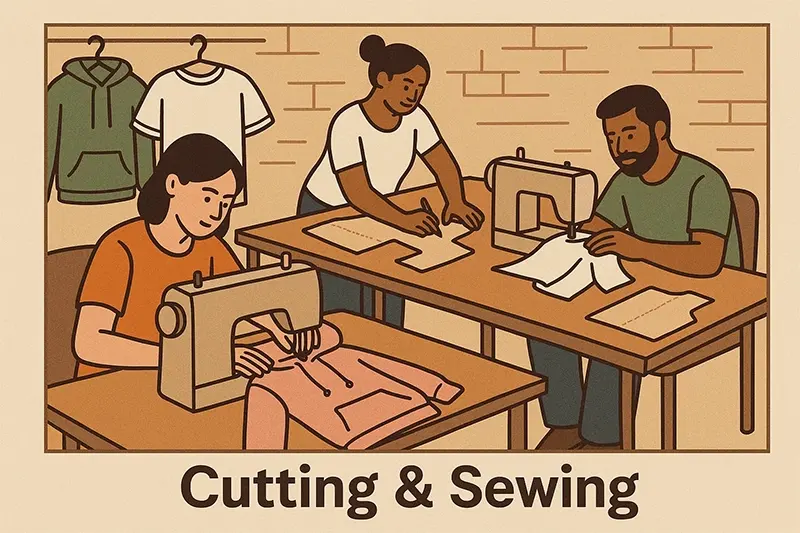
Once you approve the sample and confirm the order, the factory moves to production. This includes:
- Cutting
- Printing or embroidery
- Sewing
- Quality control inspections during production
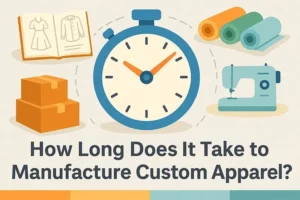
Production lead time varies by order size, season, and factory capacity.
🔗 Related: How Long Does Custom Clothing Production Take?
5️⃣ Quality Control & Packing
Reliable OEM manufacturers like Mingxing Clothing follow strict quality checks at each stage. Common checks include:
- Seam strength tests
- Fabric consistency
- Size conformity
- Print alignment
After QC, garments are folded, poly-bagged, and packed into cartons with your shipping labels or barcodes if required.
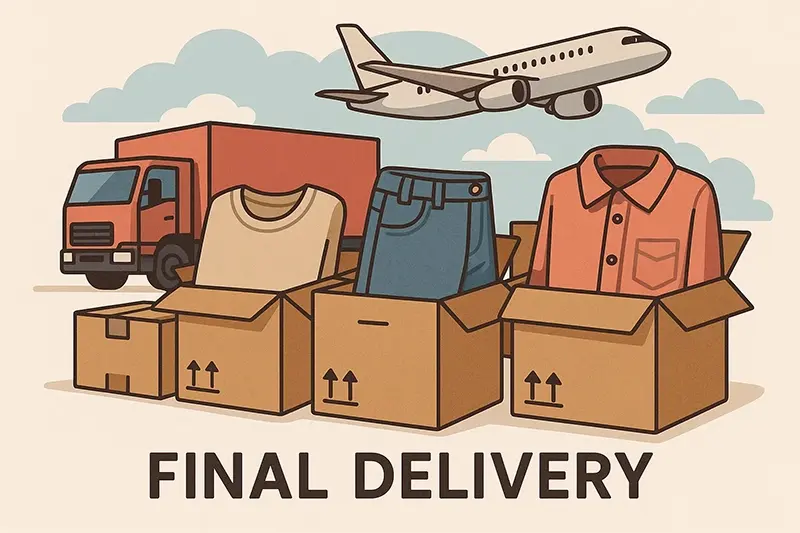
6️⃣ Delivery & Shipping
Finally, the order is shipped based on your delivery preference:
- FOB (Free on Board): You arrange freight pickup
- DDP (Delivered Duty Paid): Supplier handles shipping + duties
- Express Air or Sea Freight, depending on urgency
You’ll receive a packing list, invoice, and shipping documents for customs clearance.
🔗 Related: What Documents Are Needed for Clothing Production?
🧠 Why Understanding the Process Matters
Knowing how custom manufacturing works helps your team:
- Set realistic timelines
- Avoid miscommunication
- Reduce revision rounds
- Improve sampling and final output quality
This is especially crucial for brands scaling production, managing SKUs, or launching new collections.
🏭 How Mingxing Clothing Supports You from Start to Finish
We provide full-service OEM/ODM production, including:
- Tech pack consultation
- Fabric sourcing
- Sample development
- In-house printing & embroidery
- Rigorous QC
- Flexible shipping options
✅ Request a Sample Now
❓FAQs About the Custom Clothing Production Process