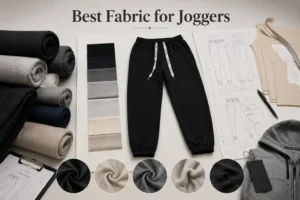
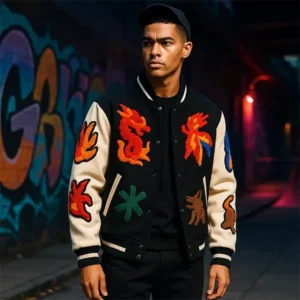
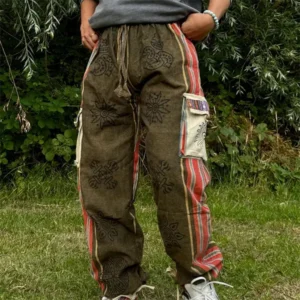
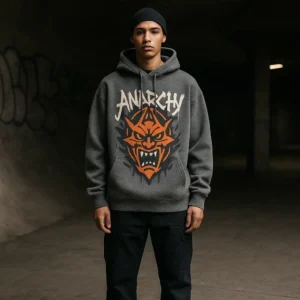
Most people think choosing streetwear fabric is about cotton or fleece. In reality, fabric alone does not define streetwear.
Premium streetwear is created through the combination of silhouette, fabric weight, surface finishing, and material selection. Many brands work with a custom clothing manufacturer to align these elements and turn design ideas into production-ready garments.
If you are developing a streetwear collection, understanding how these factors work together is far more important than choosing a single “best” fabric.
What Defines Premium Streetwear Fabric?
Streetwear is not defined by material—it is defined by identity.
Before selecting fabrics, brands must understand what creates the recognisable look and feel of premium streetwear.
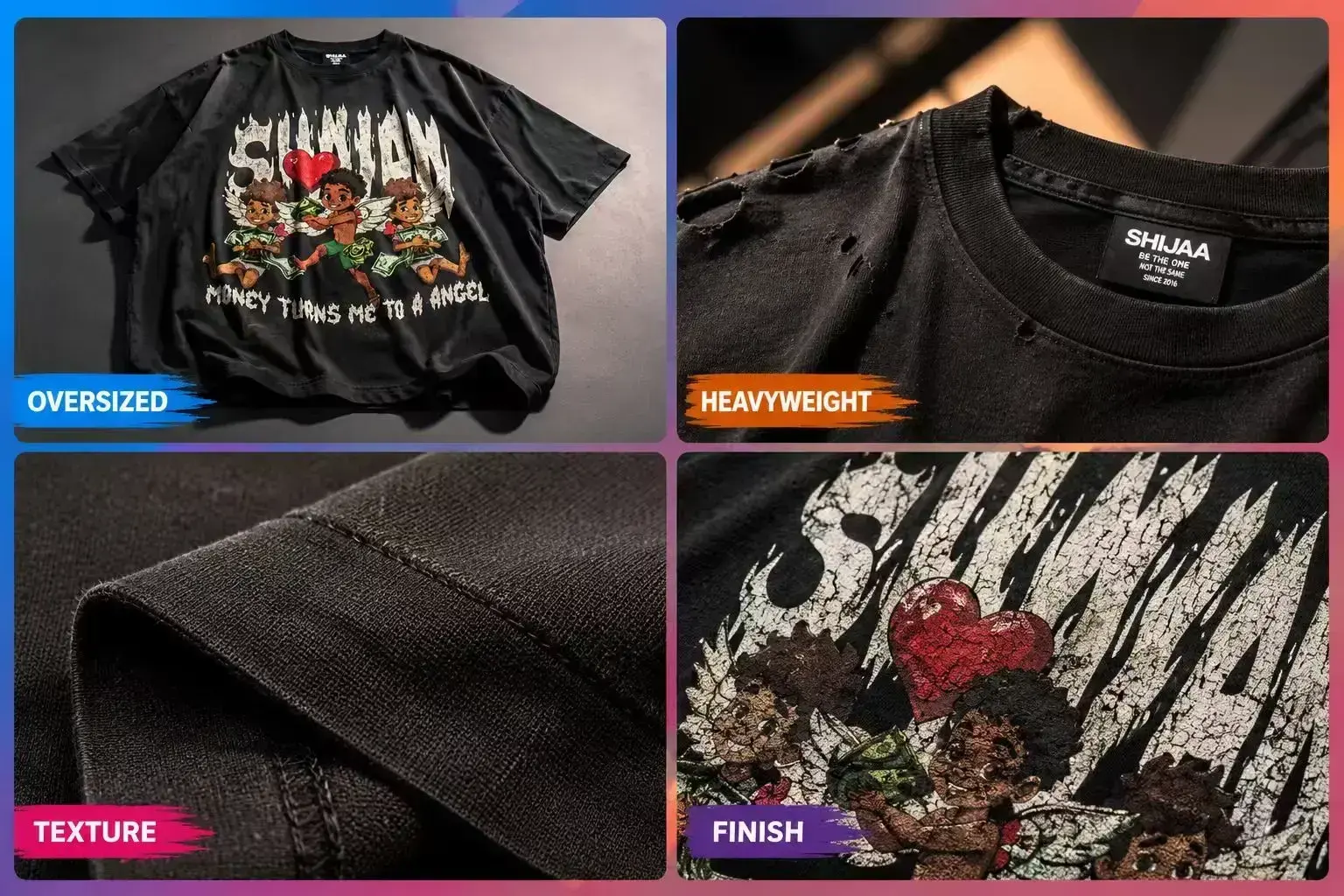
Key Elements of Streetwear Identity
- Oversized silhouette
- Creates a relaxed and modern shape that defines streetwear aesthetics
- Fabric weight
- Determines how the garment drapes and holds its structure
- Surface texture
- Adds visual depth and differentiates premium products
- Garment finishing
- Creates vintage, washed, or worn-in effects
- Overall balance
- Combines fit, weight, and finish into a consistent brand identity
Premium streetwear is defined by silhouette, weight, and finishing rather than fabric alone.
How Do Fabric Weight and Finishing Shape Streetwear?
Fabric weight and finishing are the two most important factors that transform basic garments into premium streetwear.
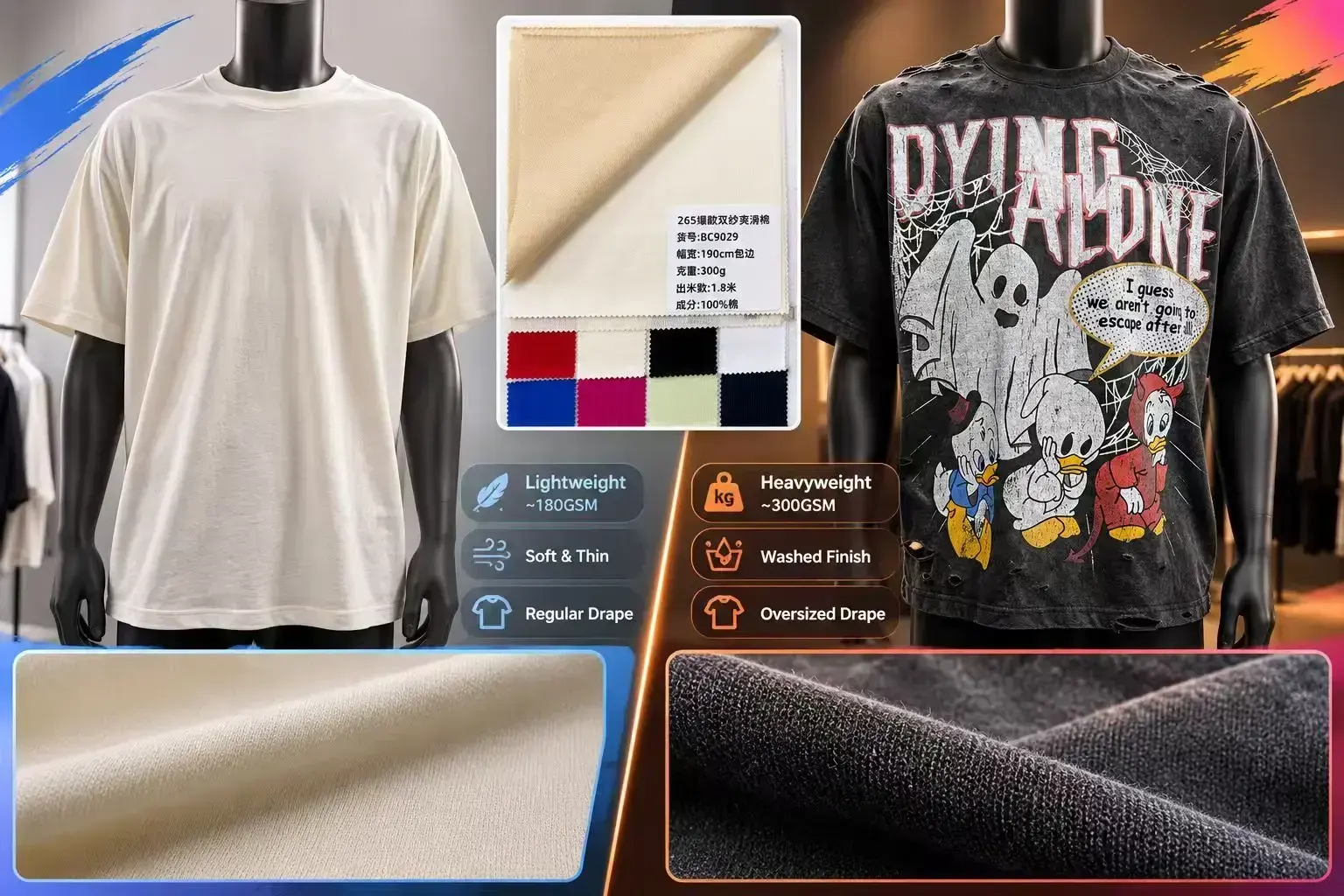
Why Fabric Weight Matters
- Lightweight fabrics create a basic, flat appearance
- Midweight fabrics offer balance between comfort and structure
- Heavyweight fabrics create a premium look with strong drape
How Finishing Changes Fabric Perception
- Garment washing softens fabric and adds character
- Pigment dye creates a vintage, faded effect
- Enzyme wash improves softness and texture
- Surface treatment enhances visual depth
Streetwear Fabric Comparison
Fabric weight and finishing have as much impact on streetwear as the fabric itself.
Which Fabrics Are Commonly Used for Streetwear?
After defining silhouette, weight, and finishing, brands can choose materials that support the intended design.
If you are working across multiple product categories, aligning fabric selection within your custom apparel production strategy helps maintain consistency across your entire collection.
Common Streetwear Fabric Choices
- Heavyweight cotton
- Provides structure, durability, and a premium feel
- French terry
- Offers versatility for both lightweight and midweight designs
- Loopback terry
- Suitable for lighter streetwear collections
- Cotton blends
- Improve durability and production stability
- Brushed fleece
- Used for colder seasons and layered styles
There is no single best fabric—only the best combination for a specific brand identity.
How Should Brands Choose Streetwear Fabrics?
Fabric selection should follow brand direction—not the other way around.
Fabric Selection Checklist
- Define brand identity (minimal, vintage, luxury, oversized)
- Decide silhouette and garment shape
- Choose fabric weight based on desired drape
- Select finishing techniques (wash, dye, treatment)
- Align material with pricing and market positioning
- Ensure consistency for bulk production
Common Mistakes to Avoid
- Choosing fabric before defining brand style
- Ignoring garment finishing
- Using lightweight fabric for premium positioning
- Overlooking washing effects
- Skipping sample validation
The best streetwear fabric depends on identity, weight, finishing, and production goals.
How Do Manufacturers Create Premium Streetwear?
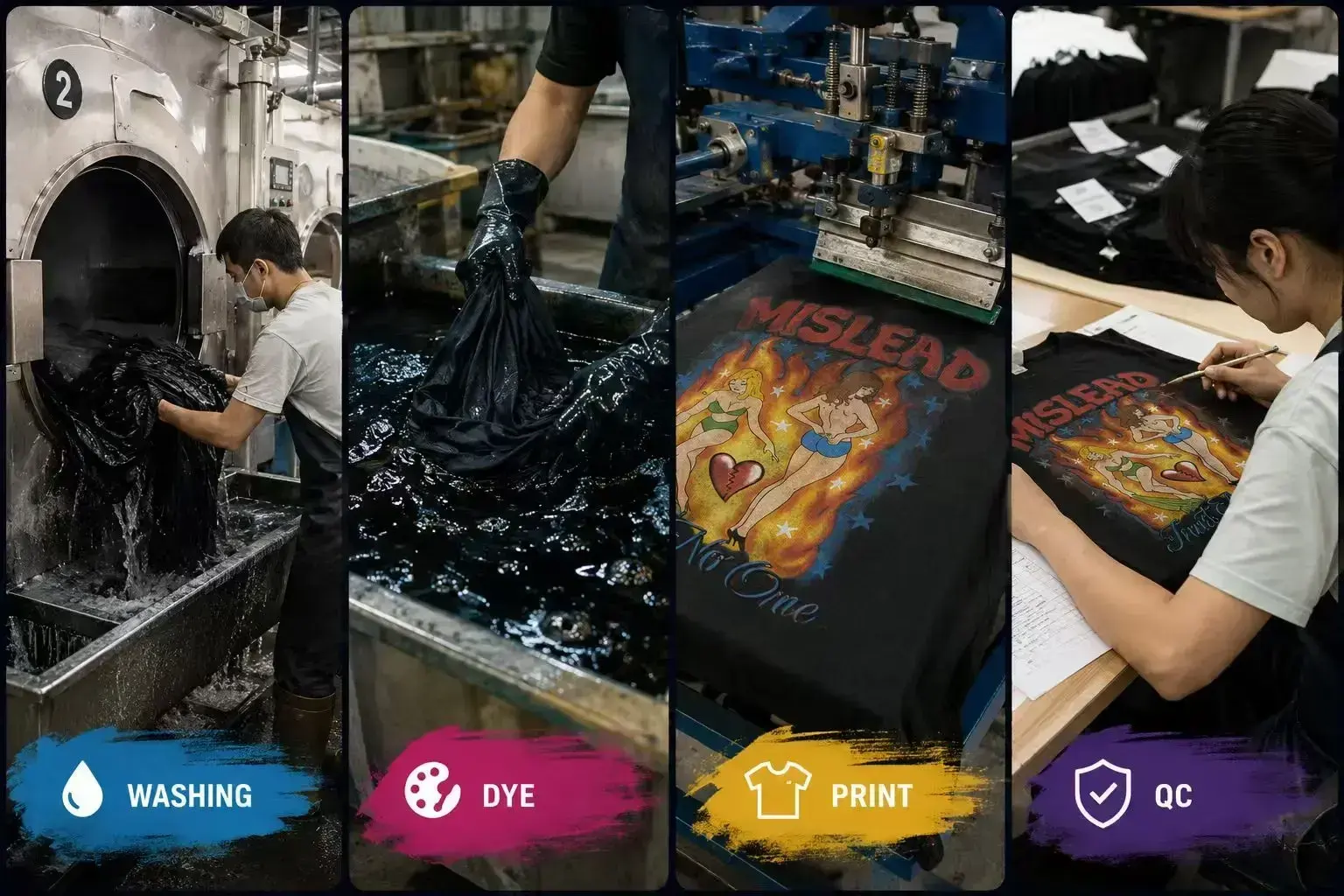
High-quality streetwear is not only designed—it is engineered through controlled production.
Key Production Factors
- Fabric inspection ensures consistent quality
- Garment washing must be controlled for uniform results
- Rib construction affects durability and structure
- Printing compatibility must be tested in advance
- Final quality control ensures every piece meets standards
Garment finishing and production control are as important as fabric selection in streetwear manufacturing.
From Fabric Selection to Streetwear Production
Building a successful streetwear collection requires more than choosing fabric. It involves aligning silhouette, weight, finishing, and production into one consistent system.
If you are developing a streetwear line and need support with fabric selection, garment finishing, and bulk production, contact Mingxing Clothing to discuss your project and receive professional guidance.
FAQS