Why Clothing Sample Prices Differ Between Manufacturers
Many apparel brands are surprised when they request samples from multiple factories and receive very different quotations.
One manufacturer may charge $50.
Another may charge $150.
A third may charge $300 or more.
At first glance, this can feel confusing.
However, sample pricing is influenced by many factors that do not exist in bulk production. Understanding these differences can help buyers evaluate sample costs more effectively and work with the right private label clothing manufacturer.
Quick Answer: Why Are Sample Prices Different?
Sample prices usually vary because of:
- Product complexity
- Development time
- Fabric sourcing
- Pattern making requirements
- Printing and embroidery methods
- Factory policies
- Sample fee refund policies
A higher sample price does not automatically mean a factory is overcharging.
Likewise, a lower sample price does not automatically mean a better deal.
The key is understanding what the sample fee actually covers.
Factory Perspective: Why Factories Charge Sample Fees
Many first-time buyers assume factories make money from samples.
In reality, sample development is often one of the least profitable parts of garment manufacturing.
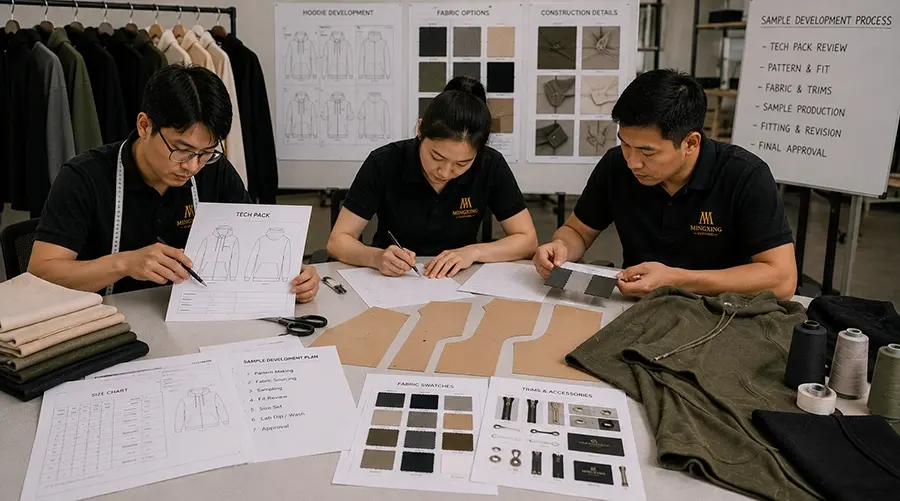
Before a sample can be produced, a factory may need to:
- Review specifications
- Develop patterns
- Source fabrics and trims
- Arrange sample sewing
- Test construction methods
- Communicate revisions
All of these activities require time and labour.
In many cases, the sample fee does not fully cover the actual development cost.
This is why most manufacturers charge sample fees before production begins.
Why Factories Don’t Like Free Samples
One of the most common requests manufacturers receive is:
Can you provide a free sample?
From a factory’s perspective, free samples create several challenges.
A sample still requires:
- Pattern maker time
- Sample room labour
- Fabric sourcing
- Printing or embroidery setup
- Communication and revisions
Unlike bulk production, these costs cannot be spread across hundreds of pieces.
For this reason, most professional manufacturers charge sample fees, especially for custom apparel projects.
Development Samples vs Production Samples
Not all samples serve the same purpose.
Development Sample
Usually created when:
- The product is new
- Patterns must be created
- Specifications are incomplete
- Construction methods need testing
Development samples generally cost more because additional work is required.
Production Sample
Usually created when:
- Patterns already exist
- Specifications are confirmed
- Bulk production preparation has started
Production samples are often less expensive because most development work has already been completed.
Why Development Samples Cost More
Many buyers wonder why the first sample costs significantly more than later revisions.
For example:
- First sample: $180
- Revision sample: $40
The reason is simple.
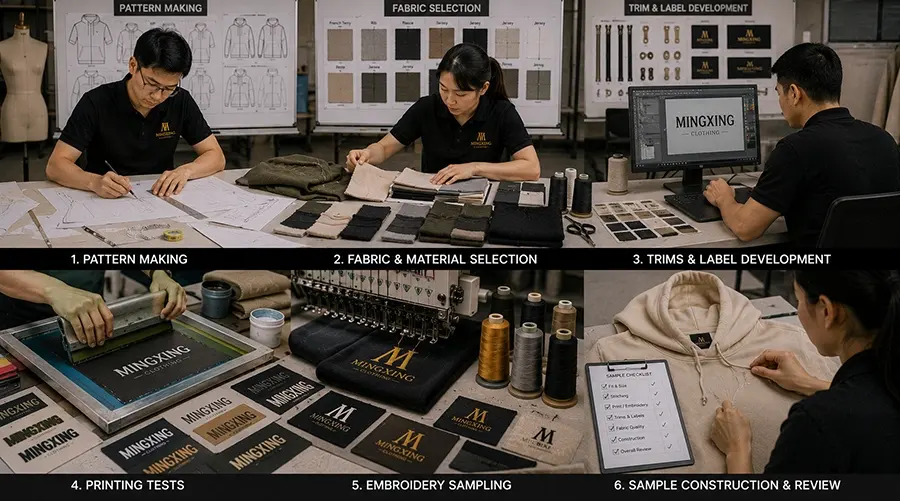
The first sample often includes:
- Pattern development
- Material sourcing
- Technical review
- Initial construction testing
Once these tasks are completed, later revisions require much less work.
The 5 Factors That Usually Affect Sample Pricing
Product Complexity
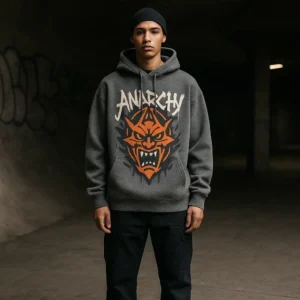
A basic T-shirt requires far less work than a custom hoodie with embroidery, speciality fabrics, and multiple trims.
More complexity usually means higher sample costs.
Pattern Making Requirements
If a factory must create patterns from scratch, additional development time is required.
This is one reason why custom apparel samples often cost more than expected.
Fabric and Material Sourcing
Factories may need to purchase materials specifically for sample development.
This is particularly common when:
- Custom fabrics are required
- Speciality trims are needed
- Fabric suppliers have minimum purchase quantities
Printing and Decoration Methods
Different decoration methods involve different setup costs.
Examples include:
- Screen printing
- Embroidery
- Puff printing
- DTF printing
- Specialty finishes
Complex decoration methods generally increase sample costs.
Factory Development Resources
Some manufacturers have dedicated development teams.
Others rely on production staff to create samples.
Factories investing heavily in product development often charge higher sample fees because additional expertise is involved.
Why Some Factories Refund Sample Fees
One of the most common questions buyers ask is:
Why do some factories refund sample fees while others do not?
Many manufacturers treat samples as an investment in future cooperation.
For this reason, some factories offer sample fee refunds when:
- Bulk orders are placed
- MOQ requirements are met
- The same product proceeds into production
However, policies vary from factory to factory.
Always confirm refund conditions before ordering samples.
A Simple Hoodie Sample Pricing Example
Imagine three factories quoting the same custom hoodie sample.
| Factory | Hoodie Sample Price | Main Difference |
|---|---|---|
| Factory A | $80 | Basic fabric and simple construction |
| Factory B | $150 | Better fabric and embroidery |
| Factory C | $280 | Custom fabric, embroidery, and development work |
At first glance, Factory A appears much cheaper.
However, the sample specifications are not equivalent.
Understanding the differences behind the quotation is often more important than comparing prices alone.
How a Good Sample Reduces Bulk Production Risk
Many buyers view sample fees as an expense.
Experienced brands often view them as insurance.
A well-developed sample can identify:
- Sizing issues
- Fabric problems
- Construction mistakes
- Printing defects
- Fit concerns
Spending $100–200 during the sample stage may prevent thousands of dollars in mistakes during bulk production.
The purpose of sampling is not simply to create one garment.
The purpose is to reduce risk before production begins.
When Is a Cheap Sample a Risk?
A very low sample price may indicate:
- Limited development support
- Lower-quality materials
- Minimal fitting adjustments
- Simplified construction
- Reduced communication during development
This does not mean every low-cost sample is problematic.
However, buyers should understand exactly what is included.
When Is a Higher Sample Price Worth Paying For?
A higher sample fee may provide value when it includes:
- Better development support
- Experienced pattern makers
- Material recommendations
- Multiple fitting adjustments
- Better production preparation
In many cases, a good sample reduces costly mistakes during bulk production.
Many brands find that strong custom apparel production support during sampling saves money later in the manufacturing process.
Sample Cost Evaluation Checklist
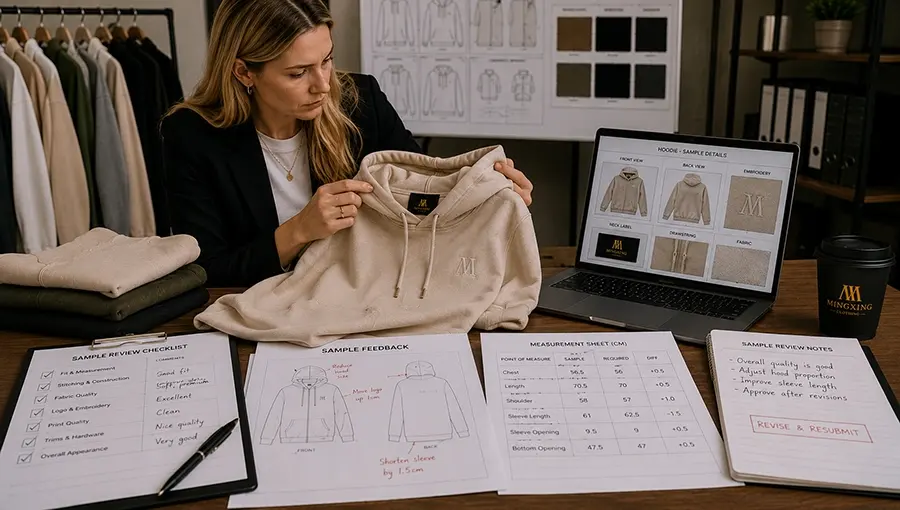
Before approving a sample quotation, ask:
✓ Does the sample require new pattern development?
✓ Are custom materials involved?
✓ Are printing or embroidery methods complex?
✓ Will the sample fee be refunded after bulk production?
✓ What revisions are included?
✓ What support is included during development?
✓ How does the sample help reduce production risk?
The answers often explain why sample prices differ between factories.
Ready to Evaluate Sample Costs More Effectively?
The best sampling decisions come from understanding what is included in the development process, not simply choosing the lowest price.
If you’re planning a new clothing project and would like guidance on sample development, Contact Mingxing Clothing.
FAQs
Why are sample prices usually higher than bulk production prices?
Samples require development work, pattern creation, material sourcing, and individual production, all of which increase costs.
Do all factories refund sample fees?
No. Refund policies vary by manufacturer and should always be confirmed before ordering.
Should I ask for a free sample?
For custom clothing projects, free samples are uncommon because factories must invest time, labour, and materials into development.
Why do custom hoodies usually cost more to sample than T-shirts?
Hoodies typically require more fabric, more sewing operations, and often more customisation than basic T-shirts.
Should I choose the cheapest sample quotation?
Not automatically. Evaluate development support, materials, communication quality, and production readiness alongside pricing.
Share With
Related Articles

Hot Products