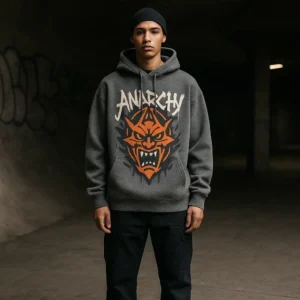
Why Clothing Prices Vary Between Manufacturers
Many apparel brands are surprised when they receive very different quotes for what appears to be the same product.
One factory may quote $5 per piece.
Another may quote $8.
A third may quote $11.
At first glance, the products seem identical.
However, clothing pricing is influenced by far more than the final garment itself. Understanding these differences can help buyers make better sourcing decisions and work more effectively with an experienced apparel manufacturer.
Quick Answer: Why Are Clothing Prices Different?
Manufacturers may quote different prices because of:
- Fabric quality
- Construction details
- Printing and embroidery methods
- MOQ requirements
- Quality control standards
- Production efficiency
- Profit margins
A lower quote does not automatically mean better value.
Likewise, a higher quote does not automatically mean higher quality.
The key is understanding what is actually included in each quotation.
Factory Pricing Perspective: How Manufacturers Calculate Prices
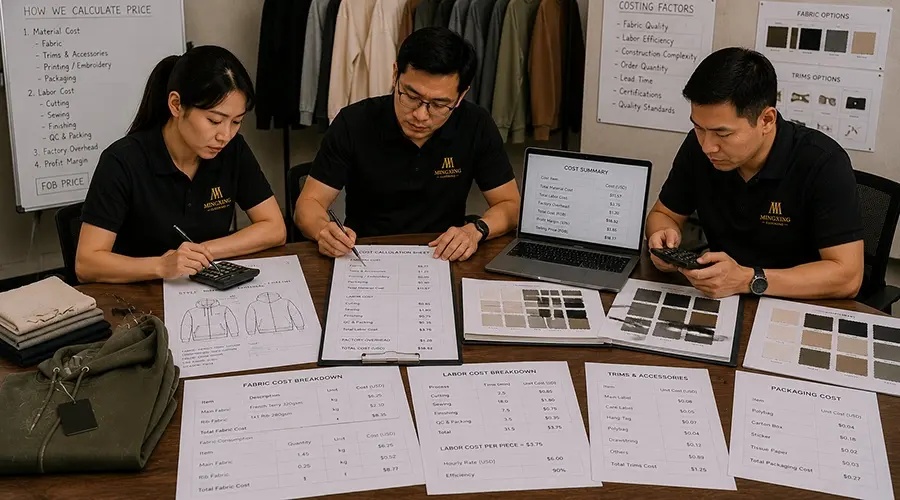
Most factories do not choose prices randomly.
A typical clothing quotation is based on several cost components:
- Fabric cost
- Labor cost
- Printing or embroidery cost
- Trims and accessories
- Packaging
- Quality control
- Factory overhead
- Profit margin
When one or more of these costs change, the final price changes as well.
This is why two manufacturers can quote very different prices for what appears to be the same garment.
What Most Buyers Compare Wrong
Many buyers compare quotes like this:
| Factory | Price |
|---|---|
| Factory A | $5 |
| Factory B | $8 |
| Factory C | $11 |
The natural reaction is:
Why should I pay more?
The problem is that this comparison ignores what each supplier is actually offering.
A better question is:
What am I getting for the price?
What Usually Has the Biggest Impact on Price?
Not every factor affects pricing equally.
| Factor | Typical Impact |
|---|---|
| Fabric | ⭐⭐⭐⭐⭐ |
| Construction & Sewing | ⭐⭐⭐⭐ |
| Printing & Embroidery | ⭐⭐⭐⭐ |
| MOQ | ⭐⭐⭐ |
| Quality Control | ⭐⭐ |
| Packaging | ⭐⭐ |
In most apparel projects, fabric is the largest cost driver.
That is why garments that look similar in photos can have very different prices.
Fabric Quality
Fabric is often the largest cost component in garment production.
Differences may include:
- Fabric composition
- Fabric weight
- Fabric supplier
- Fabric finishing
- Color consistency
Two hoodies may look nearly identical while using completely different fabrics.
Construction and Workmanship
Small construction differences can significantly affect labour costs.
Examples include:
- Reinforced seams
- Complex stitching
- Extra panels
- Special trims
- Garment washing
Higher workmanship standards generally increase production costs.
Printing and Decoration Methods
A simple screen print and a premium embroidery design may look similar from a distance.
The production costs can vary widely.
Examples include:
- Screen printing
- DTF printing
- Embroidery
- Puff printing
- Specialty effects
Decoration choices often create large price differences between suppliers.
MOQ and Production Efficiency
Factories usually operate more efficiently at higher quantities.
A supplier quoting a low MOQ may charge a higher unit price to compensate for lower production efficiency.
This is one reason why manufacturers offering similar products may provide very different quotations.
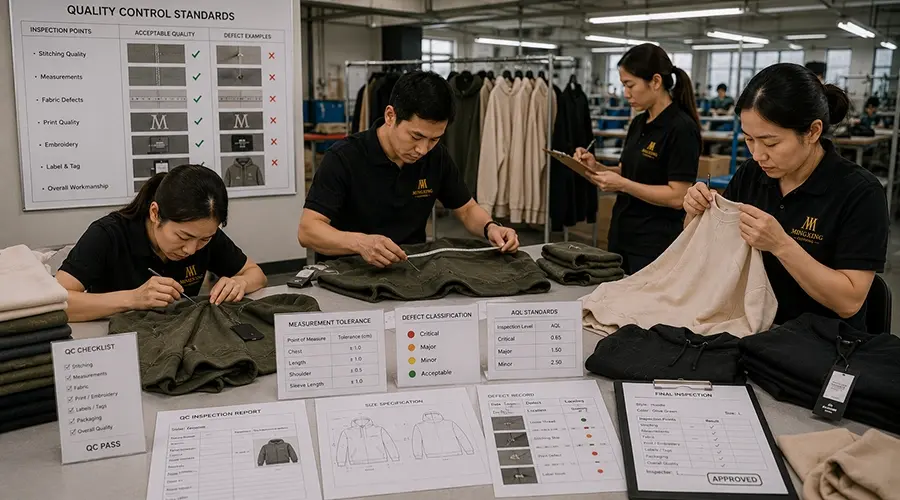
Quality Control Standards
Not all factories inspect products in the same way.
Some manufacturers perform:
- In-line inspections
- Final inspections
- Measurement checks
- Packaging inspections
More quality control generally increases production costs but reduces quality risks.
Many buyers discover that stronger custom clothing manufacturing services often include more comprehensive quality control processes.
A Simple Pricing Example
Imagine three factories quoting the same hoodie design.
| Factory | Price | Main Difference |
|---|---|---|
| Factory A | $6 | 260gsm fabric |
| Factory B | $8 | 320gsm fabric |
| Factory C | $10 | 420gsm fabric + embroidery |
At first glance, Factory A appears cheaper.
However, the materials and decoration methods differ.
The price difference is often the result of different specifications rather than unreasonable pricing.
How to Compare Clothing Quotes Correctly
Instead of comparing price alone, compare the following areas.
Evaluation Area Questions to Ask
Fabric Are materials identical?
Construction Are sewing details the same?
Decoration Are printing methods equivalent?
MOQ Is quantity the same?
QC Standards Are inspections included?
Packaging Is packaging included?
The more similar these factors are, the more meaningful the price comparison becomes.
Hidden Costs Buyers Often Miss
A low quotation may not always represent the final cost.
Additional charges sometimes appear later for:
- Custom labels
- Custom packaging
- Fabric upgrades
- Additional QC requirements
- Special trims
- Sample revisions
Always confirm exactly what is included in the quoted price.
When Is the Cheapest Quote a Risk?
A very low quote may indicate:
- Lower-grade materials
- Simplified construction
- Limited quality control
- Hidden exclusions
- Production shortcuts
This does not mean every low-priced supplier is unreliable.
However, buyers should understand exactly what is included before making decisions.
When a Higher Quote Saves Money
A higher quotation may actually reduce total costs when it provides:
- Better materials
- Lower defect rates
- Stronger quality control
- More reliable communication
- Better production consistency
- Fewer production delays
The cheapest quote is not always the lowest-cost decision in the long run.
Price Comparison Checklist
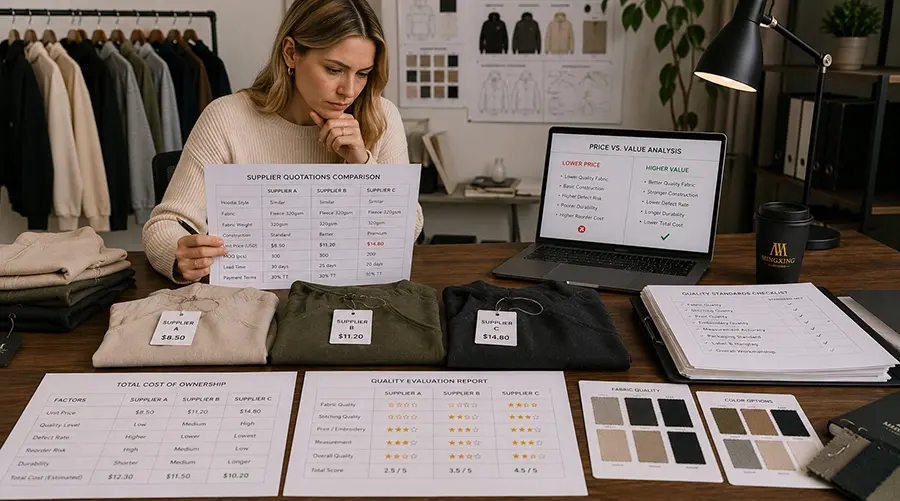
Before choosing a manufacturer, ask:
✓ Are the fabrics truly identical?
✓ Are decoration methods the same?
✓ Is the MOQ the same?
✓ Are quality standards comparable?
✓ Is packaging included?
✓ What services are included in the quote?
✓ Are there any additional charges not listed?
If these questions cannot be answered clearly, comparing prices becomes difficult.
Ready to Compare Manufacturer Quotes More Effectively?
The best sourcing decisions come from understanding value, not simply choosing the lowest price.
If you’re currently evaluating supplier quotations and would like professional feedback on pricing, quality, and production requirements, Contact Mingxing Clothing.
FAQs
Why can two manufacturers quote very different prices for the same design?
Differences in fabric quality, workmanship, decoration methods, MOQ, and quality control standards can significantly affect pricing.
Does a higher price always mean better quality?
No. Buyers should verify what is included in the quotation before making assumptions.
Why do some manufacturers ask more questions before quoting?
The more complete the information, the more accurate the quotation. Experienced manufacturers usually ask detailed questions before providing pricing.
Is fabric usually the biggest cost factor?
In many apparel products, yes. Fabric often accounts for the largest portion of production cost.
Should I choose the lowest quote?
Not automatically. Evaluate materials, quality standards, communication, and production capabilities alongside pricing.
Share With
Related Articles



Hot Products