Launching a clothing line isn’t just about great designs—it’s about putting those designs in front of the right buyers at the right time. This guide lays out a step-by-step plan that blends branding, digital acquisition, wholesale partnerships, and eCommerce optimisation so you can launch with confidence and scale sustainably.
Why Marketing & Sales Strategies Matter for Apparel Startups
Without a clear go-to-market plan, even strong products struggle to gain traction. A strategy connects your positioning, channel mix, budgets, and sales goals—so each campaign compounds instead of starting from zero.
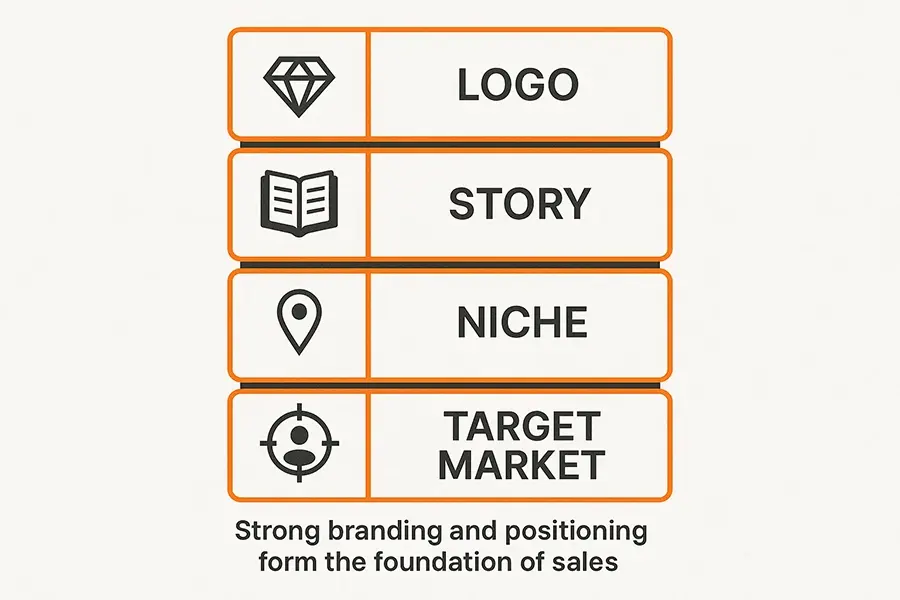
Build a Strong Brand Identity
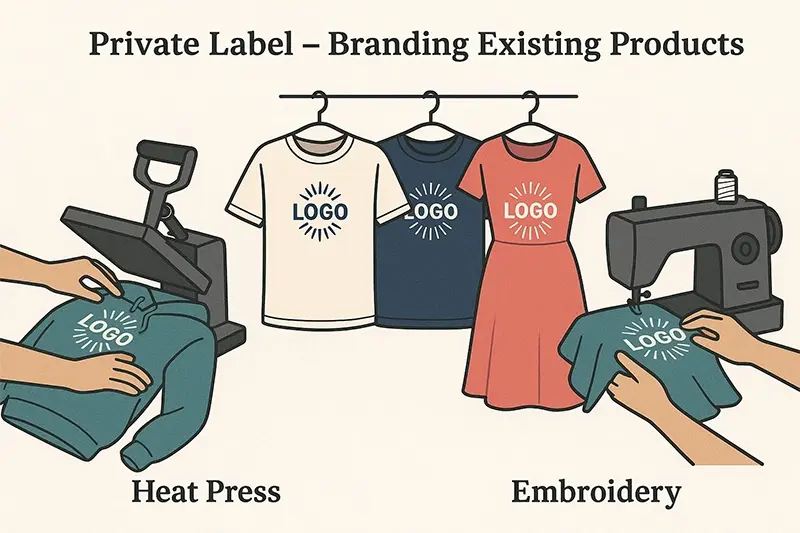
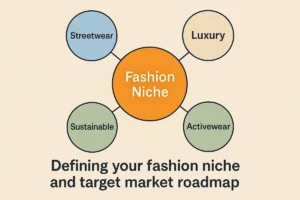
A sharp identity gives your launch a consistent story across channels. Define brand pillars (aesthetic, tone, value promise) and align them to a tight hero assortment. For early traction, many founders validate with basics; a focused capsule anchored by private-label T-shirt manufacturing helps establish recognition and price expectation before expanding.
Messaging Framework
Create a one-page script: who it’s for, the problem you solve, and why you’re different. Reuse this in ads, product pages, outreach emails, and wholesale decks.
Launch Calendar
Plan a 6–8 week runway: teasers → waitlist → sample reveals → pre-sale → shipping updates. Tie each milestone to specific content and KPIs.
Messaging Framework
Create a one-page script: who it’s for, the problem you solve, and why you’re different. Reuse this in ads, product pages, outreach emails, and wholesale decks.
Launch Calendar
Plan a 6–8 week runway: teasers → waitlist → sample reveals → pre-sale → shipping updates. Tie each milestone to specific content and KPIs.
Leverage Digital Marketing & Social Media
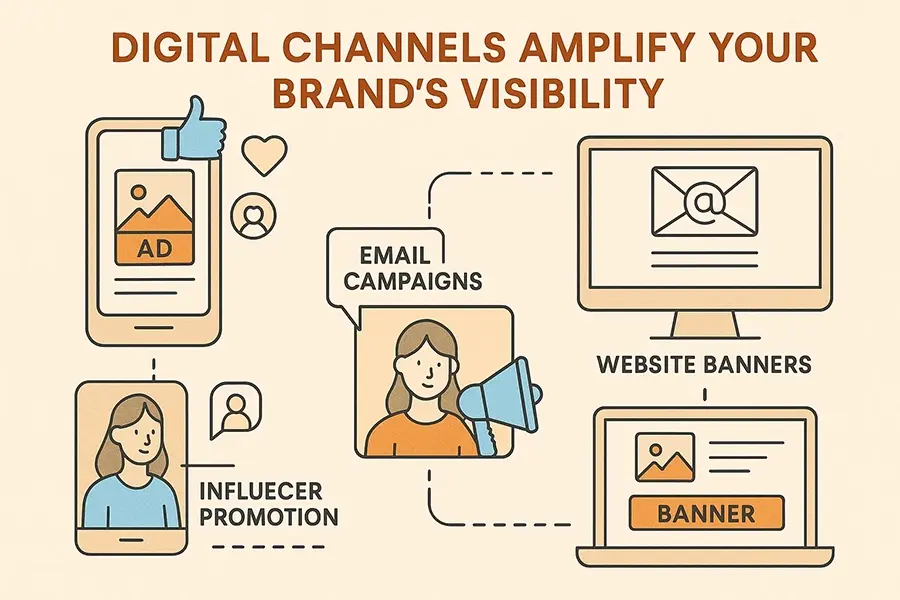
Digital channels drive awareness and early conversions when used with intent. Start with 1–2 primary platforms and master them before adding more.
Organic & Influencers
Publish short-form video (fit checks, behind-the-scenes, UGC challenges). Seed 20–50 micro-creators pre-launch; measure saves, comments, and link clicks rather than vanity followers.
Paid Acquisition
Run lightweight tests across 3 audiences per platform (interest, lookalike, remarketing). Optimize for cost-per-add-to-cart first, then scale to purchase.
Email & SMS
Build a pre-launch waitlist, then automate: welcome → education → social proof → limited-time offer. Aim for 30–40% of launch-day revenue from owned channels.
Explore Wholesale & B2B Sales Channels
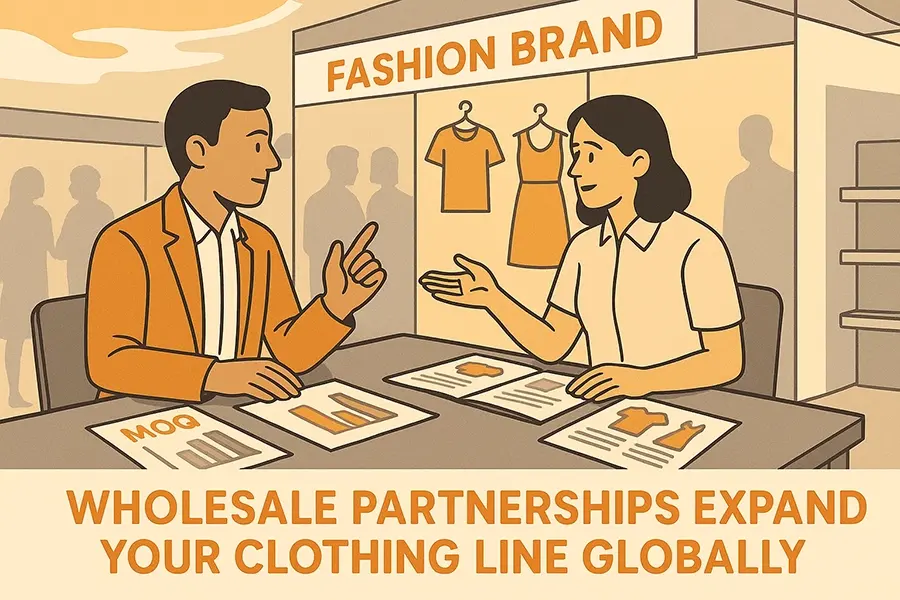
Wholesale brings predictable volume and credibility. It requires a clean line sheet, pricing discipline, and on-time delivery.
Buyer Outreach & Trade Shows
Research retailers by price tier and style, then pitch with a tight 6–12 SKU story. Book appointments at regional shows; bring samples and order forms. Performance or athleisure capsules often gain traction—consider presenting [custom tracksuit sets] when targeting active retailers.
Terms & Margin Math
Offer reasonable MOQs and reorder timelines. Protect margin with volume-based discounts instead of blanket cuts. Track chargebacks and returns to refine packaging and QC.
Optimise Commerce & Direct-to-Consumer.
Your store is the control centre for creativity and data. Ensure fast load, crisp imagery, and conversion-focused PDPs (clear sizing, materials, care, reviews). For factory-direct insights and scalable customisation options, explore Mingxing Clothing, where we share sourcing, sampling, and production playbooks for D2C growth.
On-Site Conversion
Use sticky ATC, size guides, and urgency cues (limited colourways, pre-order windows). Bundle essentials, offer free exchanges, and surface UGC on PDPs.
Content & SEO
Publish buyer-intent posts (styling guides, care guides, fit explainer). Interlink to product pages and collection hubs; target queries tied to your Focus Keyword and category terms.
From Launch to Long-Term Growth
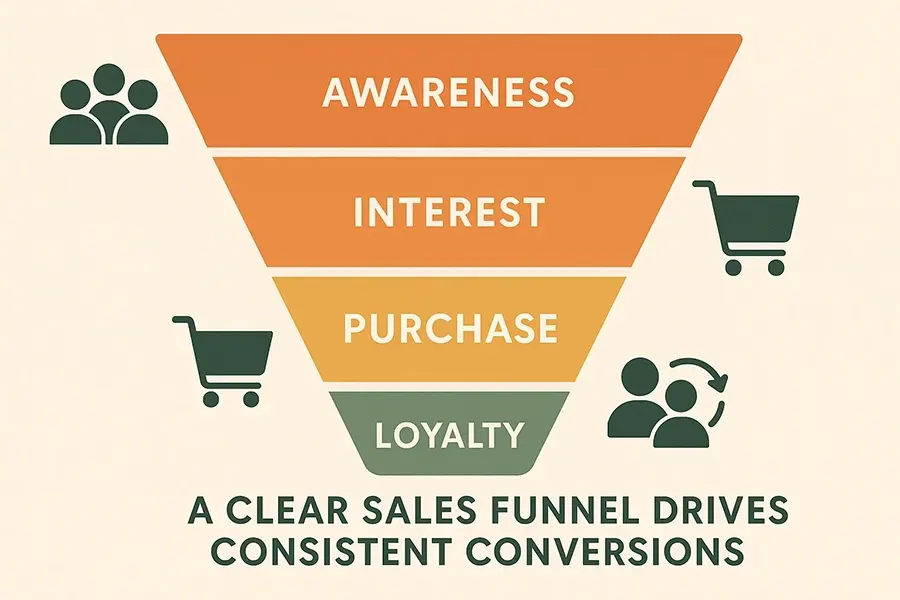
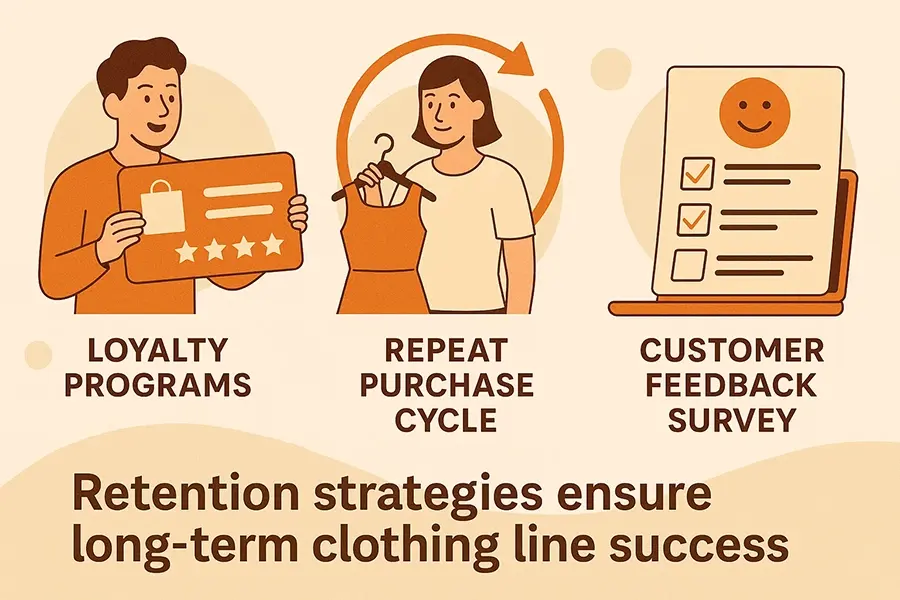
Post-launch, shift focus to retention and predictable cash flow. Implement loyalty tiers, reorder nudges, and seasonal capsules. Review channel contribution, CAC vs. LTV, and inventory turns monthly. If you need help turning your plan into production, you can Contact Us to request samples, get a cost breakdown, and align OEM/ODM timelines with your launch calendar.
FAQs