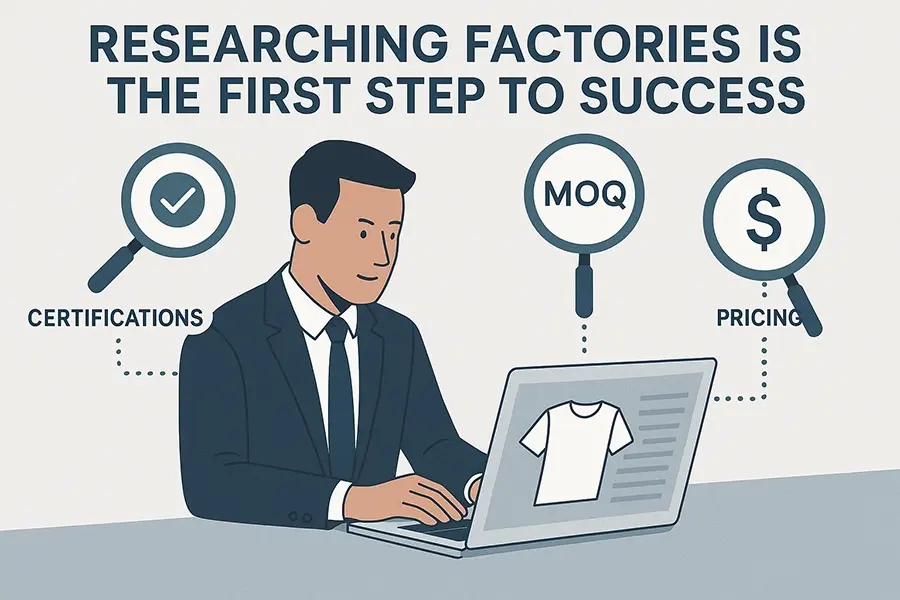
Finding the right clothing manufacturer is one of the most important steps for building a fashion brand. Your choice of supplier will directly influence product quality, pricing, timelines, and long-term scalability. This guide outlines how to search, vet, and collaborate with manufacturers to ensure smooth apparel production.
Why Choosing the Right Clothing Manufacturer Matters
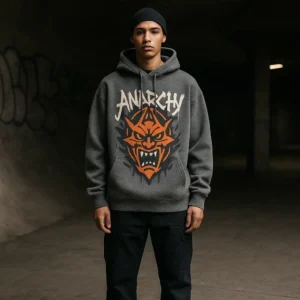
Your manufacturer acts as both partner and producer. For startups, factories that can support smaller MOQs in categories such as hoodie manufacturing options give brands the flexibility to test the market before scaling. Poor choices can lead to delays, miscommunication, or compromised quality.
How to Find Clothing Manufacturers
There are multiple ways to source reliable factories. Using more than one channel gives you better options to compare.
Online Platforms & Directories
B2B platforms like Alibaba, MakersRow, or regional directories list thousands of manufacturers. Always verify company history, export licenses, and customer reviews before moving forward.
Trade Shows & Industry Networks
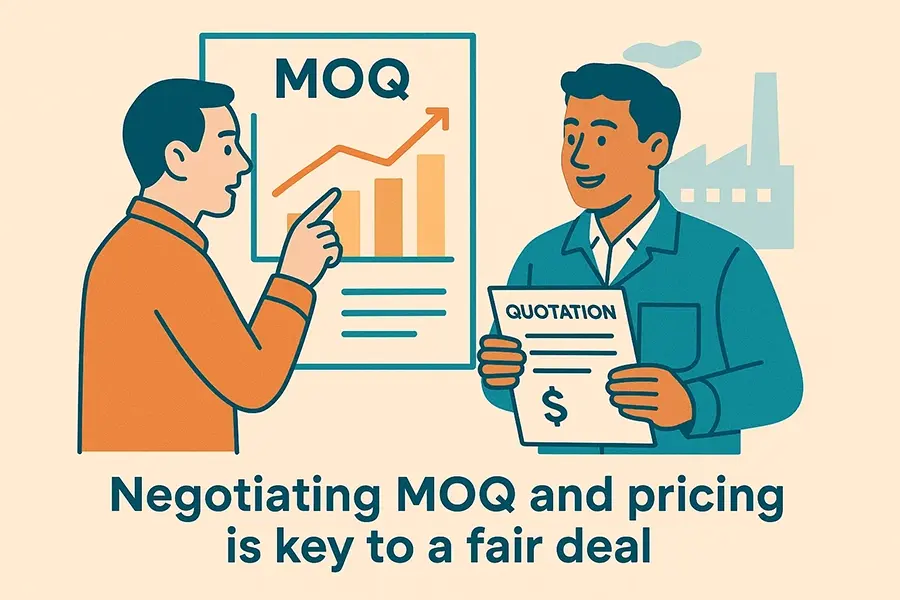
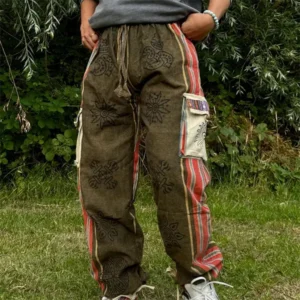
Exhibitions such as the Canton Fair or MAGIC Las Vegas allow you to meet suppliers in person, review samples, and negotiate MOQs. Many factories also showcase capabilities in tracksuits, T-shirts, or outerwear during these events.
Referrals & Supply Chain Recommendations
Leverage your network. Many brands discover their first factory through agent introductions or recommendations from existing suppliers. Referrals often lead to better trust and quicker onboarding.
How to Vet & Select the Right Manufacturer
Not all factories will fit your needs. Systematic vetting helps reduce risks and ensures alignment.
Capability & Product Fit
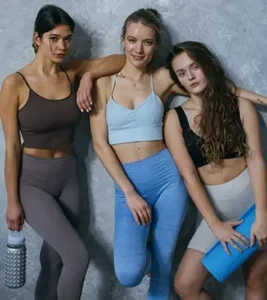
Confirm that the factory has experience producing your target category. A specialist in outerwear is ideal for jackets but may not suit lightweight activewear.
Certifications & Compliance
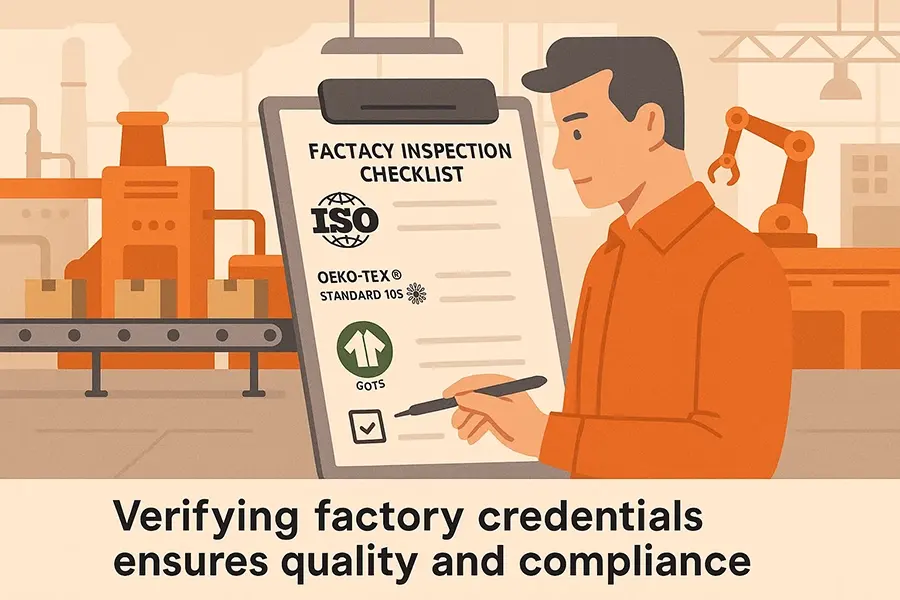
Check if the manufacturer holds certifications like OEKO-TEX, GOTS, or ISO9001. Compliance ensures your brand can meet international standards and appeal to eco-conscious buyers.
Sampling & Quality Evaluation
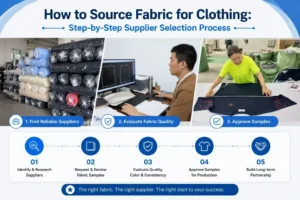
Request samples early and test for stitching quality, shrinkage, and fit. PPS (Pre-Production Samples) serve as the benchmark for bulk runs and demonstrate how well a factory understands your tech pack.
Building Strong Communication & QC Processes
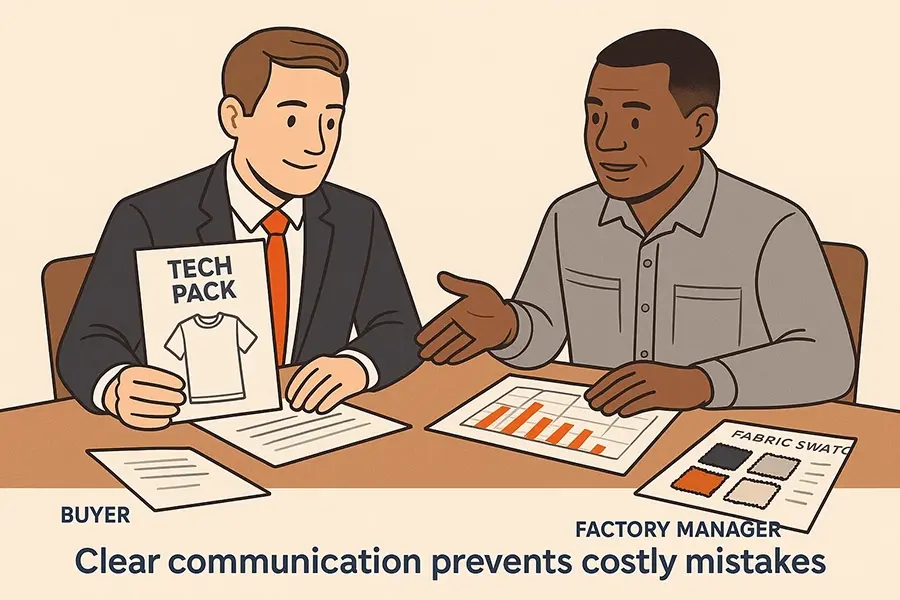
Clear communication and agreed-upon QC checkpoints are vital for success. Provide complete tech packs, align on lead times, and establish inspection standards such as AQL. Strong processes reduce production risks and help avoid misunderstandings during scaling.
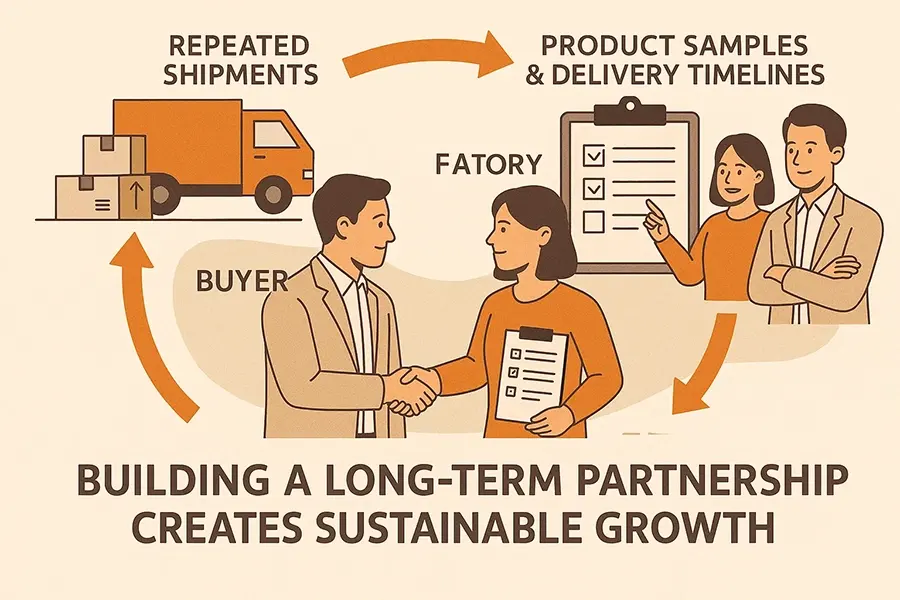
From First Order to Long-Term Partnership
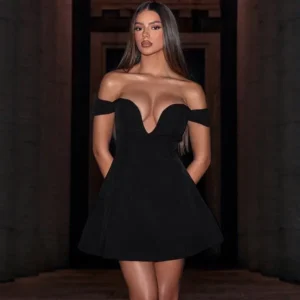
Start small with trial orders to validate performance. Once trust is established, gradually increase volumes and negotiate better terms. For premium womenswear brands, stricter QC is essential. Many boutiques depend on customised dress services to maintain brand reputation and deliver high-end quality.
Partnering with the right supplier can accelerate your growth and reduce costly risks. For more insights and resources, you can explore Mingxing Clothing to learn more about our sourcing capabilities, customisation options, and manufacturing expertise.
Would you be ready to take the next step? You can Contact Mingxing Clothing to request samples, evaluate fabric swatches, and discuss OEM/ODM production tailored to your brand’s niche.
FAQs