Why Defining a Niche & Target Market Matters in Fashion
Your niche shapes product design, marketing strategy, and supply chain choices. When you define your target market, you can negotiate with OEM clothing manufacturers more effectively, align MOQ with demand, and avoid costly missteps.
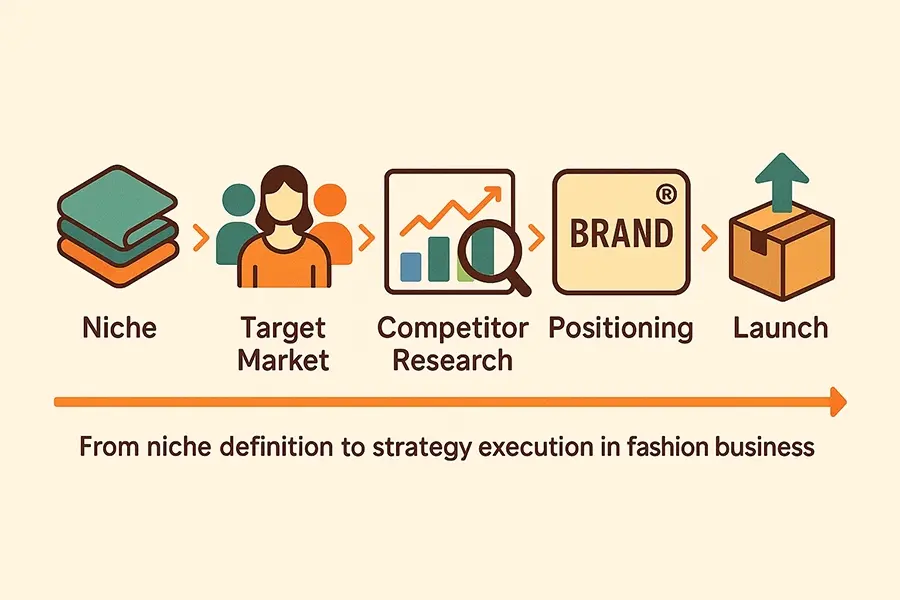
Steps to Define Your Fashion Niche
It seems that defining your niche requires thorough research and alignment with your product strategy. These steps will help you narrow down your focus and connect with the right customers.
Research Market Trends & Competitors
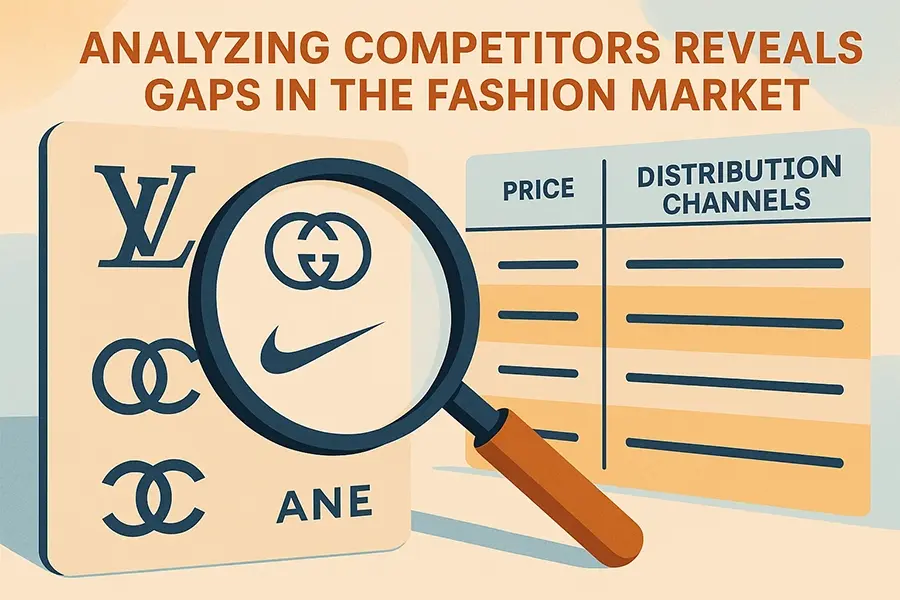
Analyse fashion trends, competitor offerings, and gaps in the market. Use tools like Google Trends, Instagram insights, and retail reports.
Target Market Analysis for Apparel Brands
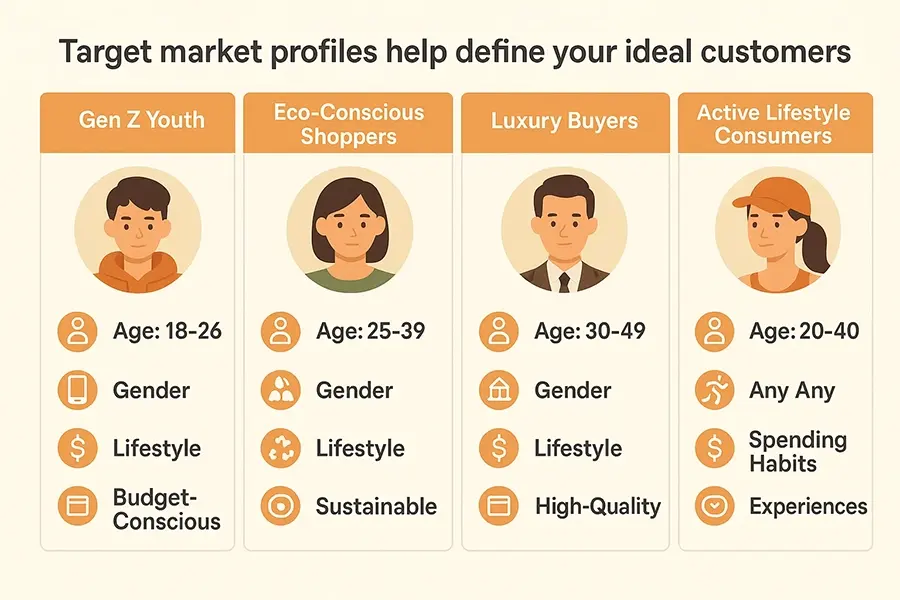
Once you’ve chosen your niche, analysing the target market in detail ensures your brand can scale profitably. Consider pricing, customer behaviour, and purchasing motivations.
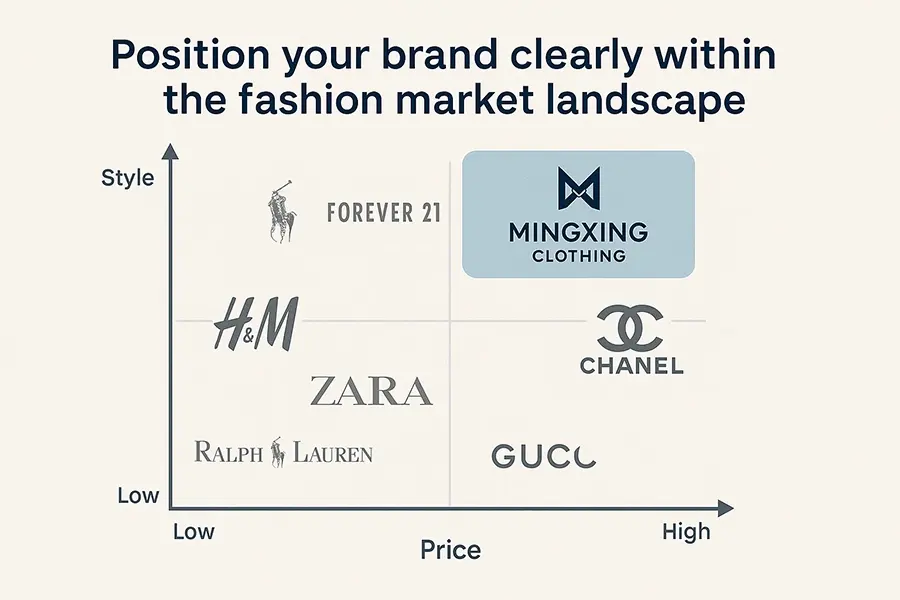
Price Positioning & Buying Power
Determine how much your audience can spend. Low-cost basics appeal to mass markets, while premium categories demand higher perceived value.
Psychographics & Style Preferences
Understand your customer’s values, aesthetics, and motivations. Sustainability-minded buyers may expect eco fabrics and certifications like OEKO-TEX or GOTS.
Fashion Niche Examples for Startups
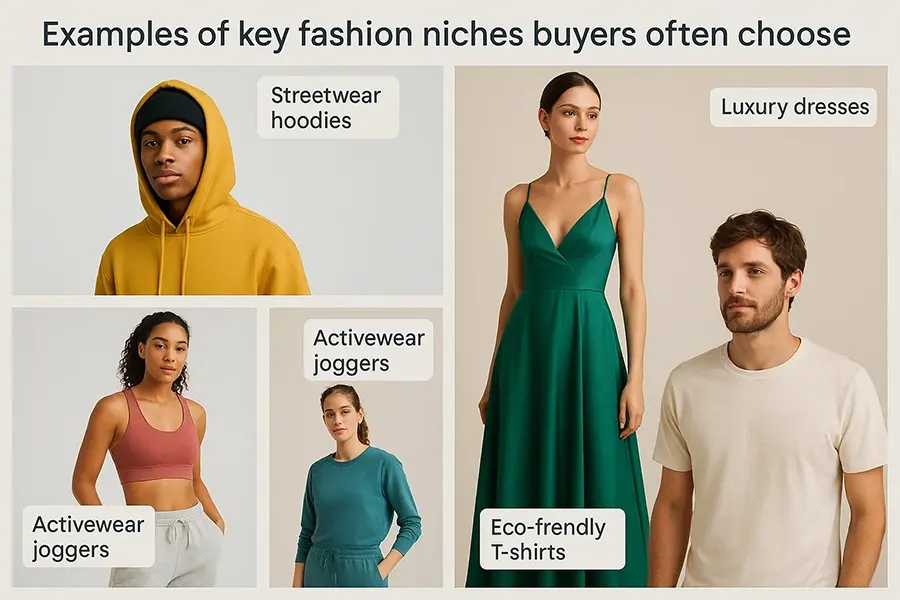
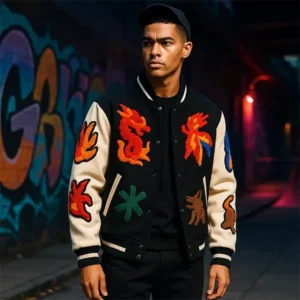
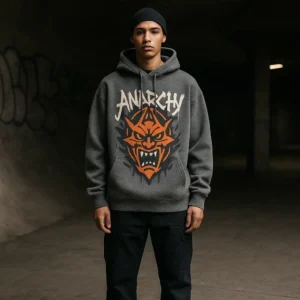
- Streetwear: Oversized fits, bold graphics, urban styling
- Athleisure: Performance fabrics, comfort-focused joggers, tracksuits
- Luxury Basics: Premium cotton T-shirts, minimalist branding
- Eco-Friendly Fashion: Organic cotton hoodies, recycled polyester jackets
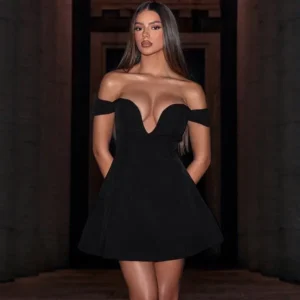
- Event Wear: Dresses and tailored jackets for formal occasions
Aligning Niche with Sourcing & Manufacturing
Once your niche is clear, sourcing and production decisions become easier. Choosing fabrics, trims, and factories aligned with your target market ensures better quality control and scalability. If you’re ready to move forward, you can contact Mingxing Clothing to source fabrics, create samples, and scale your brand with OEM/ODM solutions.
FAQs