How to Get Your Clothing Designs Manufactured
You have a clothing design.
It may be a sketch, a tech pack, an AI-generated concept, a Pinterest inspiration image, or simply an idea for your future brand.
The challenge is no longer creating the design.
The challenge is turning that design into a real product.
Many startup apparel brands know what they want to create but are unsure what happens next. Finding a manufacturer, developing samples, revising details, and preparing for production can feel overwhelming without prior experience.
Fortunately, most successful apparel products follow a similar development process.
This guide explains how to turn your clothing designs into production-ready garments, from the initial concept to bulk manufacturing.
Step 1: Prepare Your Design
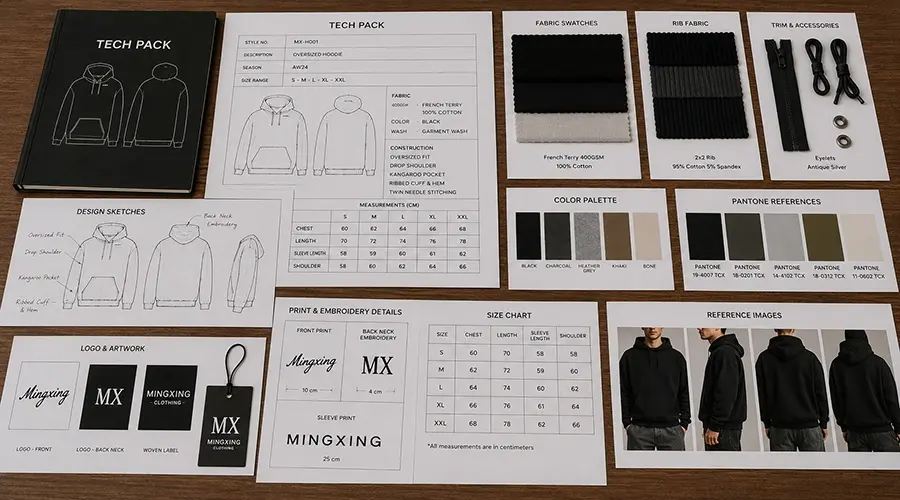
Before contacting a manufacturer, organise as much product information as possible.
The more information you provide, the easier it becomes for a manufacturer to evaluate your project, estimate costs, and begin sample development.
Common design materials include:
- Tech packs
- Product sketches
- Reference images
- Existing garments
- Fabric references
- Branding requirements
You do not need perfect documentation before contacting a manufacturer, but clearer information usually leads to faster development and fewer misunderstandings.
Step 2: Find the Right Manufacturer
Choosing the right manufacturer is one of the most important decisions in the entire process.
Not every factory specialises in the same products, fabrics, or production methods.
When evaluating manufacturers, consider:
- Product experience
- Sample development capability
- MOQ compatibility
- Communication quality
- Production capacity
- Quality control standards
Questions worth asking include:
- Have you produced similar products before?
- What is your minimum order quantity?
- Do you offer sample development?
- What is your typical production lead time?
- Which markets do you primarily serve?
Many brands spend considerable time finding the right clothing manufacturer because the development experience often determines the success of the entire project.
Step 3: Submit Your Design Information
Once you have identified a suitable manufacturer, the next step is sharing project information.
Useful information typically includes:
Product Design
Sketches, technical drawings, reference images, or product photos.
Logo Files
Vector files such as AI, PDF, EPS, or SVG formats are preferred whenever possible.
Size Specifications
Measurements, size charts, or fit references.
Fabric Preferences
Fabric composition, weight, texture, and performance requirements.
Quantity Estimates
Expected order quantities help manufacturers evaluate production feasibility.
Packaging Requirements
Custom labels, hangtags, polybags, and packaging details.
Providing complete information usually results in faster quotations and more accurate project evaluation.
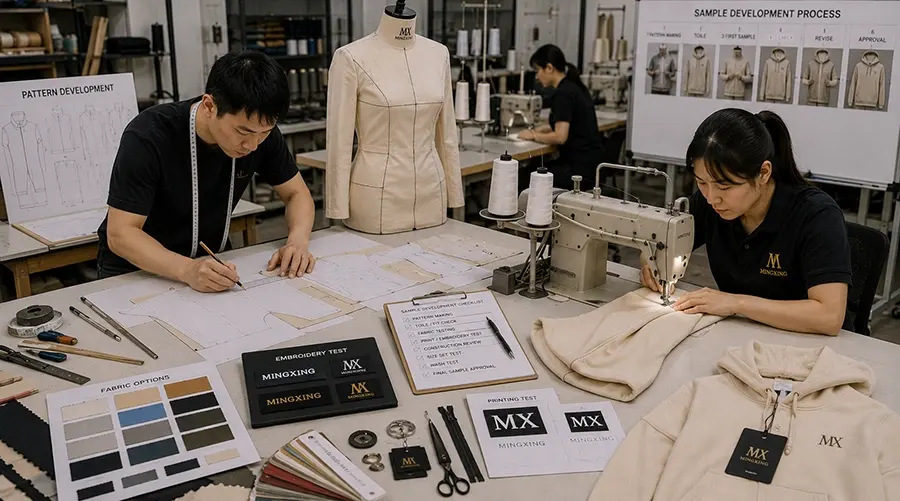
Step 4: Develop Your First Sample
Once the manufacturer has reviewed your design information, the next step is creating the first physical version of the garment.
Sample development is where your design begins to become a real product.
This stage typically includes:
Pattern Making
Creating production patterns based on your design specifications.
Material Sourcing
Finding suitable fabrics, trims, labels, and accessories.
Sample Sewing
Constructing the first physical version of the garment.
Decoration Testing
Testing printing, embroidery, patches, or other customisation methods.
The purpose of sample development is not only to create a prototype but also to identify potential production challenges before bulk manufacturing begins.
Step 5: Review and Revise the Sample
Few products move directly from the first sample to bulk production.
Most apparel projects go through one or more rounds of revisions.
Common adjustments include:
- Fit corrections
- Fabric changes
- Logo placement adjustments
- Construction improvements
- Branding updates
This stage helps ensure that the final product meets both design expectations and production requirements.
Sample revisions are a normal part of the apparel development process and should be expected during most projects.
Step 6: Approve the Final Sample
Before investing in bulk production, brands should confirm that every important detail meets expectations.
Important approval areas include:
- Garment fit
- Fabric quality
- Logo application
- Label details
- Construction quality
- Packaging requirements
The approved sample becomes the production standard for the bulk order.
Every garment produced later should match this approved version as closely as possible.
Step 7: Move Into Bulk Production
After sample approval, the project moves into manufacturing.
Typical production stages include:
Fabric Ordering
Materials are purchased according to approved specifications.
Production Planning
Production schedules and workflows are organised.
Bulk Manufacturing
Garments are produced according to the approved sample.
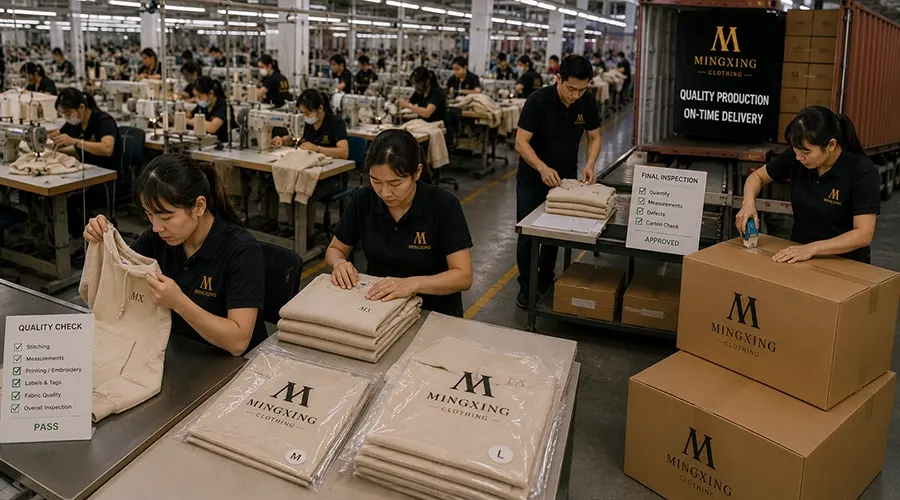
Quality Inspection
Products are inspected before shipment.
Shipping
Finished products are packed and delivered to the customer.
Typical Timeline for Clothing Development
Every project is different, but a typical development schedule often looks like this:
| Stage | Typical Timeline |
|---|---|
| Design Review | 1–3 Days |
| Fabric Sourcing | 3–7 Days |
| Sample Development | 10–15 Working Days |
| Sample Revisions | 3–10 Days |
| Bulk Production | 30–35 Working Days |
Projects involving custom fabrics, speciality trims, or complex construction may require additional time.
Example: Turning a Hoodie Design Into Production
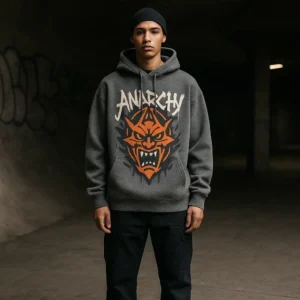
A startup brand wants to launch a custom oversized hoodie.
The brand begins by sharing reference images, logo files, and sizing requirements.
After reviewing the project, the manufacturer develops the first sample using the selected fabric and construction method.
The brand requests several fit adjustments and logo placement changes before approving the final sample.
Once approved, bulk fabric is ordered, production is scheduled, and manufacturing begins.
This process illustrates how a design concept gradually becomes a finished product.
What If You Only Have an Idea?
Many startup brands do not begin with a complete tech pack.
Common starting points include:
- Hand sketches
- Pinterest inspiration images
- AI-generated concepts
- Existing garments
- Competitor product references
An experienced manufacturer can often help transform these ideas into production-ready products through sample development, material sourcing, and technical guidance.
The most important step is starting the conversation.
Can You Manufacture Clothing Without a Tech Pack?
Yes.
Although a tech pack improves communication and reduces development mistakes, many manufacturers can work from:
- Reference photos
- Existing garments
- Design sketches
- Product concepts
However, projects without a tech pack often require additional communication during development and sample revisions.
For complex garments, creating a tech pack can significantly improve development efficiency.
Can Manufacturers Help Improve Your Design?
Many startup brands assume manufacturers only produce what they receive.
In reality, experienced manufacturers often provide valuable feedback during development.
Examples include:
- Recommending more suitable fabrics
- Improving construction methods
- Simplifying production processes
- Suggesting alternative decoration methods
- Improving production feasibility
Good manufacturers help brands balance design goals, production efficiency, and budget requirements.
Will Manufacturers Steal My Design?
This is one of the most common concerns among startup brands.
In reality, most professional manufacturers receive hundreds of product inquiries every year.
For reputable factories, long-term customer relationships are significantly more valuable than copying individual designs.
Experienced manufacturers understand that trust is essential for successful partnerships.
If additional protection is required, brands can discuss confidentiality agreements and intellectual property protections before sharing sensitive information.
For most projects, selecting an experienced and reputable manufacturer is the best way to reduce concerns.
How Much Does Clothing Sample Development Cost?
Sample development costs vary significantly depending on product complexity.
Factors affecting sample pricing include:
- Pattern development
- Fabric sourcing
- Printing requirements
- Embroidery requirements
- Product complexity
- Custom trims and accessories
A simple T-shirt sample and a fully customised heavyweight hoodie sample may have completely different development costs.
Why Sample Costs Are Higher Than Bulk Production
Sample development often includes:
- Pattern development
- Material sourcing
- Technical preparation
- Setup work
- One-off production
These costs are absorbed by a single garment rather than spread across hundreds of units.
As a result, sample pricing is usually much higher than bulk production pricing per piece.
Brands planning development should also understand broader clothing manufacturing costs before evaluating production budgets.
Common Mistakes When Developing Clothing Designs
Many delays and misunderstandings can be avoided with better preparation.
- Sending low-resolution logo files – Manufacturers often require vector artwork for accurate printing and embroidery production. Low-quality files frequently result in additional revisions.
- Providing incomplete measurements – Missing sizing information can create fit problems and extend the sample development process.
- Not specifying fabric requirements – Fabric selection directly affects appearance, comfort, performance, and manufacturing costs.
- Requesting quotations without quantity estimates – Production quantities influence both feasibility and pricing. Without quantity information, accurate quotations become difficult.
- Expecting perfect first samples – Most products require revisions before reaching final approval.
- Changing specifications repeatedly – Frequent design changes can increase costs and extend development timelines.
Ready to Turn Your Design Into a Real Product?
Moving from a design concept to a finished garment can seem complicated, but the process becomes much easier when you work with an experienced manufacturer.
Whether you have a complete tech pack or only an initial idea, understanding the development process can help you move from concept to production more efficiently.
Contact Mingxing Clothing to discuss your project and explore the next steps for sample development and manufacturing.
FAQs
Do I Need a Tech Pack Before Contacting a Manufacturer?
A tech pack is not required, but it is highly recommended. It helps manufacturers understand your design, sizing, construction details, and branding requirements more accurately. If you do not have one, sketches, reference images, or existing garments can often be used to begin development.
Can I Manufacture Clothing With Only a Sketch?
Yes. Many projects begin with sketches, inspiration photos, or product concepts. However, providing additional information such as fabric preferences, size specifications, and logo files will help manufacturers develop samples more accurately.
What Is the First Step After Finishing My Design?
The first step is organizing your project information before contacting manufacturers. Useful materials include design sketches, reference images, logo files, size charts, fabric requirements, and estimated order quantities.
Can Manufacturers Help Improve My Design?
Yes. Experienced manufacturers often recommend better fabrics, construction methods, or production solutions. Their goal is to help ensure your design can be manufactured efficiently while maintaining quality standards.
How Long Does It Take to Turn a Design Into Production?
For many apparel projects, sample development takes approximately 10–15 working days. After sample approval, bulk production typically requires 30–35 working days, depending on product complexity and material availability.
Share With
Related Articles
Hot Products