How Much Does Clothing Manufacturing Cost?
You’re ready to develop a custom clothing product.
You have a design idea, a target market, and perhaps even a logo.
Before contacting manufacturers, one question usually comes first:
How much does clothing manufacturing cost?
The challenge is that custom clothing manufacturing does not have a fixed price. A basic T-shirt, a premium hoodie, and a fully customised tracksuit may all require completely different materials, production processes, and labour costs.
Understanding what affects manufacturing costs can help apparel brands plan budgets, compare quotations more effectively, and avoid unexpected expenses during production.
Quick Answer: How Much Does Clothing Manufacturing Cost?
Manufacturing costs vary significantly depending on product specifications.
Below are general industry reference ranges for bulk production:
| Product Type | Typical Manufacturing Cost |
|---|---|
| Basic T-shirt | $3–8 |
| Polo Shirt | $5–12 |
| Hoodie | $10–25 |
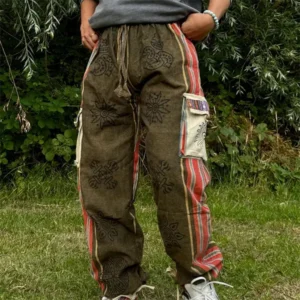
| Sweatpants | $8–18 |
| Tracksuit Set | $18–45+ |
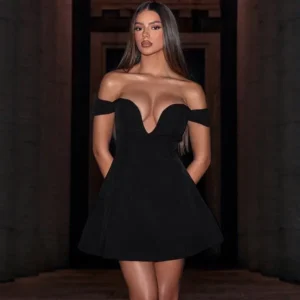
| Dress | $8–30+ |
| Jacket | $15–60+ |
Important: These figures are industry reference ranges only.
Actual manufacturing costs depend on fabric quality, garment construction, customisation requirements, order quantity, packaging, and production complexity.
Two products that look similar may have completely different manufacturing costs.
Why There Is No Fixed Clothing Manufacturing Cost
Many first-time buyers expect manufacturers to provide a standard price list.
In reality, custom clothing manufacturing works differently.
Unlike standardised retail products, every project has unique requirements.
A hoodie can vary significantly depending on:
- Fabric weight
- Fabric composition
- Printing method
- Embroidery requirements
- Label customization
- Packaging requirements
- Order quantity
This is why accurate pricing requires detailed product specifications rather than a simple product description.
Why Clothing Manufacturing Costs Vary So Much
Many buyers are surprised when different factories provide very different quotations for the same product.
The reason is that manufacturers are often quoting based on different assumptions.
Factors that commonly create pricing differences include:
- Fabric quality
- Sewing construction
- Quality control standards
- Decoration methods
- Packaging specifications
- Factory experience
- Production efficiency
A factory quoting $8 for a hoodie may not be manufacturing the same hoodie as a factory quoting $15.
This is why understanding clothing production pricing is often more important than simply comparing unit prices.
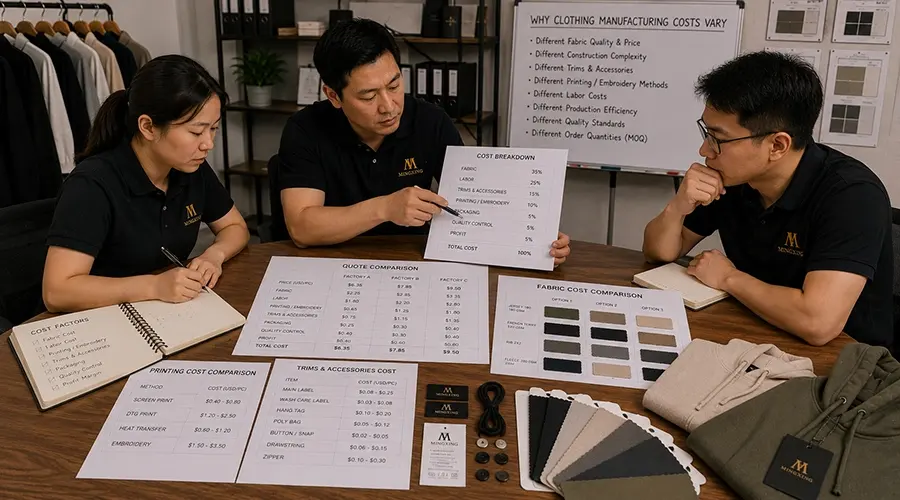
Where Does Your Manufacturing Budget Go?
Although every project is different, apparel manufacturing costs are typically distributed across several areas.
| Cost Area | Typical Share |
|---|---|
| Fabric | 40–60% |
| Labor | 20–30% |
| Printing / Embroidery | 5–20% |
| Labels & Packaging | 3–10% |
| Quality Control & Overhead | Remaining Cost |
Fabric is often the largest cost component, which is why fabric selection has such a significant impact on final pricing.
The Main Factors That Affect Clothing Manufacturing Costs
Fabric Selection
Fabric is usually the biggest factor affecting garment costs.
Pricing varies based on:
- Material composition
- Fabric weight (GSM)
- Dyeing methods
- Finishing treatments
- Performance features
Premium fabrics generally increase manufacturing costs significantly.
Order Quantity
Larger orders typically reduce unit costs.
For example:
| Quantity | Cost Impact |
|---|---|
| 100 pcs | Highest unit cost |
| 500 pcs | Improved efficiency |
| 1000 pcs+ | Lower unit cost |
Factories can spread setup and production costs across more units.
Printing and Embroidery
Customisation methods directly affect garment pricing.
Examples include:
- Screen printing
- Puff printing
- DTF printing
- Embroidery
- Specialty finishes
More complex decoration methods generally increase costs.
Labels and Packaging
Many brands underestimate these expenses.
Additional costs may include:
- Woven labels
- Printed labels
- Hangtags
- Custom polybags
- Branded packaging
While these items may seem small individually, they contribute to the overall manufacturing budget.
Product Complexity
Simple garments require fewer production steps.
Products involving:
- Multiple panels
- Specialty fabrics
- Garment washing
- Technical construction
- Custom trims
Typically cost more to manufacture.
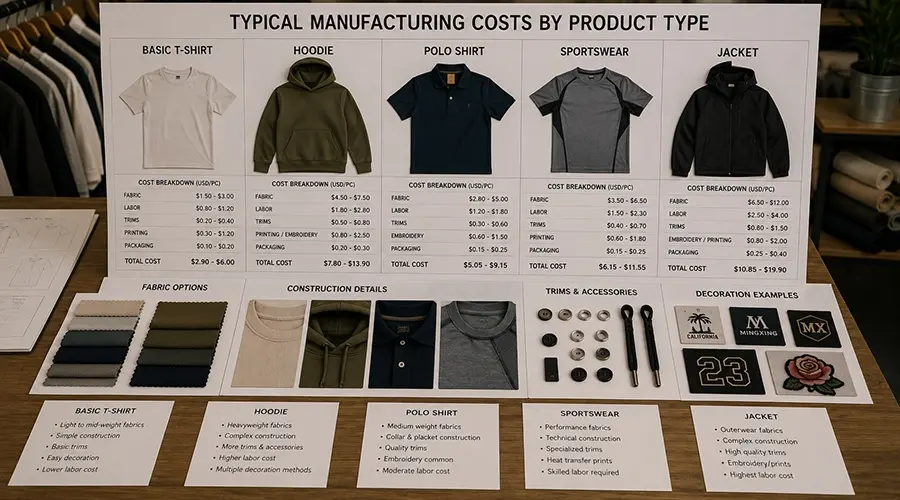
Typical Manufacturing Costs by Product Type
Different garments require different materials, labour, and production processes.
Custom T-shirts
Typical range:
$3–8 per piece
Pricing depends heavily on:
- Fabric weight
- Printing requirements
- Order quantity
- Label customization
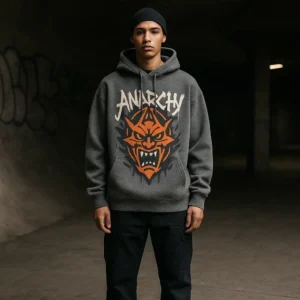
Custom Hoodies
Typical range:
$10–25 per piece
Factors affecting hoodie costs include:
- Fabric weight
- Brushed fleece vs French terry
- Embroidery
- Custom trims
Custom Tracksuits
Typical range:
$18–45+ per set
Costs increase due to:
- Two-garment construction
- Additional labor
- More fabric consumption
Custom Dresses
Typical range:
$8–30+ per piece
Dress pricing varies significantly depending on design complexity and fabric selection.
Custom Jackets
Typical range:
$15–60+ per piece
Jackets often require the highest manufacturing investment because of construction complexity and material usage.
Sample Cost vs Bulk Production Cost
One of the most common questions from apparel brands is:
Why does a sample cost much more than bulk production?
The answer lies in production efficiency.
Sample development often requires:
- Pattern preparation
- Fabric sourcing
- Technical adjustments
- Machine setup
- Individual workmanship
These costs are absorbed by a single garment.
Bulk production spreads setup costs across hundreds or thousands of units, reducing the cost per piece.
This is why a hoodie sample may cost over $100 while bulk production pricing is significantly lower.
A Real Manufacturing Cost Example
Consider a custom streetwear hoodie project with:
- 320gsm cotton fabric
- Screen print logo
- Custom woven label
100 Pieces
Approximate range:
$18–22 per piece
500 Pieces
Approximate range:
$13–18 per piece
1000 Pieces
Approximate range:
$11–15 per piece
This example demonstrates how production efficiency improves as quantities increase.
Actual costs will vary depending on project specifications.
Why Manufacturing in China Remains Cost-Effective
China remains one of the world’s leading apparel manufacturing hubs for several reasons.
These include:
- Extensive fabric supply chains
- Large manufacturing ecosystems
- Experienced production teams
- Scalable production capacity
- Efficient sourcing networks
For many apparel brands, these advantages help balance cost, quality, and production flexibility.
Common Cost Mistakes Buyers Make
Many apparel brands focus on reducing manufacturing costs, but some common mistakes can actually increase total production expenses.
- Focusing only on unit price – The cheapest quotation is not always the most cost-effective option. Lower prices can sometimes result from lower-quality materials, reduced quality control, or limited production support.
- Assuming all garments have similar costs – Two hoodies may look similar but have completely different manufacturing costs due to differences in fabric weight, trims, construction methods, and customization requirements.
- Expecting sample costs to match bulk pricing – Sample development includes setup work, sourcing, and technical preparation costs that are not spread across multiple units.
- Providing incomplete specifications – Missing information about fabrics, logos, sizes, labels, or packaging often leads to inaccurate quotations and pricing revisions later.
- Ignoring packaging and accessories – Hangtags, woven labels, custom packaging, and specialty trims may seem minor individually but can significantly affect the final production budget.
Cost Planning Checklist Before Requesting Quotes
Before contacting manufacturers, prepare:
✓ Product photos or tech pack
✓ Fabric requirements
✓ Size specifications
✓ Logo artwork
✓ Estimated order quantity
✓ Label requirements
✓ Packaging requirements
✓ Target market positioning
Providing complete information helps manufacturers deliver more accurate quotations and reduces sourcing delays.
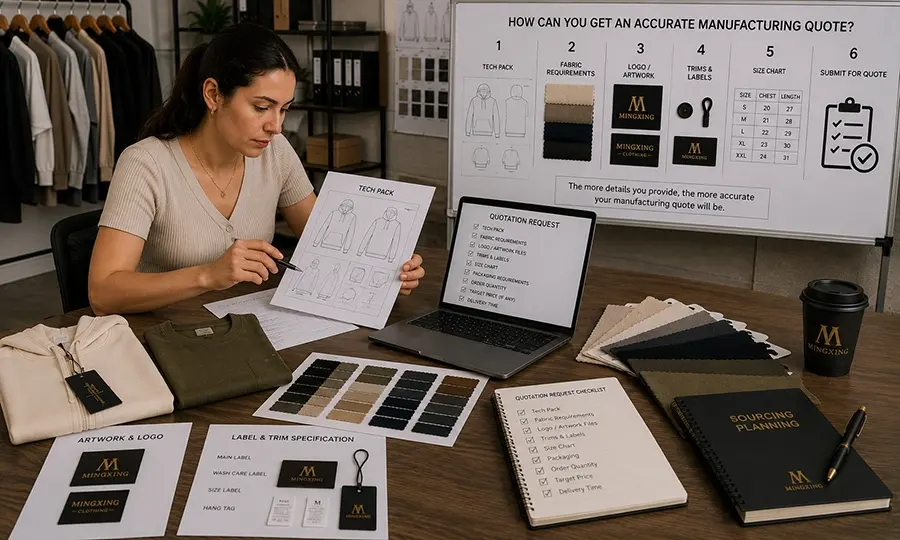
How Can You Get an Accurate Manufacturing Quote?
The most accurate quotations are based on complete product specifications.
Before requesting pricing, brands should prepare:
- Product designs
- Fabric requirements
- Logo files
- Size charts
- Quantity estimates
- Packaging details
The more information provided, the more accurate the quotation will be.
Many factories cannot provide reliable pricing until these details are confirmed.
Ready to Estimate Your Clothing Manufacturing Costs?
Clothing manufacturing costs are influenced by many factors, and there is no universal price for a custom garment.
The best way to receive accurate pricing is to provide complete product specifications and production requirements.
If you’re planning a custom apparel project and would like a detailed quotation based on your specific requirements, Contact Mingxing Clothing.
FAQs
What is the biggest factor affecting clothing manufacturing costs?
Fabric selection is usually one of the largest cost factors because it directly affects material expenses and product positioning.
How much should I budget for my first clothing order?
Budgets vary significantly depending on the product, quantity, and customisation requirements. Most brands should evaluate costs based on their specific product specifications rather than fixed estimates.
Why did one factory quote twice as much as another?
Differences in materials, quality standards, production methods, and service levels can create significant pricing variations between manufacturers.
Why are clothing samples more expensive than bulk production?
Sample development includes setup work, sourcing, technical preparation, and pattern development costs that are not spread across multiple units.
Is manufacturing clothing in China still cost-effective?
For many apparel brands, China’s supply chain, manufacturing ecosystem, and production scalability continue to make it a cost-effective sourcing option.
Share With
Related Articles
Hot Products