Finding a clothing manufacturer is only the first step.
The bigger challenge is determining whether a supplier is actually the right fit for your brand. A factory may offer attractive pricing, but pricing alone does not guarantee reliable production, consistent quality, or a successful long-term partnership.
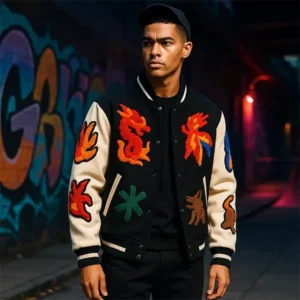
Using a structured evaluation process can help apparel brands make better sourcing decisions and avoid costly mistakes. Working with an experienced custom clothing manufacturer becomes much easier when you know what factors truly matter during supplier evaluation.
The 5 Areas Every Brand Should Evaluate
Before selecting a clothing manufacturer, focus on five key areas:
- Product Capability
- Quality Control
- Communication & Support
- MOQ & Pricing
- Long-Term Partnership Potential
Many buyers spend too much time comparing quotations and too little time evaluating these factors.
Manufacturer Evaluation Framework
A strong supplier should perform well across most of these areas, not just one.
Product Capability: Can They Make Your Product Successfully?
The first question is not whether a factory is reliable.
The first question is whether they can actually make your product.
Evaluate:
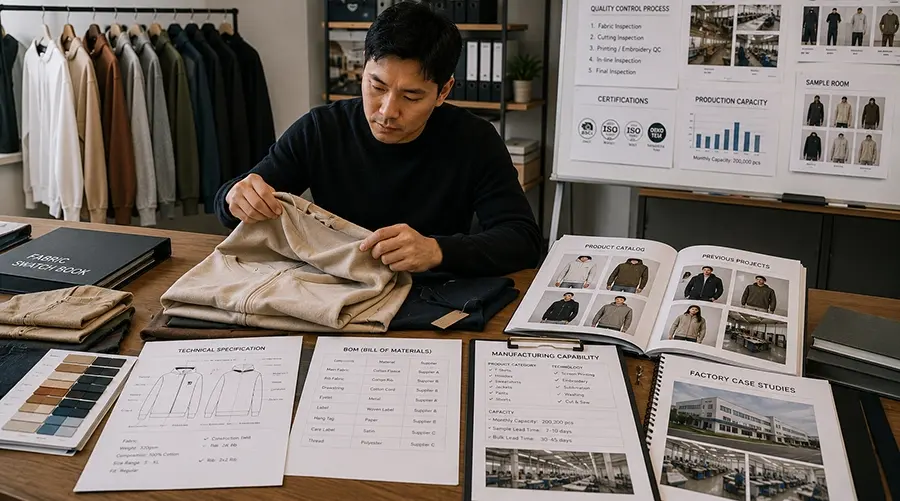
- Similar products previously produced
- Relevant fabric experience
- Printing and embroidery capabilities
- Product construction expertise
- Sample development ability
- Sample quality
A supplier may be excellent at manufacturing hoodies but have little experience producing activewear, dresses, or technical garments.
Quality Control: Can They Deliver Consistent Quality?
Many factories can produce a good sample.
Far fewer factories can maintain the same quality throughout bulk production.
Important questions include:
- Is there a documented QC process?
- Are inspections performed during production?
- Is final inspection conducted before shipment?
- Are quality standards communicated clearly?
- How are defects handled?
Factories that openly discuss quality procedures are often easier to trust than those that simply promise “good quality.”
Communication & Support: How Easy Are They to Work With?
Many production problems begin with communication problems.
Pay attention to:
- Response speed
- Clarity of answers
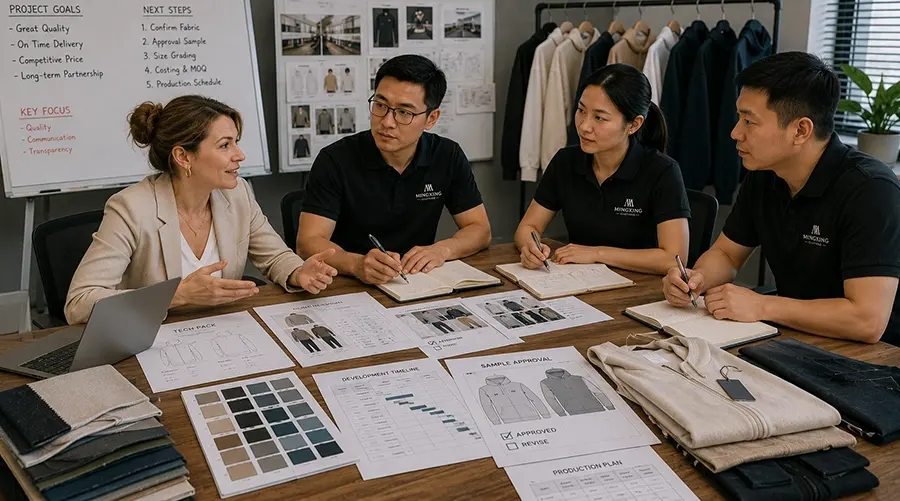
- Technical knowledge
- Problem-solving ability
- Willingness to explain processes
Good communication does not guarantee good production, but poor communication often creates expensive mistakes.
MOQ & Pricing: Does the Supplier Fit Your Business Model?
The lowest price is not always the best value.
Evaluate:
- MOQ requirements
- Pricing transparency
- Sample costs
- Payment terms
- Production flexibility
Different custom clothing categories often have different MOQ and pricing structures. The goal is to find a supplier whose requirements match your business stage and sales strategy.
Long-Term Partnership Potential
Most brands focus only on their first order.
Professional buyers think beyond the first order.
Consider:
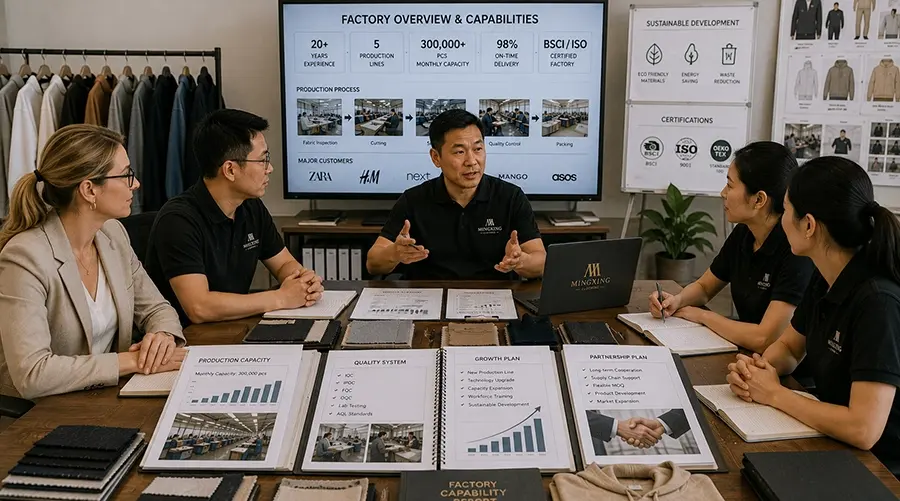
- Production capacity
- Export experience
- Ability to support new product development
- Stability of the communication team
- Experience working with growing brands
Changing manufacturers repeatedly often creates additional costs and production risks.
Manufacturer Evaluation Checklist
Before moving forward with a supplier, see how many of these questions can be answered positively.
Product Capability
✓ Has the factory produced similar products before?
✓ Is sample quality acceptable?
✓ Do they understand your fabric and construction requirements?
Quality Control
✓ Is there a clear QC process?
✓ Are inspections performed during production?
✓ Is final inspection conducted before shipment?
Communication & Support
✓ Are responses clear and consistent?
✓ Can technical questions be answered effectively?
✓ Are potential problems identified early?
MOQ & Pricing
✓ Are MOQ requirements realistic?
✓ Is pricing transparent?
✓ Are payment terms clearly explained?
Long-Term Partnership
✓ Can the supplier support future growth?
✓ Do they have export experience?
✓ Can they support future product development?
Should You Move Forward with This Manufacturer?
Use this simple decision framework.
Move Forward
- Most checklist items are positive
- Sample quality meets expectations
- Communication is clear and consistent
Verify Further
- Some questions remain unanswered
- Product experience is limited
- QC procedures need clarification
Keep Searching
- Poor sample quality
- Multiple red flags
- Unclear production capabilities
- Inconsistent communication
The goal is not to find a perfect factory.
The goal is to find the right factory for your brand.
Ready to Evaluate Manufacturers More Effectively?
A structured evaluation process often leads to better sourcing decisions and fewer production problems.
If you’re currently comparing suppliers and planning your next production project, Contact Mingxing Clothing to discuss your manufacturing requirements and sourcing goals.
FAQs