Finding a clothing manufacturer is one of the first challenges every clothing brand faces.
Many startups know what products they want to sell but have no idea where to find reliable suppliers. Before contacting factories, it helps to understand how the manufacturing process works and what type of supplier best fits your business goals.
If you’re new to sourcing, our guide on How Custom Clothing Manufacturing Works can help you understand the overall production process before starting your manufacturer search.
Start by Defining Your Product Requirements
Before searching for manufacturers, clearly define what you want to produce.
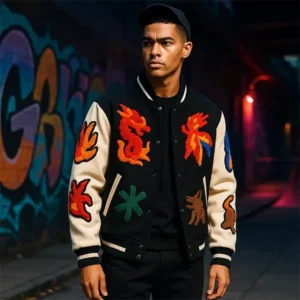
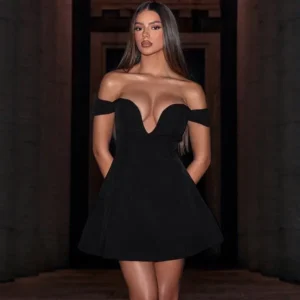
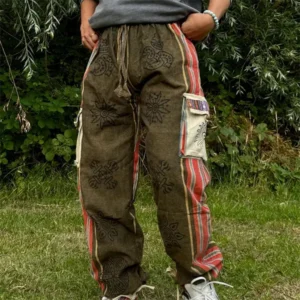
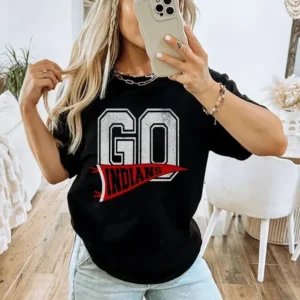
Factories often specialise in different product categories. Some focus on T-shirts, while others focus on sportswear, dresses, jackets, or streetwear products.
Prepare These Details
- Product category
- Target market
- Estimated order quantity
- Fabric requirements
- Logo methods
- Size range
- Target price range
- Expected timeline
Having this information prepared makes supplier conversations much more productive.
If you’re still exploring product options, reviewing different custom clothing categories can help narrow your search.
Use Google to Find Clothing Manufacturers
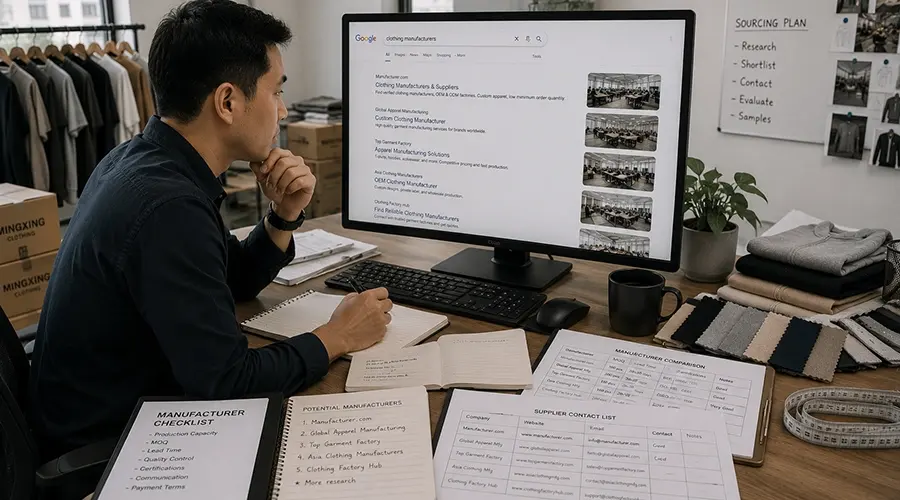
Google remains one of the most effective ways to find clothing manufacturers.
Many factories invest heavily in their websites and publish information about their products, production capabilities, and export experience.
Useful Search Terms
- Clothing manufacturer
- Apparel manufacturer
- Custom clothing manufacturer
- Private label clothing manufacturer
- OEM clothing manufacturer
- Clothing manufacturer in China
Review multiple suppliers instead of focusing on the first result you find.
Pay attention to product specialisation, MOQ requirements, production capabilities, and communication quality.
Explore Industry Trade Shows
Trade shows allow buyers to meet suppliers face-to-face.
This makes it easier to evaluate professionalism, communication quality, and product expertise.
Popular apparel sourcing events include:
- Canton Fair
- Global Sources Fashion
- Magic Las Vegas
- Apparel Textile Sourcing Shows
Trade shows are particularly useful for brands planning larger production programs.
Use Referrals and Industry Networks
Many successful clothing brands find suppliers through referrals.
Recommendations from trusted industry contacts can shorten the sourcing process and reduce supplier risks.
Useful referral sources include:
- Existing brand owners
- Fashion consultants
- Sourcing agents
- Business partners
- Industry communities
Even when using referrals, samples and supplier verification are still important.
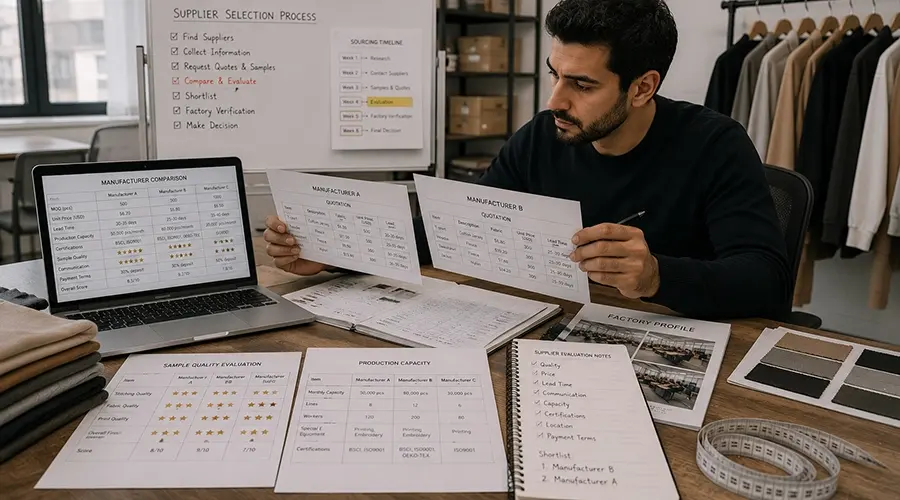
Evaluate Multiple Manufacturers
One of the biggest sourcing mistakes is choosing the first factory you find.
Comparing multiple manufacturers helps you understand differences in pricing, communication, quality standards, and production capabilities.
Recommended Number of Manufacturers
- Startup Brands: 3 manufacturers
- Growing Brands: 3–5 manufacturers
- Established Brands: Around 5 manufacturers
Many buyers compare several factories before moving into the verification stage.
For a more in-depth evaluation process, see “How to Verify a Clothing Manufacturer.”
Review Samples Before Making a Decision
A sample often reveals more than a quotation.
Before selecting a manufacturer, evaluate:
- Fabric quality
- Stitching quality
- Measurements
- Printing quality
- Embroidery quality
- Packaging quality
- Communication speed
Sample evaluation helps determine whether a factory can consistently meet your expectations.
Before approving a supplier, make sure you understand what to Check When Reviewing a Clothing Sample.
Verify the Manufacturer’s Experience
Not every factory is suitable for every product category.
A manufacturer with experience producing products similar to yours can often reduce development risks and production mistakes.
Check These Areas
- Product specialization
- Production capacity
- Export experience
- Quality control process
- Previous client portfolio
- Factory certifications
Experience is often more valuable than simply choosing the lowest quotation.
Manufacturer Evaluation Framework
Ready to Find the Right Clothing Manufacturer?
Finding a clothing manufacturer is not about locating the cheapest supplier.
It is about finding a partner that can support your quality standards, production goals, and long-term growth.
You can also review Mingxing Clothing factory capabilities to better understand our production experience, quality control process, and custom apparel manufacturing support.
Contact Us
FAQs