Many brands spend weeks comparing prices but overlook factors like communication, quality control, and production experience. As a result, the cheapest factory often becomes the most expensive mistake.
At Mingxing Clothing, we’ve seen buyers succeed when they follow a structured sourcing process instead of chasing the lowest quote. Here’s the framework many experienced apparel buyers use when evaluating factories.
Why Most Brands Choose the Wrong Manufacturer
The biggest mistake is assuming price is the most important factor.
From a factory perspective, production problems rarely happen because a buyer paid too much. They usually happen because the factory lacked experience, communication was poor, or quality expectations were never clearly defined.
Many startup brands contact 15–20 factories in hopes of finding the perfect supplier. In reality, comparing too many factories often creates confusion rather than better decisions.
Most professional sourcing managers narrow their list to three to five manufacturers and compare them using the same criteria.
Define Your Requirements Before Contacting Factories
Before requesting quotations, make sure you know exactly what you’re looking for.
Prepare These Items First
- Product category
- Target retail market
- Expected MOQ
- Budget range
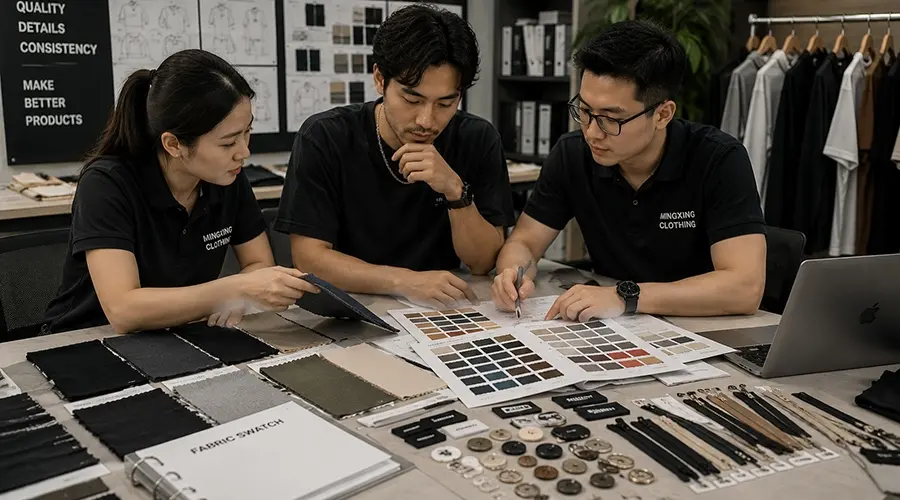
- Fabric preferences
- Logo requirements
- Size chart
- Timeline
Factories can only provide accurate feedback when they clearly understand your project. Brands that approach suppliers with complete information usually receive faster quotations and more useful recommendations.
Build a Shortlist of Manufacturers
Don’t contact one factory.
Don’t contact twenty.
Contact three to five.
Recommended Number of Factories
Buyer Type Factories to Compare
Startup Brand 3
Growing Brand 3–5
Established Brand 5
Look for manufacturers with experience producing products similar to yours.
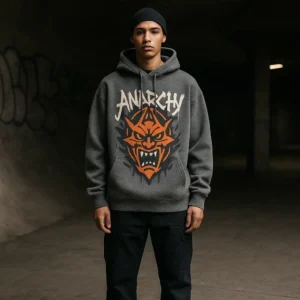
For example, a factory specialising in custom hoodie manufacturing may not be the best choice for fashion dresses. Product experience matters more than company size.
The goal at this stage is not to choose a supplier immediately but to identify several strong candidates for deeper evaluation.
Price should be part of the decision, not the entire decision.
From our experience, communication and quality control create more production issues than pricing ever does. A slightly higher quotation from the right factory often produces better long-term results.
Why Samples Matter More Than Quotations
A quotation tells you what a factory says.
A sample shows you what a factory can actually do.
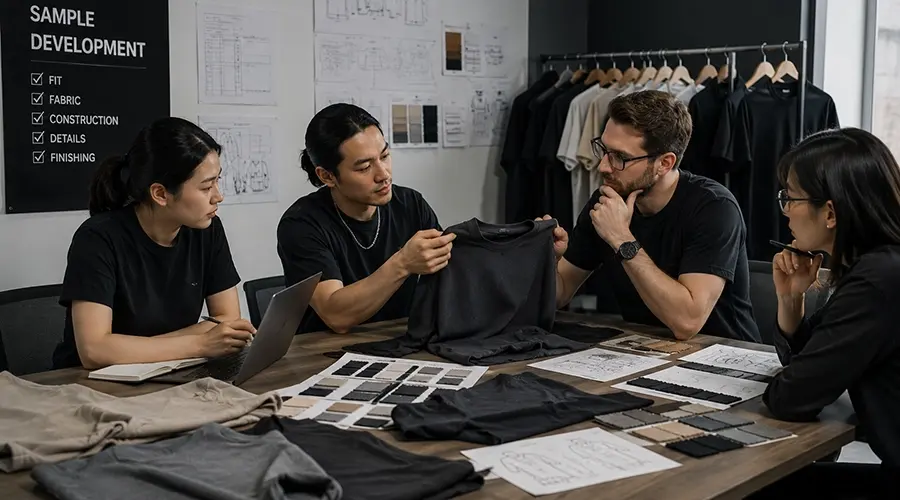
During Sampling, Evaluate
- Fabric quality
- Stitching quality
- Measurements
- Logo execution
- Packaging details
- Revision speed
- Communication quality
Many buyers discover more about a supplier during the sampling process than during weeks of email communication.
From a factory perspective, the sample stage is where most misunderstandings are identified and corrected before bulk production begins.
Final Checklist Before Choosing a Manufacturer
Before placing an order, make sure you can answer “yes” to all of the following:
- The factory has experience with similar products
- MOQ fits your business model
- Sample quality meets expectations
- Communication is clear and professional
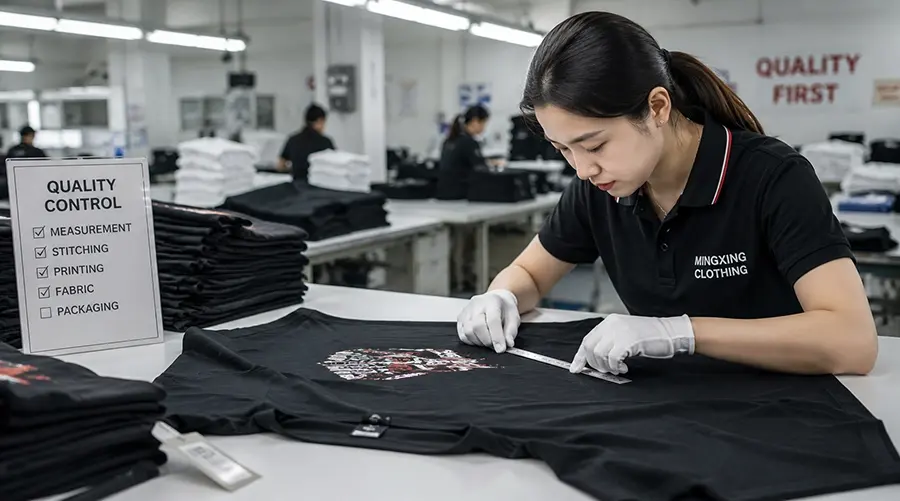
- Quality control procedures are explained
- Pricing is transparent
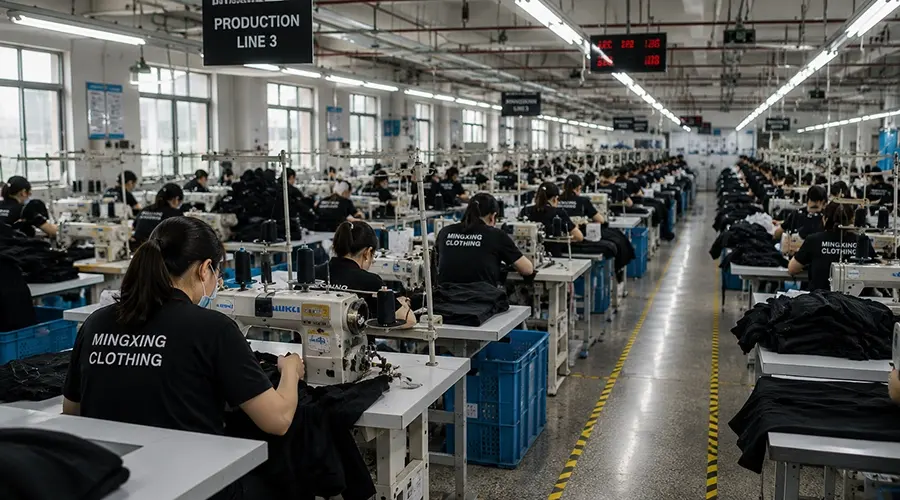
- Production capacity supports future growth
The best clothing manufacturer is not always the cheapest option. The best partner is the one that consistently delivers quality products, communicates effectively, and supports your brand’s long-term growth.
If you’re currently evaluating suppliers for hoodies, T-shirts, jackets, tracksuits, or other apparel products, Contact Mingxing Clothing to discuss your project requirements and manufacturing goals.
FAQs